New Zealand Coalition Urges Action Against Rising Antisemitism Ahead of Election
Jewish and non-Jewish organizations in New Zealand have issued an urgent appeal against rising antisemitism ahead of a tense general election, as political divisions sharpen over Middle East foreign policy.
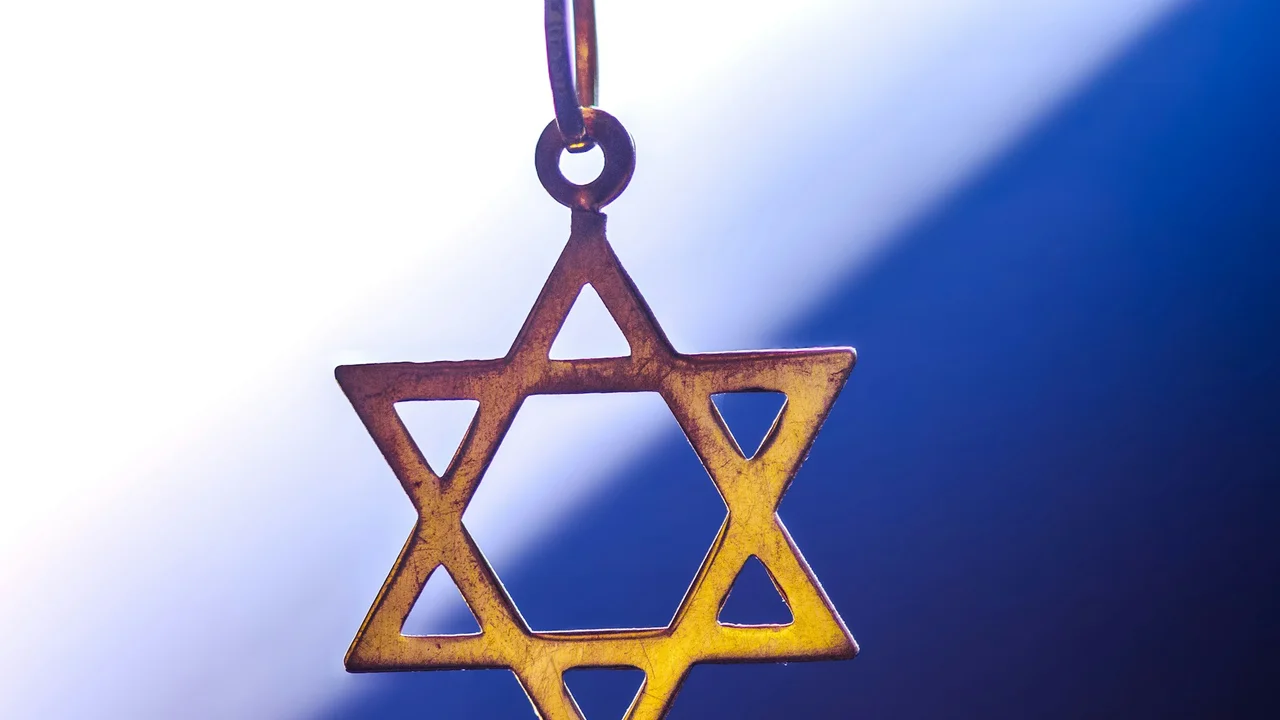
A broad coalition of Jewish and non-Jewish organizations representing tens of thousands of New Zealand citizens has issued an urgent public call for united action against a rising tide of antisemitism across the country. The joint appeal follows months of escalating online threats, harassment, and violence directed at the nation's small Jewish community, sparking deep concern over public safety, social cohesion, and the boundaries of political discourse as the country prepares for a general election.
Escalating Online Harassment and Threats
The interfaith appeal comes in the wake of alarming details revealed by the New Zealand Jewish Council regarding a shift from legitimate political disagreement to targeted violent harassment. Council spokesperson Ben Kepes disclosed that community leaders and prominent Jewish public figures have faced severe personal attacks, doxxing, and explicit threats of violence. Specific incidents documented by the council include social media posts calling for a community leader to be run over by a vehicle, alongside extreme comments praising the Holocaust and the October 7 terrorist attacks.
Human rights officials and security chiefs in Wellington have strongly condemned the surge in hostility. Race Relations Commissioner Dr. Melissa Derby confirmed that community members shared harrowing accounts of escalating intimidation, noting that antisemitic hate speech was recently sprayed near the New Zealand Holocaust Centre in Wellington. This assessment aligns with official briefings delivered by Andrew Hampton, Director-General of the New Zealand Security Intelligence Service (NZSIS), to the parliamentary intelligence committee regarding a domestic rise in both antisemitism and Islamophobia linked to the Middle East conflict.
Political Divisions and Foreign Policy
The security concerns of the Jewish community coincide with preparations for a tense general election. While economic issues and the cost of living dominate the campaign, foreign policy has emerged as a central fault line between the incumbent coalition—comprising the National Party, ACT, and New Zealand First—and the opposition Labour Party.
The opposition Labour Party has pledged sweeping foreign policy shifts, including official recognition of a Palestinian state, economic sanctions against Israel, and joining South Africa's genocide case at the International Court of Justice (ICJ) in The Hague. In contrast, Prime Minister Christopher Luxon's center-right coalition maintains a cautious stance, with Foreign Minister Winston Peters stating that New Zealand will not unilaterally recognize a Palestinian state outside a negotiated framework.
As voters head to the polls, civil society groups and interfaith leaders are urging public figures across the political spectrum to draw a clear line between legitimate protest and targeted harassment, emphasizing that the safety of minorities remains a fundamental test for New Zealand society.