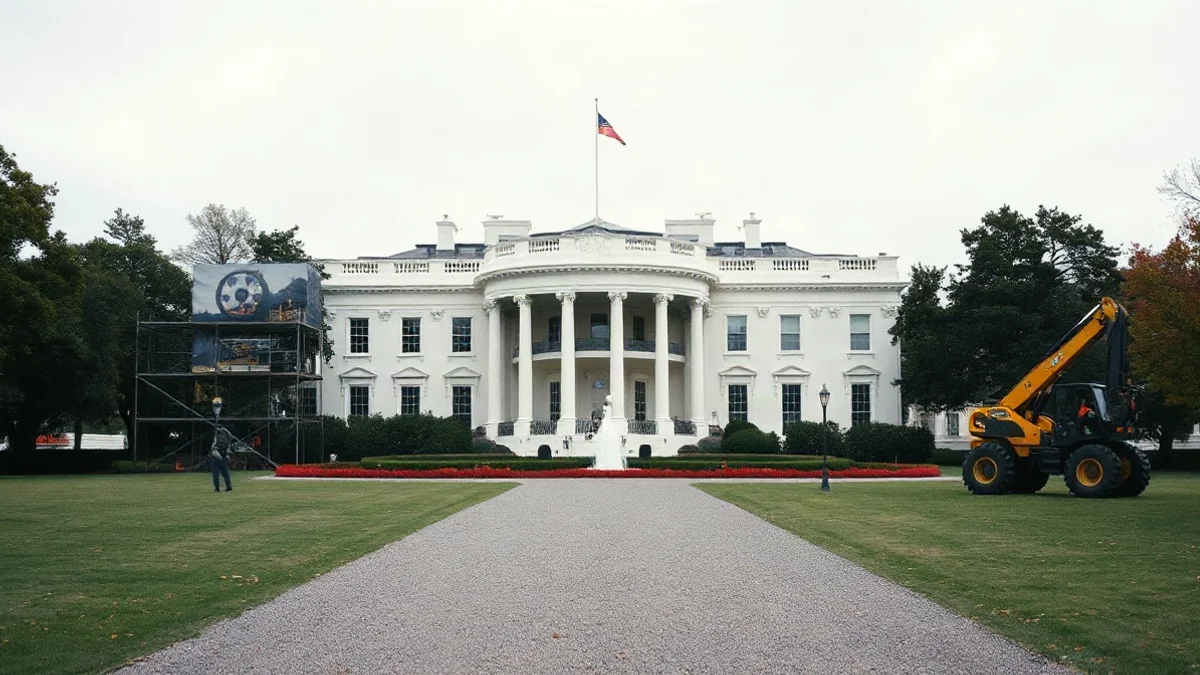
US Senators Move to Block Nuclear Agreement Between Washington and Riyadh
US Democratic senators have moved to block a nuclear cooperation agreement with Saudi Arabia, warning it lacks critical non-proliferation safeguards and could spark a regional arms race.
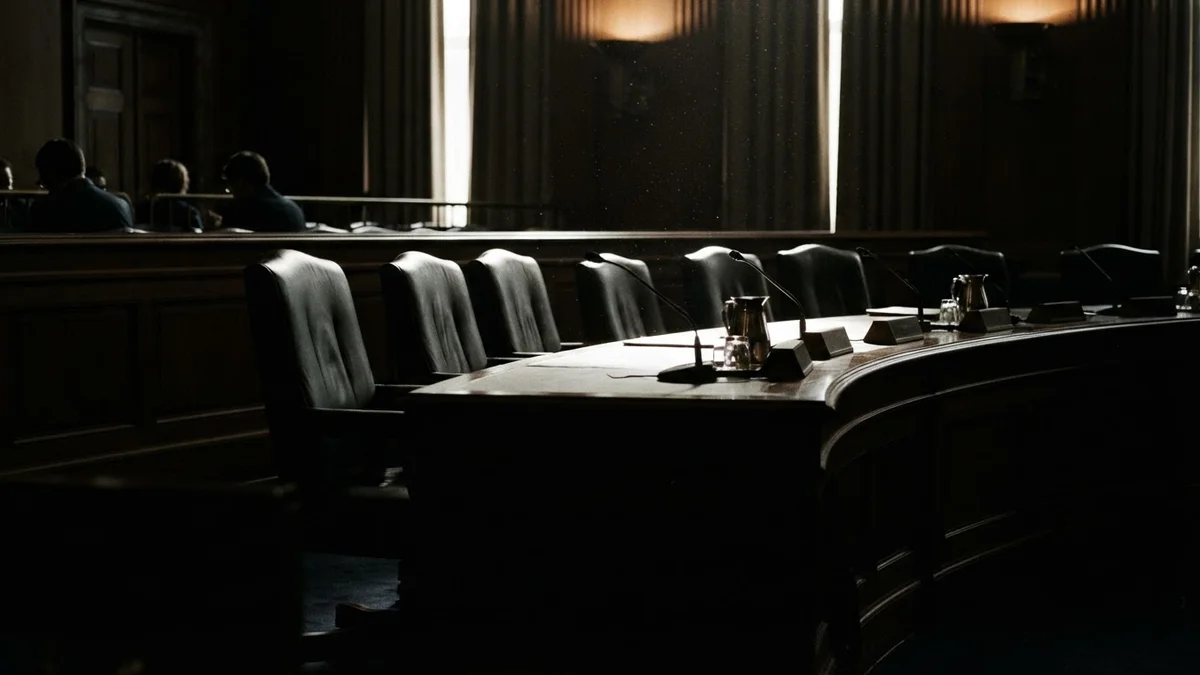
Two Democratic senators moved to block a nuclear cooperation agreement between the United States and Saudi Arabia, citing risks of a regional arms race. According to The New York Times, Senators Jeff Merkley of Oregon and Edward Markey of Massachusetts argue that the administration bypassed long-standing safeguards and congressional oversight.
The resolution introduced by the lawmakers aims to force a debate and vote when Congress reconvenes next month. However, the measure faces long odds in both congressional chambers controlled by Republicans, despite some bipartisan reservations regarding the deal.
Administration Rationale and Criticisms
The administration submitted the agreement to Congress on September 14, describing it as a vital step to deepen economic and security ties. Riyadh stated the deal supports its efforts to diversify energy sources. Conversely, critics emphasize the agreement lacks critical restrictions on uranium enrichment and spent fuel reprocessing.
"The US-Saudi nuclear deal is about megatons, not megawatts," Senator Markey stated, warning of a potential arms race in the Middle East.
Congressional Pushback and Regional Context
Senators argue the administration ignored the gold standard established in previous agreements, such as the 2009 pact with the United Arab Emirates. Republicans have also voiced unease, with Senator John Kennedy questioning the consistency of countering nuclear ambitions in Iran while engaging in similar deals elsewhere.
Democrats further accuse the administration of timing the submission to limit congressional review under the Atomic Energy Act.