Israeli Defense Officials Warn of Growing Risks to US Strategic Alliance
Israeli defense officials warn that upcoming elections in Israel and the US could trigger unprecedented restrictions on military aid and weapon supplies, threatening strategic ties.
The Israeli defense establishment and the IDF are increasingly concerned that upcoming elections in Israel and the United States could accelerate a strategic crisis in bilateral relations. Senior officials warn that a Democratic majority in Congress, combined with the formation of another far-right government in Israel, could trigger restrictions on US arms supplies to the IDF amid the ongoing war in Gaza and settler violence in the West Bank.
Mounting Congressional Scrutiny
A defense official familiar with bilateral relations warned that such a scenario would accelerate unprecedented sanctions and disrupt decades of close alliance. Procuring vital offensive weapons like Apache helicopters would no longer involve a mere budgetary dispute with the Finance Ministry, but a bruising legislative battle in Congress. Public support in the US has eroded significantly amid growing frustration over unchecked settler violence and the humanitarian toll in Gaza. The US administration is reportedly weighing individual sanctions against officers and restrictions on the use of American weaponry by specific IDF and police units.
Shifting Military Aid Frameworks
Discussions held last summer between a team led by Defense Ministry Director General Amir Baram and American officials, including US Ambassador Mike Huckabee and State Department adviser Daniel Holer, aimed to shape a new military aid framework. The current ten-year agreement, signed during the Obama administration, provides Israel with $3.8 billion annually and expires in September 2028. The emerging framework may feature a reduced financial component while focusing on joint defense industrial research and development.
Industrial Ties Amid Strategic Tensions
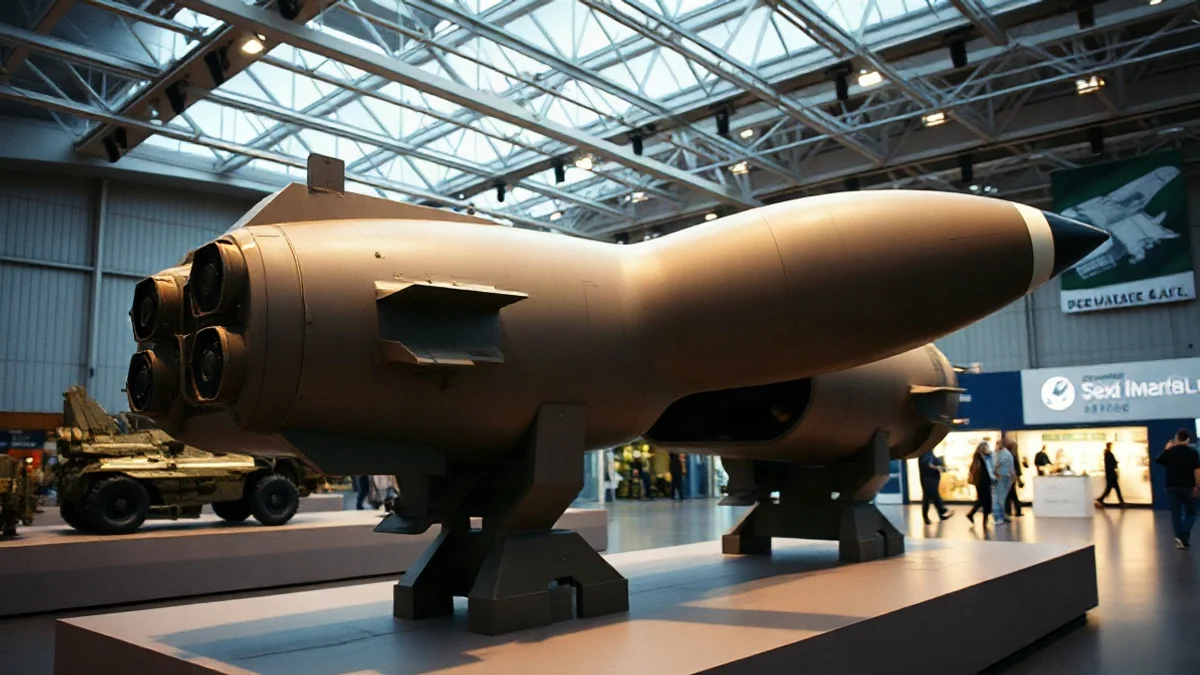
Despite diplomatic friction, military and industrial cooperation continues. Defense Ministry and IDF representatives recently attended the AUSA exhibition in Washington, highlighting advanced systems such as the Iron Dome interceptors produced jointly by Rafael and Raytheon. While defense exports and joint ventures with the US offer a cushion, officials caution that no amount of local manufacturing can replace the core combat platforms supplied by Washington.