Ukraine Targets Russian Economy with Drone Strikes on Refineries and Ports
Ukraine has intensified long-range drone strikes targeting Russia's energy, agriculture, e-commerce, banking, and aviation sectors, causing billions in damages and a 24% drop in oil refining capacity.
Ukraine has shifted its focus in recent months toward systematically targeting the Russian economy, utilizing long-range drone strikes to disrupt key industries, according to a comprehensive report by The Wall Street Journal. While the front lines in eastern Ukraine remain locked in a grueling war of attrition after four and a half years, Kyiv is opening a secondary economic front. The strategy aims to inflict severe financial damage on Russia's energy, agriculture, e-commerce, banking, and aviation sectors, bringing the cost of the war directly to the Russian public to pressure the Kremlin into concessions.
Energy and Agriculture Under Fire
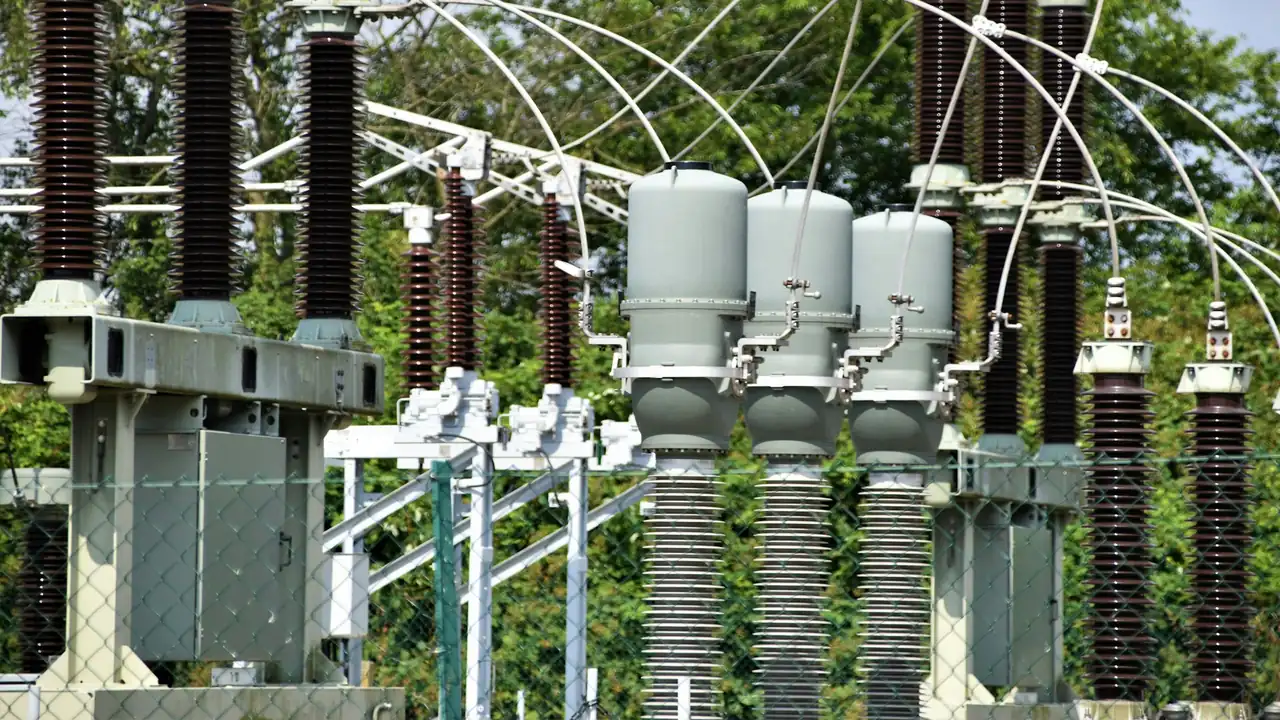
Ukrainian drone strikes on Russian oil refineries have triggered domestic fuel shortages and forced rationing measures over the summer. In August, Russia's refining capacity fell to 3.8 million barrels per day, representing a 24% decline compared to August of the previous year. Official Russian government data indicates that domestic fuel prices have surged by 19% since the beginning of the year. In response to the shortages, a new mobile application has gained widespread popularity among Russian drivers to help locate gas stations with available fuel.
Simultaneously, Ukraine has severely disrupted Russia's primary agricultural export routes. Since July, a series of targeted strikes on export terminals and cargo vessels in the Black Sea and the Sea of Azov has effectively paralyzed Russian wheat and barley exports. Russian wheat exports plummeted by over 50% in August compared to the same month last year, reaching their lowest levels since 2010. This disruption has created an oversupply in the domestic market, driving down prices for Russian farmers and threatening their livelihoods.
E-Commerce and Banking Vulnerabilities
Kyiv has also targeted Russia's digital economy, launching more than 30 strikes since July against logistics centers operated by Wildberries and Ozon, the country's two largest e-commerce platforms. These attacks have ignited massive fires at major warehouse complexes. The Wall Street Journal estimates that the strikes have caused over $10 billion in damage to infrastructure and goods, with projected sales losses of at least $12 billion over the coming year. Wildberries, often referred to as "Russia's Amazon," typically generates an annual turnover of €70 billion to €75 billion, accounting for approximately 2% of Russia's total GDP. The strikes aim to disrupt military supply chains and drain Moscow's economic resources.
These disruptions have raised concerns within the Russian banking sector, particularly for state-owned VTB Bank, which provides substantial credit to Wildberries and its suppliers. Analysts estimate that Wildberries owes VTB between $6 billion and $7 billion. Fears of potential defaults have contributed to a 25% drop in VTB's stock price since the beginning of the year. Furthermore, Russian citizens are increasingly holding their money in cash, a trend that could destabilize the banking system if it persists. Additionally, internet shutdowns implemented by Russian authorities to jam incoming Ukrainian drones have repeatedly disrupted online payment systems.
Aviation Gridlock
Ukrainian President Volodymyr Zelensky warned last week that Russian airspace is effectively being closed due to ongoing drone activity. Russian airports are routinely shut down for hours when drones are detected nearby, causing widespread flight delays and cancellations. According to data from aviation security firm Osprey Flight Solutions, Russia recorded 993 airport shutdowns in August alone—a nearly fivefold increase within a six-month period.