UK PM Andy Burnham Open to Slavery Apology but Rules Out Reparations
British Prime Minister Andy Burnham expressed openness to a formal apology for the UK's role in the slave trade while rejecting financial reparations. The announcement precedes the upcoming Commonwealth summit as London seeks to strengthen global alliances.
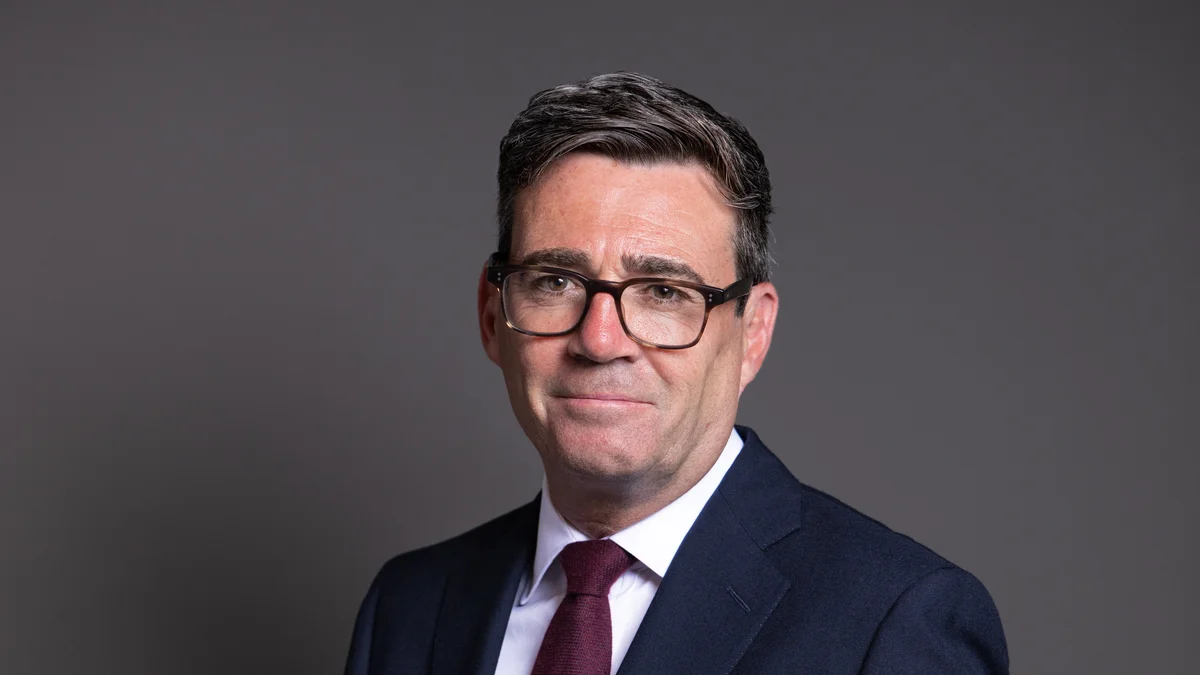
British Prime Minister Andy Burnham has stated that he is open to the possibility of the United Kingdom issuing a formal apology for its role in the transatlantic slave trade, while firmly ruling out any financial reparations. Speaking to the PA news agency and the BBC, Burnham indicated a willingness to engage in dialogue with those affected and listen to calls for an apology, though he emphasized that monetary compensation is not the correct approach.
The statement comes ahead of the Commonwealth Heads of Government Meeting scheduled for next week in the Caribbean. Bell Ribeiro-Addy, chair of the All-Party Parliamentary Group for African Reparations, welcomed the remarks, telling the BBC Radio 4 Today programme that the issue is not solely about money. Meanwhile, King Charles III is currently touring the region, having addressed past suffering during a visit to the Bahamas and subsequently touring a site in Guyana associated with a historic slave revolt.
Writing in The Guardian, Burnham described the slave trade as a brutal and barbaric violation, asserting that Britain must confront its past. However, he explained his opposition to financial payouts by stating that modern British citizens cannot be held responsible for historical injustices committed in another era under different laws. A senior government source noted that an apology is considered the morally correct course of action, while Barbados Prime Minister Mia Mottley welcomed the dialogue.
London regards strengthening the Commonwealth as a key strategic interest, particularly amid efforts by China and Russia to expand their global influence. Just this week, Russian President Vladimir Putin hosted a summit in Moscow aimed at bolstering ties with African nations. From the 16th century, British authorities played a major role in the slave trade before passing the Slavery Abolition Act in 1833, though plantation owners were compensated at the time, with the national debt incurred for those payments only fully paid off in 2015.