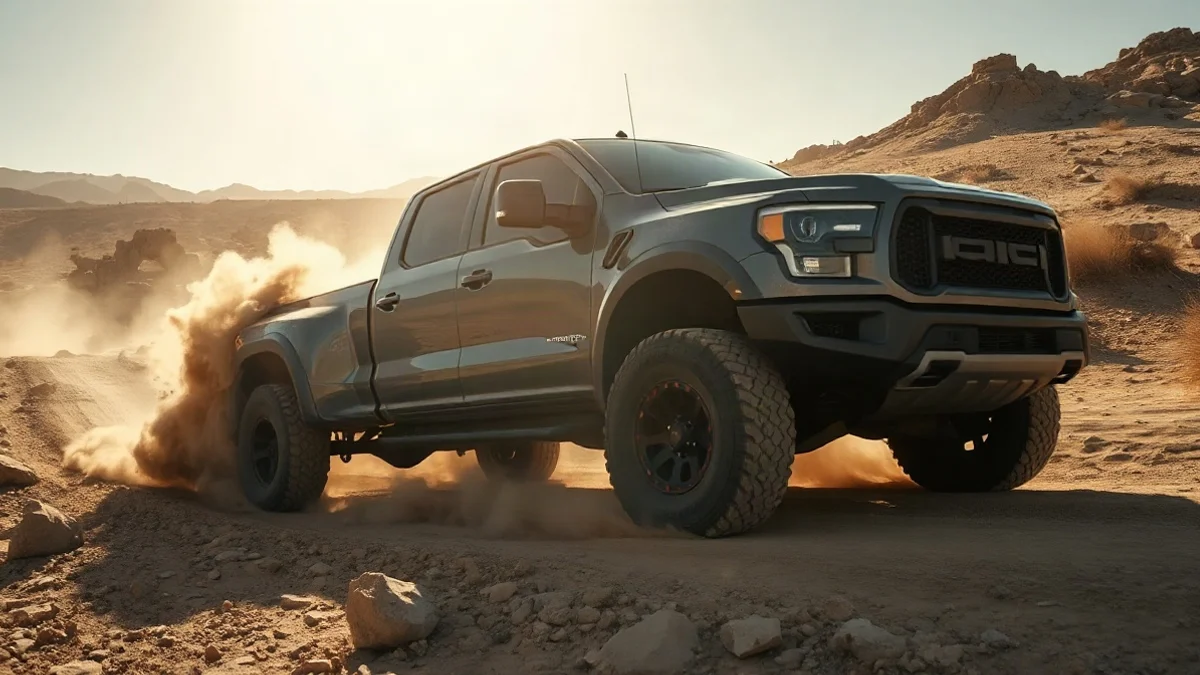
Tesla Unveils New Electric Roadster Featuring SpaceX Thrusters and 2028 Launch
Tesla unveiled its long-awaited new Roadster, featuring SpaceX-developed thrusters, sub-one-second 0-60 mph acceleration, and a 2028 production target date.
Tesla has unveiled the new generation of its electric sports car, the Roadster, nearly nine years after first showing its prototype. Developed in collaboration with Elon Musk’s SpaceX, the new vehicle is equipped with a thruster system enabling unusual maneuvers, including airborne rotation and landing. The company announced that production is expected to begin in 2028.
Performance and Engineering Features
During the unveiling event at a SpaceX test site in McGregor, Texas, Musk stated that the Roadster can accelerate from zero to 60 miles per hour (96 km/h) in less than one second, with a top speed exceeding 230 mph (370 km/h). The two-seater was demonstrated driving upside down on a ramp using a suction system, as well as performing an airborne turn assisted by built-in thrusters. It remains unclear whether using these systems will be permitted on public roads.
Pricing and Reservations
Tesla did not announce a final price tag during the event, though the original 2017 prototype concept targeted a starting price of 200,000 dollars. Updated pre-order options on Tesla’s website include three tiers:
-
Performance: requires a 50,000 dollar deposit.
-
Thrust: equipped with acceleration thrusters, requiring a 250,000 dollar deposit.
-
Rocket: described as a single-seater with a "full flight system," available by invitation only.
Production Timeline and Corporate Strategy
Originally promised in 2017 with a targeted release in 2020, the project faced repeated delays. Morningstar analyst Seth Goldstein estimates that Tesla will sell around 2,000 Roadsters annually, a fraction of the 1.6 million vehicles the company delivered last year. While not a financial growth driver, the Roadster serves as a halo car showcasing Tesla's engineering summit as the company increasingly pivots toward artificial intelligence, autonomous driving, and robotics.