Tel Aviv Developers Slash Owner Perks Amid Real Estate Stagnation and Rising Costs
Amid market stagnation and rising construction costs in Tel Aviv, developers and apartment owners are renegotiating urban renewal deals, cutting previously promised benefits to keep projects viable.
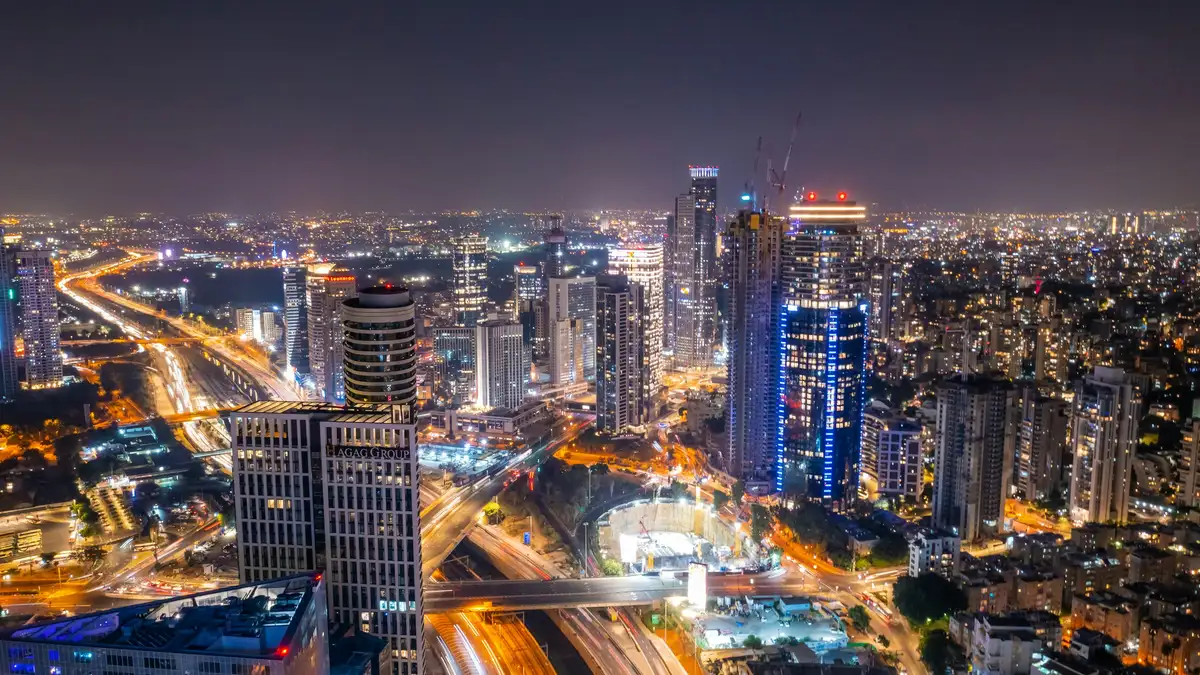
In an urban renewal project at 89 Shlomo HaMelech Street in Tel Aviv, apartment owners contributed about 250,000 shekels each to advance construction, says Tomer Reifman, CEO of Yez Yozmot, the company promoting the project. In another project, he notes, apartment owners agreed to waive rent payments for the construction period—a waiver valued at about 300,000 shekels per apartment throughout the construction period.
These two cases illustrate how the deal between the developer and apartment owners has changed: following the difficulty of selling apartments in Tel Aviv and the price stagnation, even those holding property in one of Israel's most expensive areas are required to forfeit part of the consideration promised to them in order to receive a new apartment.
Reifman does not present this as an exceptional case. "Anyone who doesn't understand that in order for a project to get off the ground, they need to change the agreement, won't have a project," he says in an interview with Globes. According to him, in central Tel Aviv, the financial scope of the waivers averages about half a million shekels per apartment, and in some projects even reaches one million shekels.
Yez, which focuses on urban renewal in Tel Aviv, is currently promoting dozens of urban renewal projects in the city. It became a public company in August 2025 and raised about 43 million shekels. Reifman founded the development activity within the family group, and in 2014 a separate company was established.
At the center of the problem Reifman describes are agreements signed three, four, and five years ago. Construction costs have risen, selling prices have dropped, and the considerations agreed upon with apartment owners burden the ability to finance the project. "I have returned and am returning to dozens of projects to fix the considerations in the agreements," he says. According to him, agreements have already been reached in more than ten projects.
Reifman describes several options for the waivers, depending on the building and the owners' ability: reducing rent, cutting back on added space, lowering specifications, changing floors, or giving up parking. His example for added space is moving from 20 square meters promised to 15 square meters. In the rental fees, a payment of 10,000 shekels a month over three years of construction totals 360,000 shekels per apartment.
Reifman estimates that regular apartment prices in the market where he operates dropped by 10% to 15% over the past three and a half years, emphasizing that the calculation also includes financing benefits. To his estimation, prices have already stabilized over the past year. The reduction of considerations allows aligning sale prices with the market, enabling the sale of regular apartments.
At the same time, another market exists: the penthouses. He tells of apartments he is selling for 15 to 25 million shekels and even more, with buyers purchasing for their own residence showing less price sensitivity. In the Kikar Hamedina area, he describes penthouse prices of about 70,000 to 75,000 shekels per square meter and more, and near the sea or park even 100,000 shekels per square meter and above.
While Reifman describes improving sales, financial results still show a loss. In the first half of 2026, Yez's revenues amounted to about 23.1 million shekels, and the net loss stood at about 12.3 million shekels. The market cap of the public company stands at about 142 million shekels, with the stock down by about 40% over the past 12 months.