Shin Bet Probe and Coalition Maneuvers Shape Israel's Government Talks
A Shin Bet corruption investigation intersects with Israel's coalition talks as Likud pushes for a unity government while rejecting cooperation with Arab parties.
A Shin Bet investigation into suspected foreign financing and electoral fraud is emerging as a critical factor in Israel's ongoing political stalemate over forming the next government. Following the recent election, the Likud party and Prime Minister Benjamin Netanyahu's bloc launched a concerted campaign against any political alignment involving Arab parties such as Ra'am and the Joint List. Proponents of the campaign argue that the unfolding corruption scandal provides additional momentum for their push to block minority government initiatives and reject parliamentary cooperation with Arab factions.
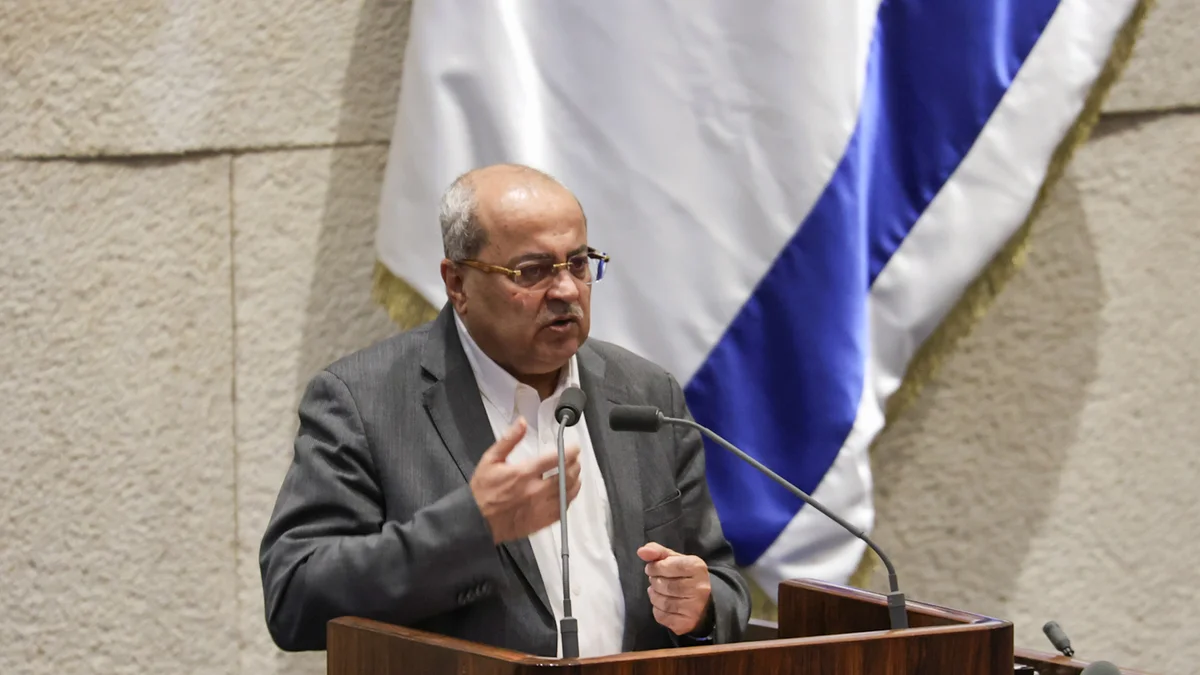
Ahead of consultations at the President's Residence next week, political insiders indicate that Likud is intensifying pressure to form a broad unity government. While Yair Golan, leader of the Democrats, continues efforts to foster cooperation with Arab parties, Likud has stepped up sharp rhetoric against such alliances. Addressing a crowd in Jerusalem, Netanyahu accused his political rivals of manipulating public perception regarding election results, claiming the right-wing bloc holds a decisive majority among the Zionist public and calling for a strong national government.
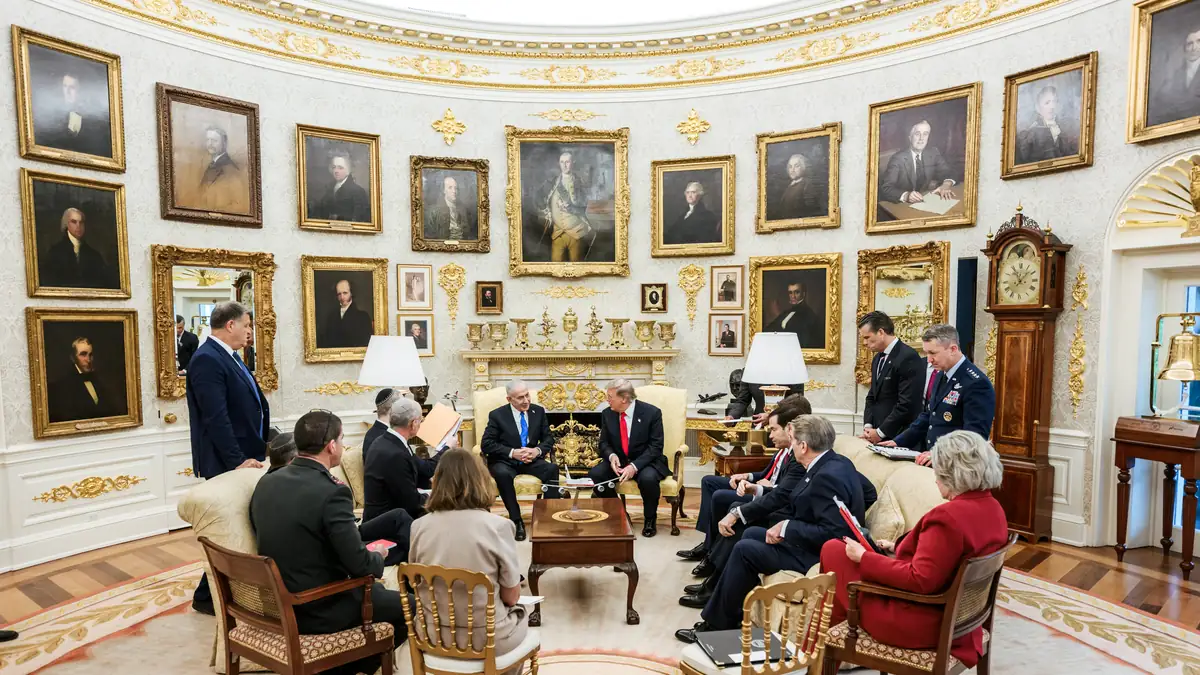
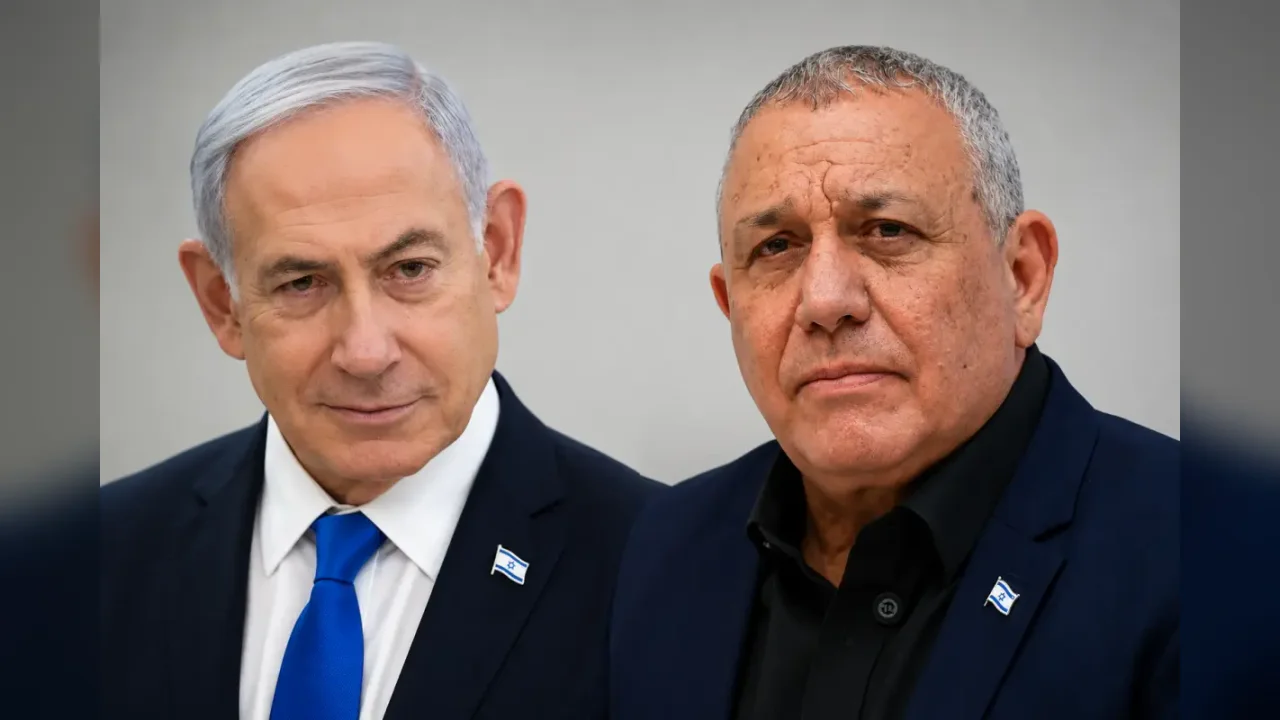
Simultaneously, associates of Netanyahu are promoting a strategic alternative centered on recruiting Gadi Eisenkot into a unity government, despite Eisenkot's previous pledge not to serve under Netanyahu. Likud strategists argue that the change bloc faces dwindling voter enthusiasm, noting that high voter turnout among Arab citizens and overseas Israelis is unlikely to be repeated in a snap election. Proponents suggest that Eisenkot may ultimately agree to join a coalition, with discussions reportedly ranging from offering him a two-year prime ministerial rotation following Netanyahu's completion of key diplomatic initiatives with US President Donald Trump, to securing a senior ministerial portfolio.
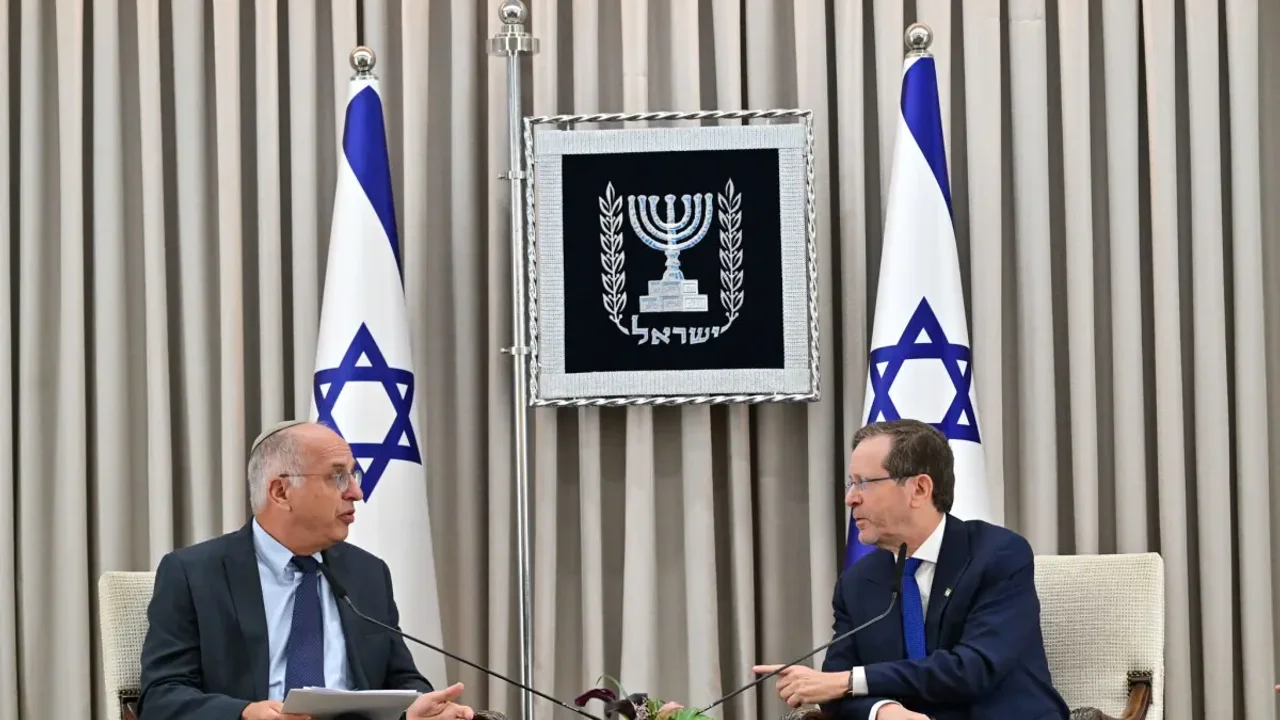
The proposed coalition framework would initially unite Netanyahu, Eisenkot, Itamar Ben Gvir, and Bezalel Smotrich, intentionally omitting ultra-Orthodox parties from the primary phase. Under this blueprint, the government would advance contentious conscription legislation before subsequently inviting Haredi factions into the coalition. Meanwhile, change bloc officials have dismissed the prospect of Eisenkot joining Netanyahu as political suicide. President Isaac Herzog is awaiting the official election results, scheduled to be submitted next Wednesday, before beginning formal consultations on government formation.