Rare Workout Syndrome: Woman Survives Severe Rhabdomyolysis After Intensive Training
A 34-year-old woman diagnosed with severe rhabdomyolysis after an intense workout warns fitness enthusiasts not to ignore extreme pain and swelling, which can cause kidney failure.
A 34-year-old fitness enthusiast narrowly escaped severe complications after mistaking symptoms of a rare and life-threatening medical condition for normal post-workout soreness. Madina Alam completed an intense workout session, initially assuming the severe pain in her arms was a natural result of physical exertion. However, as her arms began to swell to alarming proportions, she realized a serious medical issue was unfolding.
Four days later, Alam was admitted to a hospital emergency room, where physicians diagnosed her with rhabdomyolysis, a rare syndrome that previously caused the death of a New York City Marathon runner. Her harrowing experience highlights a hidden danger that many athletes and fitness enthusiasts remain entirely unaware of.
Understanding Rhabdomyolysis and Its Warning Signs
Medical experts explain that rhabdomyolysis occurs when damaged skeletal muscle tissue breaks down rapidly, releasing intracellular proteins and electrolytes such as myoglobin into the bloodstream. In Alam's case, blood tests revealed that her creatine kinase levels—a key biomarker for muscle damage—soared to 80,000 units per liter, representing roughly 400 times the normal physiological threshold.
Key symptoms requiring immediate medical attention include extreme swelling, intense pain completely disproportionate to the physical effort exerted, and a total inability to move the affected limbs. While dark urine is a frequent indicator of the condition, its absence does not rule out a clinical diagnosis.
Renal Risks and Emergency Treatment
The primary danger associated with rhabdomyolysis involves acute renal overload. Kidneys struggle to filter the massive influx of released muscle proteins, which can lead to rapid organ failure and acute kidney injury. Simultaneously, excessive potassium released into the bloodstream can disrupt the heart's electrical activity, triggering lethal arrhythmias or cardiac arrest.
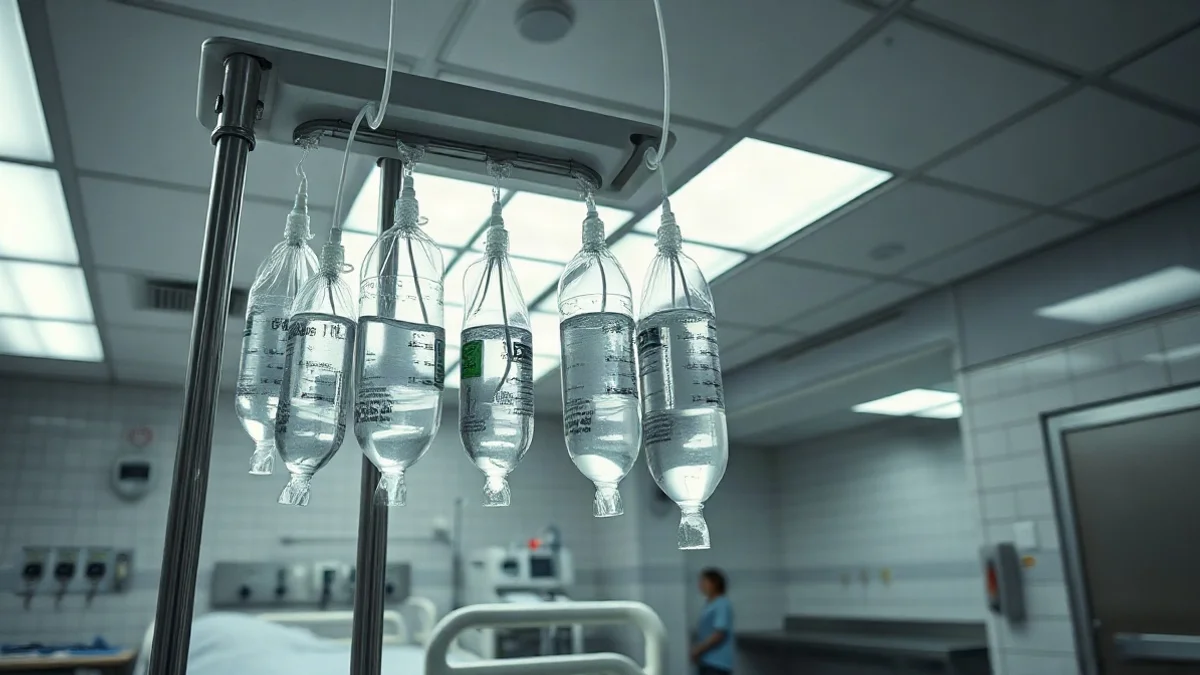
Hospital treatment primarily involves aggressive intravenous fluid administration and electrolyte balancing to help the kidneys flush out toxic cellular debris. Following a week-long hospitalization, Alam successfully recovered and urged athletes to heed early warning signs, emphasizing that extreme pain and abnormal swelling signal a medical emergency rather than athletic success.