Israel Land Authority Tender in Ramla Sells Land at 53% Discount
An Israel Land Authority tender in Ramla sold land for 102 housing units at a 53% discount after receiving only a single bid. Total land and development costs stand at 28.5 million shekels, raising questions about whether savings will reach homebuyers.
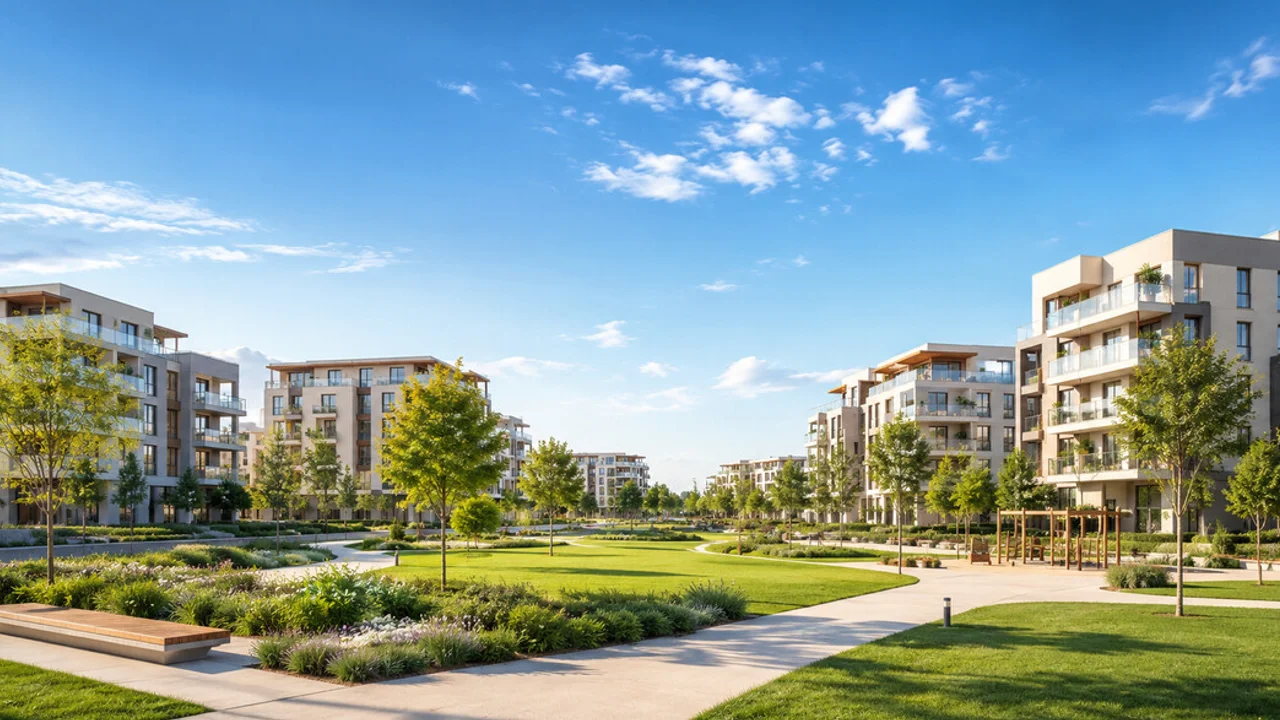
The Israel Land Authority has concluded a tender for Complex A in the HaZayit neighborhood of Ramla, revealing a steep 53% discount on land value due to a lack of competing bids. The single bidder, Mimuoshim MagsHimin Potentzial, acquired the land designated for 102 housing units for 16.7 million shekels, well below the estimated appraisal of 36.1 million shekels.
High development costs and current market conditions have increasingly led to heavily discounted land tenders across the country, a trend recently observed in Beit Shemesh and Ma'ale Adumim. In the Ramla project, the winning developer will bear development expenses of 11.82 million shekels, bringing the total land and development cost to approximately 28.5 million shekels. This translates to under 300,000 shekels per housing unit including development, offering an exceptionally low entry point for the central region.
While the low land cost represents roughly 10% of a new apartment's price in the area, developers must still factor in high construction costs, expensive bank financing under elevated interest rates, taxes, and marketing. Furthermore, apartment sales in Ramla are currently moving at a moderate pace, influenced by large supplies in neighboring Lod and the impending addition of thousands of housing units from upcoming urban projects like Ramla West and Rehavam.
Ramla remains one of the more affordable cities in Israel's central district, with new apartments generally priced between 16,000 and 17,000 shekels per square meter, though premium developments can exceed 20,000 shekels per square meter. A central question arising from the tender is whether the massive land discount will translate into cheaper apartments for buyers, or if developers will retain the surplus as standard entrepreneurial profit amid tightening margins since the outbreak of the war.