Post-Holiday Skin Care: How to Safely Treat Summer Pigmentation
Post-holiday skin often shows sun damage and pigmentation. Dermatologists warn against aggressive treatments, advising a professional diagnosis and gentle seasonal care.
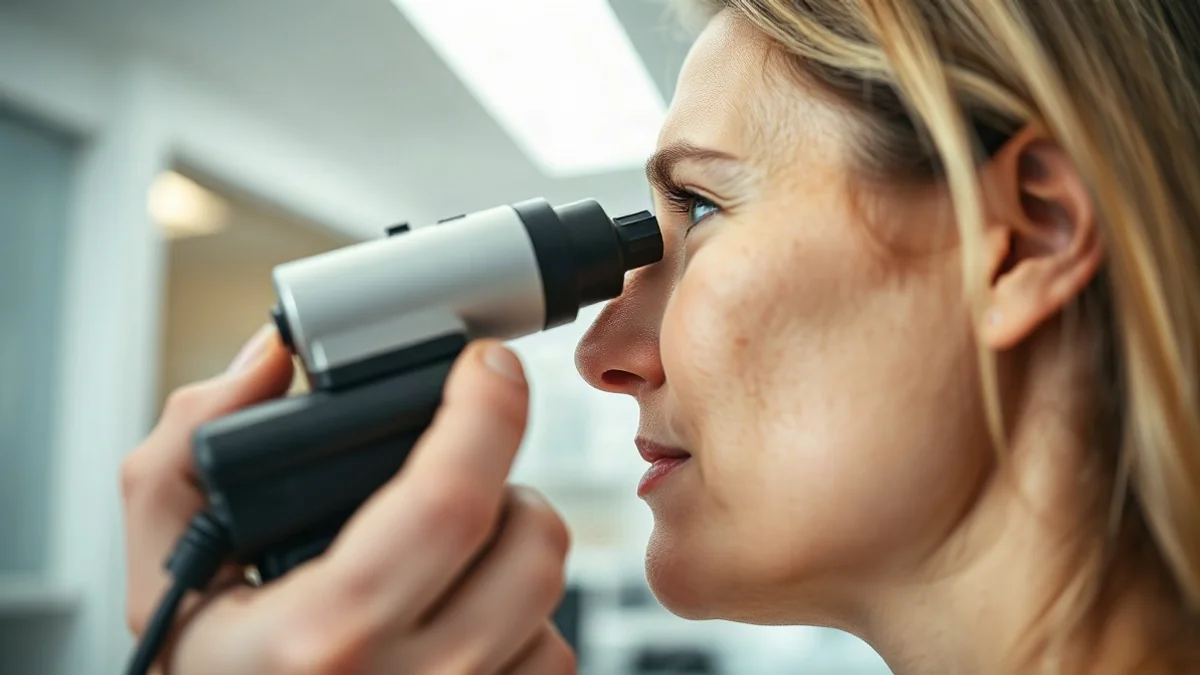
The post-holiday season often symbolizes a long-awaited return to routine, but for our skin, it is one of the most complex tests of the year. After months of exposure to the intense sun, beach days, trips, and prolonged outdoor activities, the mirror reveals a dull complexion, a loss of vitality, and above all, the appearance of new spots, darkened freckles, and shadowy areas on the cheekbones, forehead, décolletage, and the back of the hands.
The immediate instinct for most of us is to erase these souvenirs as quickly as possible. Shelves are packed with promises of skin-lightening products that work in days, and beauty clinics offer a variety of rapid peeling treatments. However, in professional dermatology, this rush is precisely the mistake that can cost dearly.
The First Rule of Pigmentation Care
The golden rule during transitional seasons is simple: do not overly irritate the pigment cells. Treating the skin too aggressively at a time when the sun is still present and significant triggers a defensive response. Instead of lightening the area, the skin reacts with internal inflammation that fixes the spot, making it darker, deeper, and much more resilient.
Pigmentation is actually a sophisticated biological defense mechanism. When exposed to UV radiation, cells produce melanin, the coloring agent designed to shield skin cells and protect their genetic material. When exposure is prolonged, the mechanism loses regulation, and the pigment settles in a concentrated manner.
Understanding Melasma and Professional Diagnosis
Not all spots are created equal. There are superficial sun spots and freckles resulting from direct radiation, but there is also melasma, a deep hormonal pigmentation common among women. It features symmetrical patches on the cheeks, forehead, and upper lip. Melasma responds not just to sunlight, but also to direct heat like cooking, standing near an oven, or sitting in a hot car. Trying to peel melasma aggressively only triggers a violent recurrence.
Because pigmentation can stem from various causes, including skin conditions or endocrine issues, an accurate medical diagnosis by a dermatologist is the essential first step before touching any product.
Safe Treatments for the Transitional Season
Contrary to the myth that you must not touch your skin until heavy rain arrives, the post-holiday period is the exact right time to begin gentle treatments:
-
Superficial to medium-light peels: Based on alpha and beta-hydroxy acids in moderate concentrations, these stimulate cell renewal without massive peeling.
-
IPL light technologies: Controlled pulses of light treat superficial spots and redness, provided there is no active tanning and strict sun protection is maintained.
Treatments to Save for Deep Winter
Powerful procedures such as aggressive fractional lasers, ablative CO2 lasers, and deep chemical peels create controlled injuries deep within the skin. Minimal sun exposure during recovery can lead to burns and permanent damage. For these treatments, one must wait for genuinely cool, cloudy winter weather.
Summer damage is not an inescapable fate, and proper care combined with professional guidance will restore your skin's healthy glow just in time for the colder months.