Netanyahu publicly rejected Gaza plan - diplomats fear loss of Trump's influence
According to a report by the American media outlet Politico, diplomats warn that the Israeli Prime Minister's refusal of the 15-point plan could damage trust in the Peace Council and the American President's ability to exert influence. The concern is that the Trump administration has lost its leverage and is unable to influence Israel and other actors in the Middle East.
Allies of the United States fear that Israeli Prime Minister Benjamin Netanyahu's rejection of the American plan for Gaza is damaging trust in the Peace Council and the Trump administration's ability to influence developments in the Middle East, as reported by the American media outlet Politico. According to the report, diplomats and people familiar with American strategy in the region said there is a growing sense that Washington does not possess the necessary leverage, or is not prepared to use it, to advance the plan in Gaza.
An Arab diplomat familiar with American policy in the Middle East said that the rejection of the plan could have "significant consequences for long-term regional stability and Israel's security." According to him, Trump is the only one who can influence the situation by exerting pressure on Netanyahu to reconsider his position. The same diplomat warned that Arab and regional leaders might need to balance their interests against the backdrop of developments.
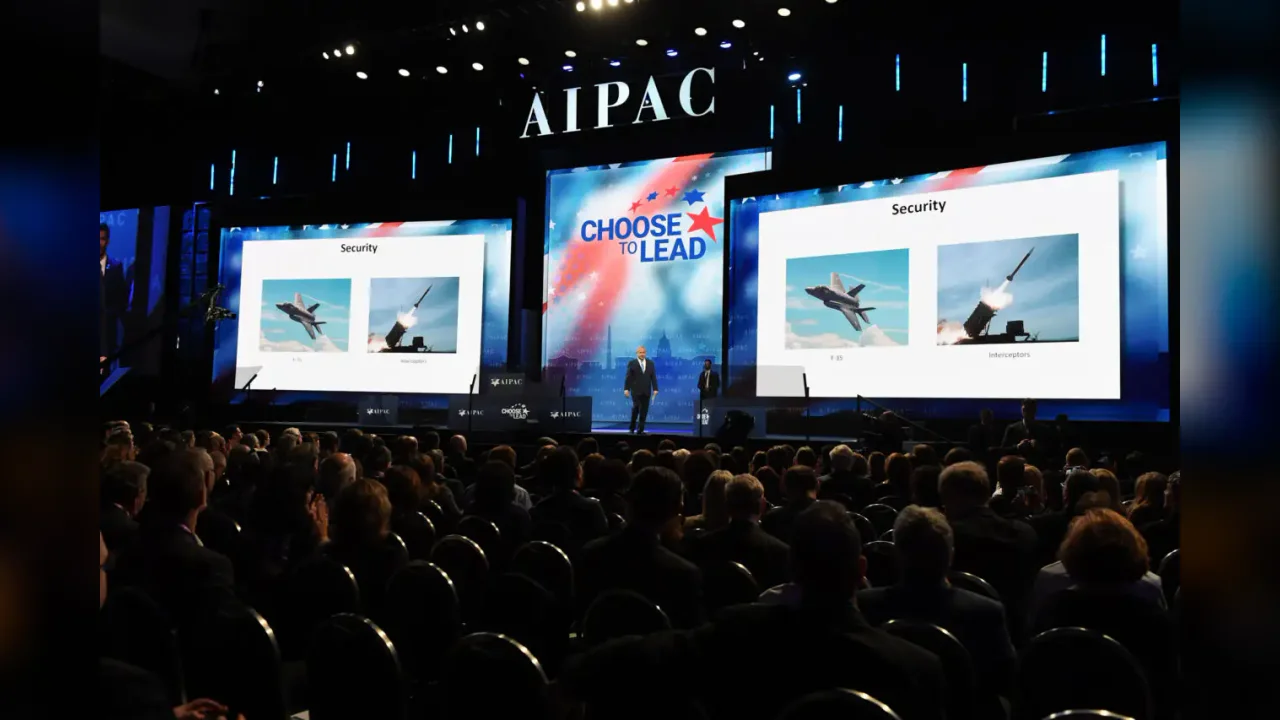
Netanyahu rejected the peace plan for Gaza supported by the White House earlier this week, clarifying that Israel demands that Hamas disarm "genuinely" before it agrees to withdraw its forces from the Strip. This position could also cast doubt on the feasibility of the Peace Council's functioning.
A Western diplomat familiar with Middle East policy argued that Netanyahu's decision indicates that the American strategy toward Israel is flawed. According to him, the attempt to appease Israel leads to more maximalist demands, and Israel remains one of the obstacles to a two-state solution.
"The roadmap is between the Peace Council and Hamas"
Robert Jordan, who served as US Ambassador to Saudi Arabia during the George W. Bush administration, said that "the Peace Council is currently in a problematic situation." According to him, it did not look like a broad and highly feasible alternative to the UN from the start, and the political situation in Israel adds to the difficulties.
The Peace Council refused to comment, but a source in the organization claimed that work is continuing at full pace and with Israeli cooperation. He pointed to a logistics support area that is under construction and is intended to serve hundreds of soldiers expected to be deployed in Gaza as part of the international stabilization force the Council is planning.
According to that source, "the roadmap is between the Peace Council and Hamas," while separate discussions with Israel continue. He emphasized that Israel is not required to rely on trust or take irreversible steps before actions on the ground are verified.
Meanwhile, it was reported this morning on Kan Reshet Bet that the Peace Council decided to grant Hamas a sum of $400 million, which is supposed to be used to "cover debts" to suppliers and other expenses. According to the report, the Peace Council strongly claims that the money will not be used to cover debts created due to corruption in the terrorist organization.
Trump avoids public confrontation with Netanyahu
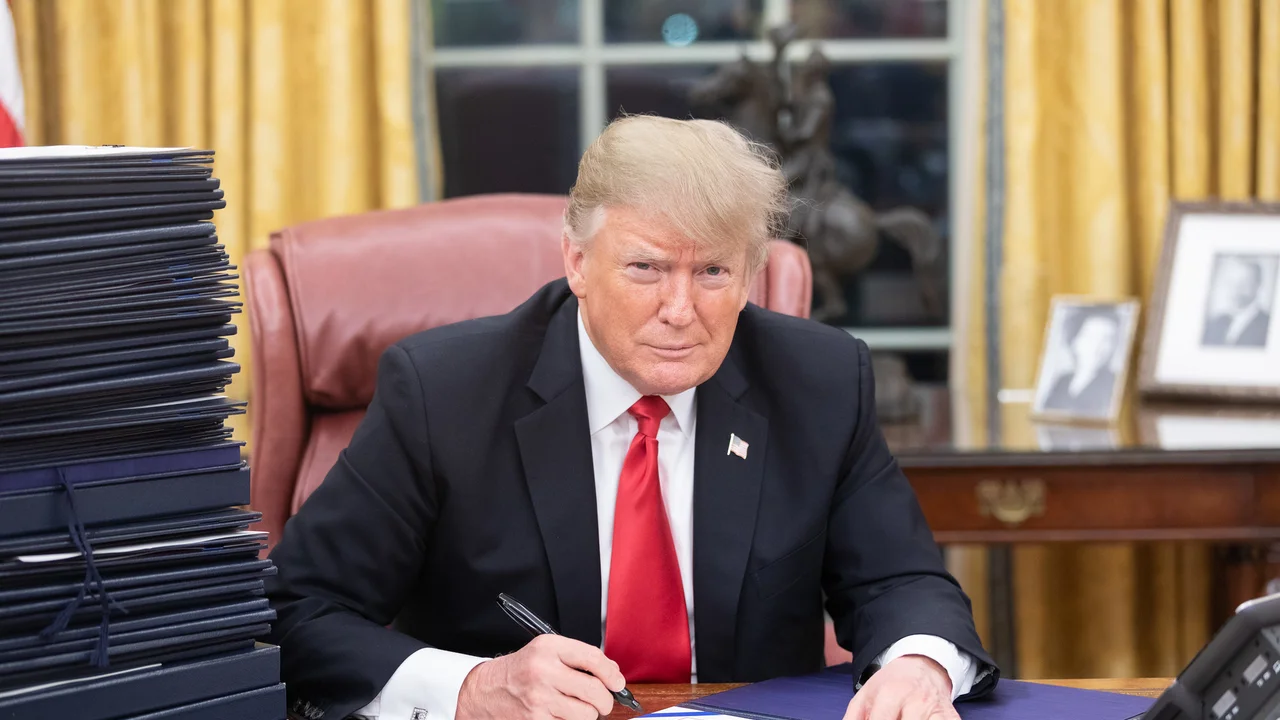
Trump has so far avoided public confrontation with Netanyahu over the roadmap. On Monday, he told reporters that he has a "good relationship" with the Israeli Prime Minister, even though Netanyahu rejected the American proposal. The White House refused to provide further comment on the rejection of the plan.
A source in the Trump administration, speaking on condition of anonymity, said that the White House does not believe that Netanyahu's actions have thwarted the peace process. According to him, it is mainly about Netanyahu's "conduct ahead of the elections" before the Israeli public, and that the Peace Council is actually receiving good cooperation on the ground recently.
"US President is losing credibility"
In Europe, however, some governments still hope that the Peace Council can save the political process in Gaza. German Member of the European Parliament Hildegard Bentele praised the work of Nickolay Mladenov and his achievements in formulating the plan. According to her, she believes that the effort led by the US could move forward if the plan is resubmitted after the elections in Israel and focuses on the issue of full disarmament.
Other people with experience in the region believe that Netanyahu is succeeding in pushing the Peace Council in a direction that is more beneficial to Israel. Nimrod Novik, who served as a senior political advisor to former Prime Minister Shimon Peres, said that Netanyahu's actions are "testing the patience" of the American team and the Peace Council.
Zaha Hassan, who was an advisor to the Palestinian negotiating team during its attempt to be accepted as a member of the UN, said that this is effectively a "personal project of Trump." According to her, if the effort is unable to get Israel to withdraw from Gaza and allow the Peace Council to operate, other regional actors might wonder how the US could restrain Israel in their environment.
A European diplomat argued that the disappointment with Trump's influence in the Middle East was already evident in his failure to bring about a quick end to the war with Iran. According to him, the solution is not as close as expected or as Trump presented in the past, and he believes that the US President is "losing credibility," while the entire situation remains in uncertainty.