Nasdaq 100 Enters Correction Territory as Investors Reassess AI Spending
The Nasdaq 100 enters correction territory after dropping over 10% from its peak, as Wall Street investors reassess massive AI investments and earnings reports amid Federal Reserve rate hike expectations.
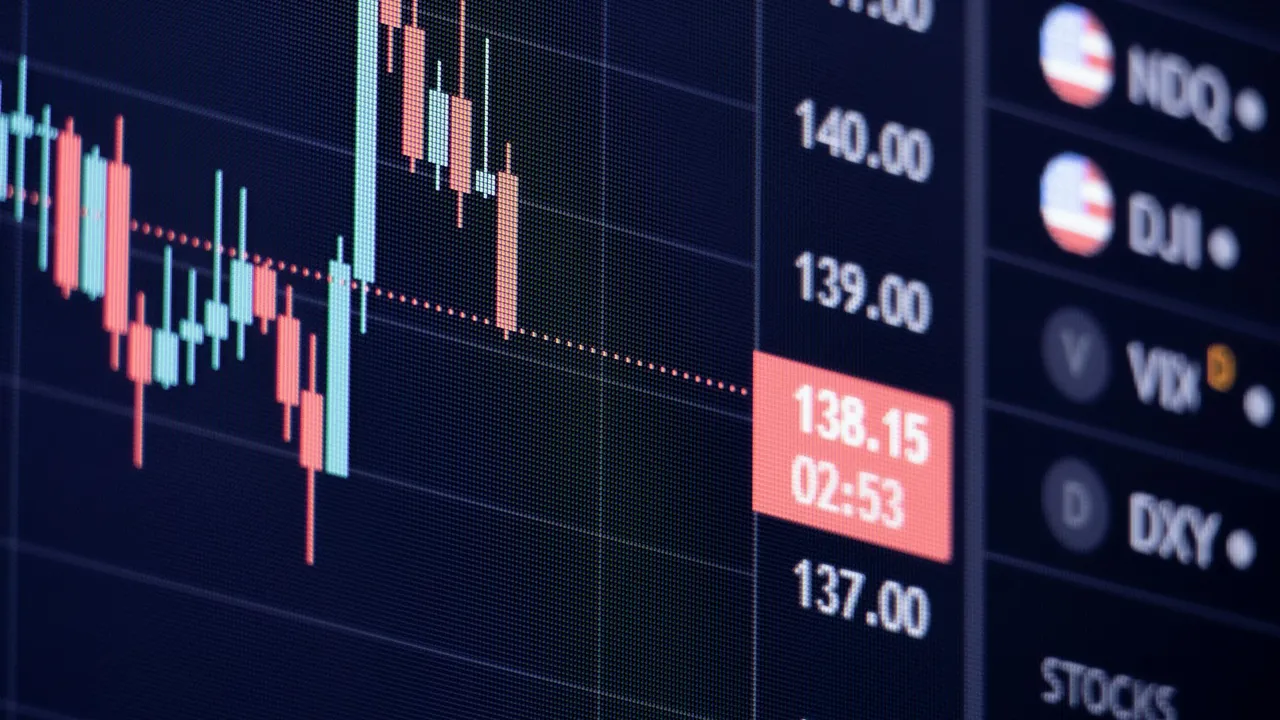
The US stock market is facing a significant test as the Nasdaq 100 index entered correction territory after dropping more than 10% from its October peak. The declines come amid a positive earnings season on Wall Street, as investors begin to reassess massive investments in artificial intelligence and the ability of tech giants to generate profits.
According to a review published by Swiss bank Julius Baer, the Nasdaq 100 index fell 1.4% in Monday's trading, while the S&P 500 index lost only 0.5%, even though most companies included in it recorded gains. Mathieu Racheter, head of equity strategy research at the bank, explained that the gap between the indices reflects a shift in investor preferences, who are starting to look for opportunities outside the technology sector.
Data from the earnings season presents an interesting picture. About 60% of S&P 500 companies have already published their results for the third quarter, with 82% beating earnings-per-share forecasts and 70% exceeding revenue estimates. Weighted earnings growth reached 30.2% compared to the previous year.
However, despite the impressive figures, aggregate earnings were only 1.9% higher than expectations, compared to a five-year average of 7.5%. Julius Baer explains that investors have become more selective, especially regarding companies making huge investments in artificial intelligence while still struggling to prove those investments will translate into meaningful cash flow.
At the same time, the bank estimates that the US Federal Reserve may raise interest rates once again in December. Chief economist David Kohl noted that US growth reached an annual rate of 3.4% in the third quarter, while inflation climbed to 3.7%. In contrast, moderate growth in the eurozone is expected to limit further rate hikes.
Another factor influencing the markets is the US midterm elections. Julius Baer economist David A. Meyer estimated that the Democrats may secure a majority in both houses of Congress, against the backdrop of high gasoline prices and declining support for President Donald Trump. According to his forecast, Democrats could win 230 to 240 seats in the House of Representatives and 52 to 53 seats in the Senate.
In the energy sector, Norbert Rücker, head of economics and next-generation research at the bank, estimated that high oil and gas prices primarily reflect concerns over security escalation rather than actual supply shortages. According to him, the US elections could influence the direction of prices, with oil trading above $100 and natural gas in Europe above 90 euros.
The crypto market was also in focus following a hack on the Binance exchange, in which assets worth more than $6 billion were stolen. Carsten Menke, head of next-generation research at Julius Baer, stressed that the incident highlights the importance of digital asset security. The bank maintains a positive stance on the cybersecurity sector despite high valuation levels in the industry.