Moldova Protects Jewish Student Holiday Rights in Landmark Education Decree
Moldova's Ministry of Education has issued a binding circular protecting Jewish students' rights to observe holidays and Sabbath without academic penalty, ending 37 years of discrimination.

In an unprecedented move with broad international resonance, the Ministry of Education and Research of the Republic of Moldova issued an official circular obligating all educational institutions in the country to recognize the right of Jewish pupils and students to observe Jewish holidays and Sabbath without any negative impact on their academic path.
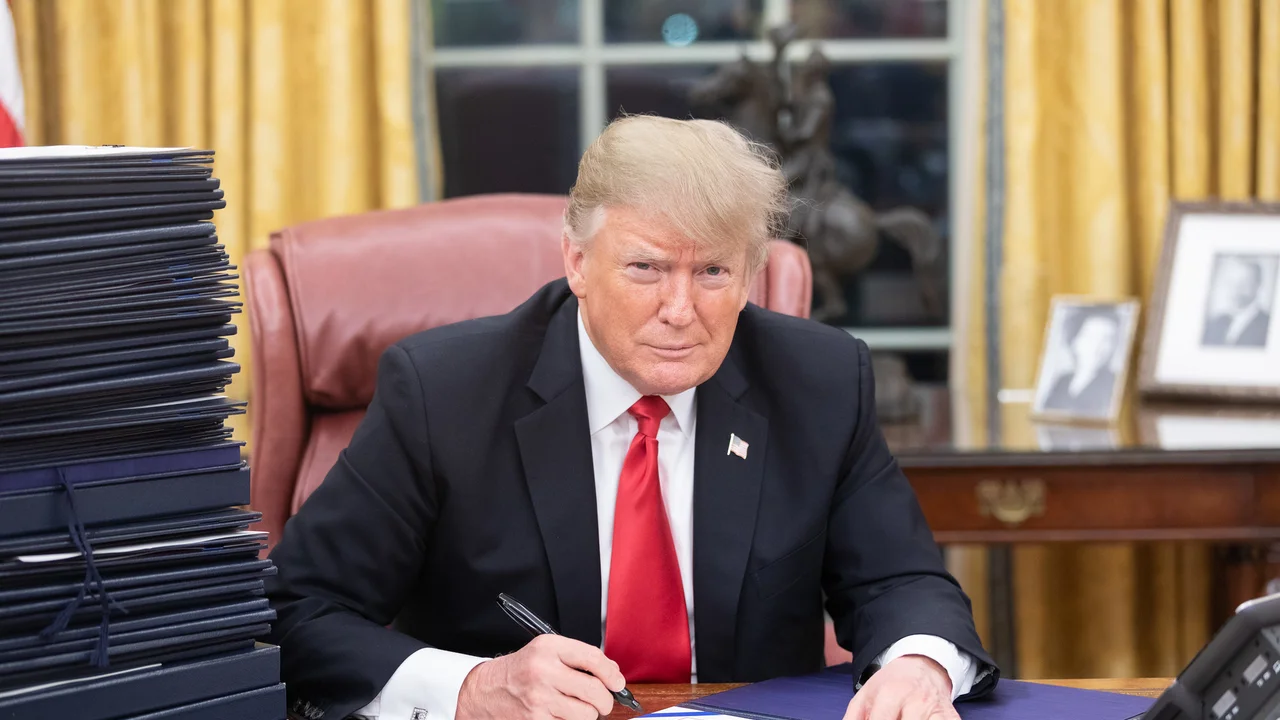
The decision, signed by Minister of Education and Research Dan Perciun, establishes a protected status for observant learners for the first time, requiring institutions to allow the completion of coursework and provide alternative dates for exams scheduled on holidays and Saturdays. Behind this breakthrough lies extensive diplomatic and community work led by Rabbi Eliyahu Fridkin and the "770 Chisinau" community, operating in cooperation and coordination with the Conference of European Rabbis (CER).
Grassroots Leadership and Practical Diplomacy
At the center of this dramatic development is Rabbi Eliyahu Fridkin, who has led the spiritual and social activity within the "770 Chisinau" community in recent years. Rabbi Fridkin's activity is characterized by a unique combination of in-depth educational work and vigorous public diplomacy with senior Moldovan government officials.
On the community level, Rabbi Fridkin established a multi-generational activity network accompanying children and youth from early childhood to academia: the traditional "Cheder" religious education framework for young children, a youth club for adolescents in transitional ages, and the "Young & Jew" student and academic club for ages 18 to 37. Within this flagship project, Rabbi Fridkin delivers weekly lectures on the weekly Torah portion, Jewish philosophy, and contemporary issues, alongside kosher dinners and open discussion evenings.
International Connections and Government Engagement
Rabbi Fridkin initiated delegations of students from Chisinau to international seminars in Europe, such as the European Conference of Jewish Students (ECJS) gathering in Thessaloniki, and hosted regional summer camps in Chisinau for youth from Germany and Ukraine. These initiatives aim to break geographic isolation and connect Moldova's young generation to a global Jewish network.
Simultaneously, Rabbi Fridkin consistently operates within government corridors. Last May, the rabbi hosted Ion Mocanu, senior advisor on religious affairs to Moldovan President Maia Sandu, at the club. The meeting addressed pressing issues such as community security, protection of Jewish cemeteries and historical heritage sites, and legal matters concerning the status of religious organizations.
Ending 37 Years of Discrimination
The dilemma faced by Jewish students in Moldova was an open wound for nearly four decades. The official exam schedule of the state and its universities routinely set exams on Saturdays and during High Holidays and Passover. Numerous students were repeatedly forced into an impossible choice: either violate their faith or risk their academic future.
Last July, Minister of Education and Research Dan Perciun accepted Rabbi Fridkin's invitation and met with dozens of young people at the "Young & Jew" club. During the direct encounter, the students presented the ongoing difficulty to the minister. Minister Perciun listened to the testimonies and stepped up, agreeing to initiate a joint process to end the phenomenon for the first time in 37 years.
The conversation also touched upon broader topics regarding Holocaust remembrance in Moldovan textbooks, teaching Bessarabian Jewish heritage, and cooperation opportunities with Israel's education system. Following this initial meeting, Rabbi Fridkin held a professional working session at the Ministry of Education on July 26, formulating the terms of the official document.
The Mandatory Framework: Officially Recognized Jewish Holidays
The efforts culminated at the start of the school year when Minister Dan Perciun signed an official circular (No. 06/1119/26 dated September 2, 2026) sent to all general, vocational, technological, and academic educational institutions nationwide.
The document instructs institution managements to operate according to the principles of freedom of religion, equality, and inclusion, mandating tailored accommodations for every observant student:
«In the event that assessments and examinations are scheduled during the specified periods, the institution management shall ensure, upon request, the possibility of taking or completing them at another time, so that the observance of religious customs will not cause undesirable consequences for the student's academic path.»
The circular details the exact holiday dates for the 2026–2027 academic year:
-
Rosh Hashanah: September 12–13, 2026
-
Yom Kippur: September 20–21, 2026
-
Sukkot: September 26–27, 2026
-
Shemini Atzeret / Simchat Torah: October 4–5, 2026
-
Purim: March 23–24, 2027
-
Passover: April 21–30, 2027
Tolerance in Action
The "770 Chisinau" community enthusiastically welcomed the government circular, praising the Moldovan government led by President Maia Sandu and Minister Perciun. «Moldova is proving today that European values of pluralism, freedom of religion, and equal rights are not mere slogans, but are implemented in practice through clear policies», the community stated. «This decision lifts a heavy burden from the hearts of hundreds of Jewish young people, who can now proudly preserve their ancestral heritage alongside their academic and professional ambitions.»