The Apple Paradox: Minimal AI Investment and Record Valuation
Despite modest investments in artificial intelligence and a policy of avoiding mass layoffs, Apple has reached a record market valuation of $5 trillion. Analysts attribute this success to the company's conservative approach and efficient business model.
The author is an analyst of foreign stocks in the investment division of Bank Leumi. Apple is considered one of the most conservative and cautious companies in the technology sector, a perception reflected in its disciplined human resources policy. Unlike the wave of massive layoffs that has hit other tech giants in recent years, Apple has largely avoided widespread staff reductions.
Market and investor attention remains focused on two central axes: the primary revenue channel, consisting of iPhone sales volume, and the company's strategy regarding AI in the global race. Apple's market value reached a historic milestone, crossing the $5 trillion mark and showing an impressive jump since the beginning of the year. This event briefly returned the company to the top spot as the world's most valuable public company, before trading volatility returned the lead to Nvidia.
Nir Orgad, an analyst at Bank Leumi, notes: "There is a game of musical chairs between Nvidia and Apple. Apple has performed significantly better than the rest of the 'Magnificent Seven' companies since the beginning of the year. Many investors are surprised that a company labeled 'boring' due to its low AI investment is soaring to record valuations."
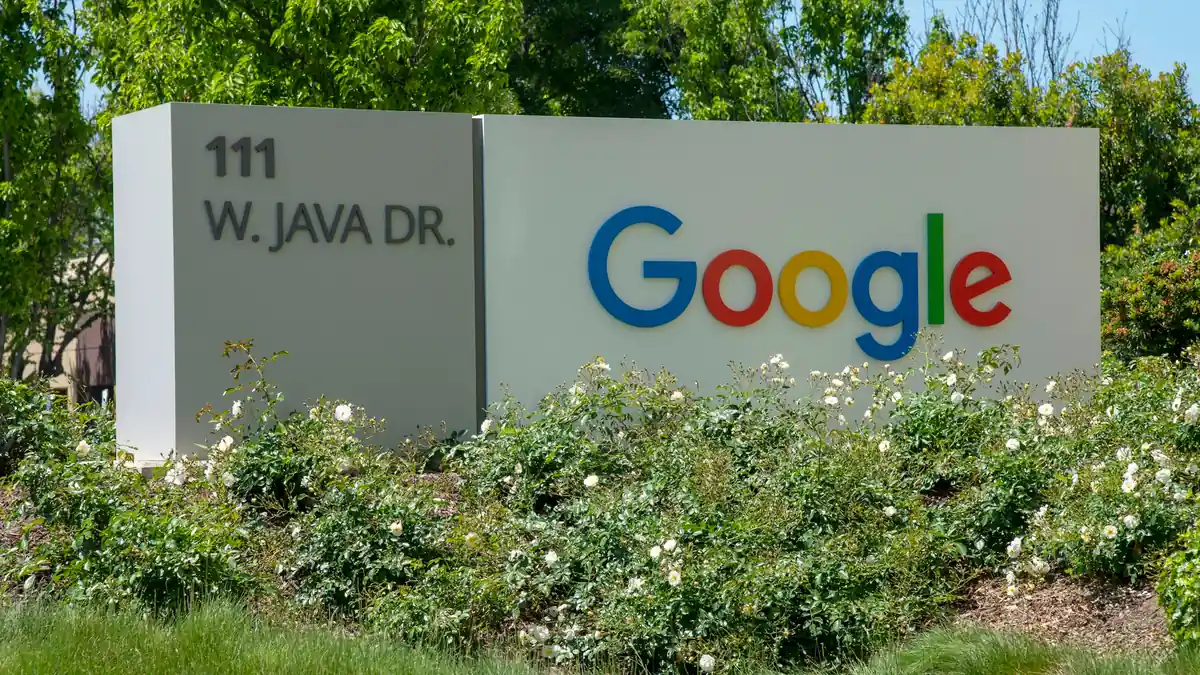
Orgad explains: "Apple's capital expenditures actually decreased in the past quarter. This contrasts sharply with other giants investing tens of billions of dollars annually, while Apple invests around $10 billion. For comparison, Google invests about $200 billion a year—20 times more."
The 'Take Its Time' Strategy
According to Orgad, Apple prefers a patient approach: "The company observes what others are doing and often enters the market later, delivering a superior user experience. It is currently allowing other companies to develop powerful capabilities, waiting to integrate them into its devices in the most effective way."
Regarding revenue growth, Orgad points to price increases across iPhones, iPads, and Macs, driven by rising memory component costs. "The smartphone market is saturated, so investors are questioning what Apple's next major innovation will be," the analyst adds.
AI and Shareholder Returns
While Apple initially lagged during the early AI stock rally, it has returned approximately $70 billion to shareholders since the beginning of the year through share buybacks and dividends. Conversely, other companies are forced to cut costs due to heavy AI spending, which impacts shareholder compensation.
"Investors are objectively wary of rising expenses and negative free cash flow, as seen with Google," Orgad concludes. In the software sector, he expects companies will need to "reinvent themselves," noting that smaller firms like Monday and Wix have a higher potential for disrupting their business models.
Full disclosure: "Data of the Week" is an editorial project conducted in collaboration with Bank Leumi experts. This material does not constitute investment advice or a substitute for professional judgment.