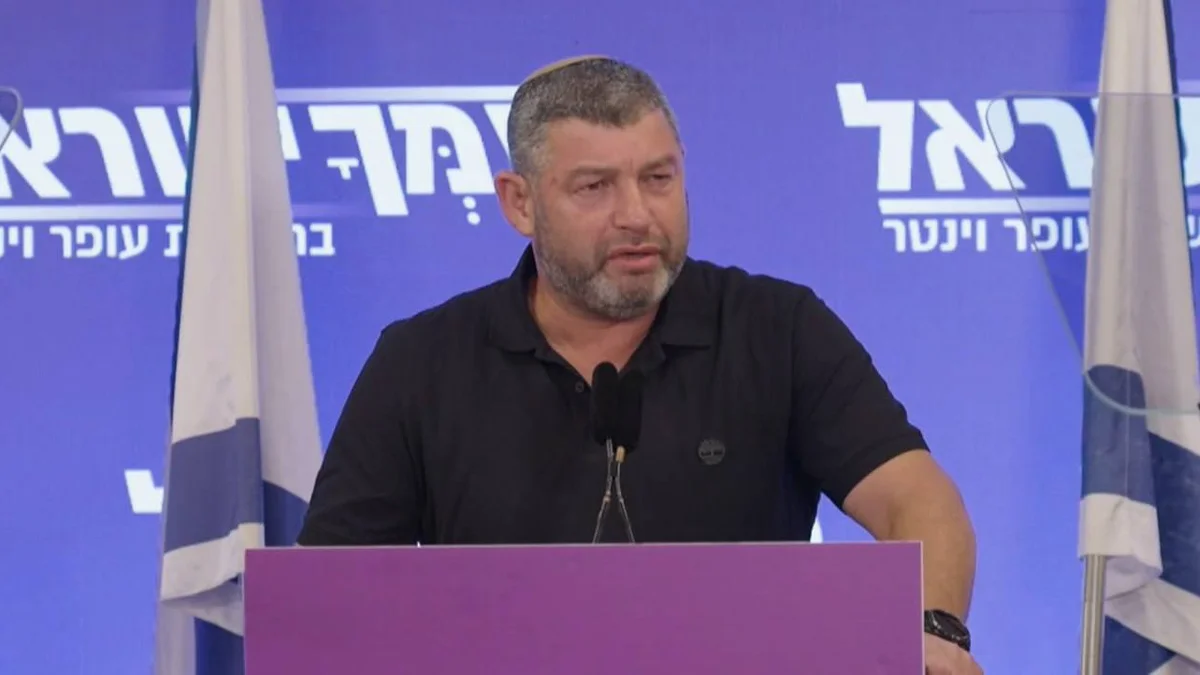
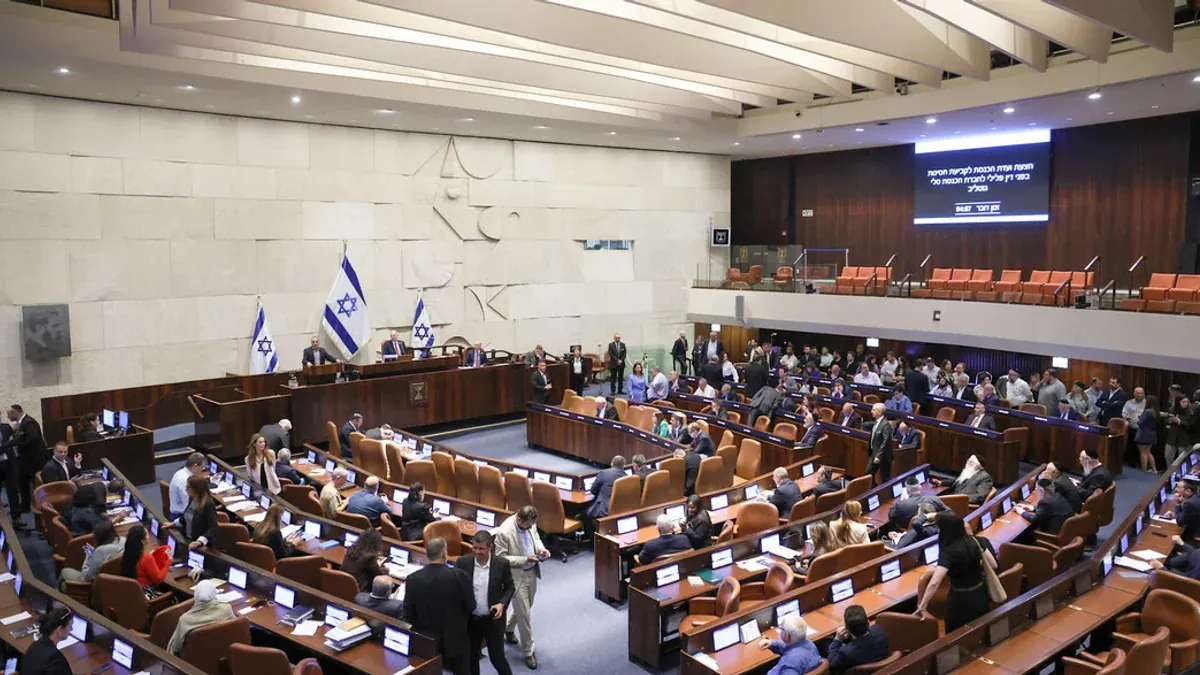
Likud voters' message — what does the public think of Katz and Zamir? "Ha-Yom" poll
According to the "Ha-Yom" poll, almost all party supporters attach importance to the list and not just its leader. The public supports the IDF Chief of Staff from both the right and left, but is divided regarding the Prime Minister and the Minister of Defense. The poll also reveals a lack of trust in agreements with Hamas.

Ahead of the Likud primaries and the start of internal battles for spots on the shrinking list, it emerges that 81% of party voters attach importance to the list and not just to the person at its head. This is according to the "Ha-Yom" poll conducted by the Kantar Institute among 552 men and women aged 18 and over, in an online sample, including the Arab sector.
This means that even if they vote for Benjamin Netanyahu, it is important to the voters how the team looks. This is the reason for the numerous reserved spots that Netanyahu currently holds.
2026 elections to the 26th Knesset | Mandate polls, bloc map and updates
Netanyahu ahead of Eisenkot — what is happening in the blocs? Mandate poll
The alternative is that Netanyahu will head to the elections with Tally Gotliv as the first woman in Likud, according to a poll conducted among free members.
On another note, while opinions are divided between the camps quite predictably regarding the performance of Netanyahu and Defense Minister Israel Katz, it seems that Israelis on the right and left are united in their opinion that Eyal Zamir is a relatively good IDF Chief of Staff and that agreements with Hamas have no validity.
58% of coalition voters and 65% of opposition voters believe that Zamir performed well as IDF Chief of Staff. This gives him a kind of supra-partisan status, despite recent friction with the right-wing voting public.
On a more distinct issue, Israelis are united and firm: only 17% of respondents believe that the demilitarization plan presented by the Peace Council would be implemented, compared to 52% who do not believe in it.
The lesson from October 7 is still fresh: no one is in a hurry to buy promises on paper from a murderous terrorist organization, especially when the pressure lever they had — the hostages — has been returned to the country.