National Labor Court Weighs Retroactive Firing Permits for Reservists
The National Labor Court is set to review a pivotal appeal regarding whether employers can retroactively seek termination permits for reservists, impacting hundreds of thousands of IDF service members across Israel.
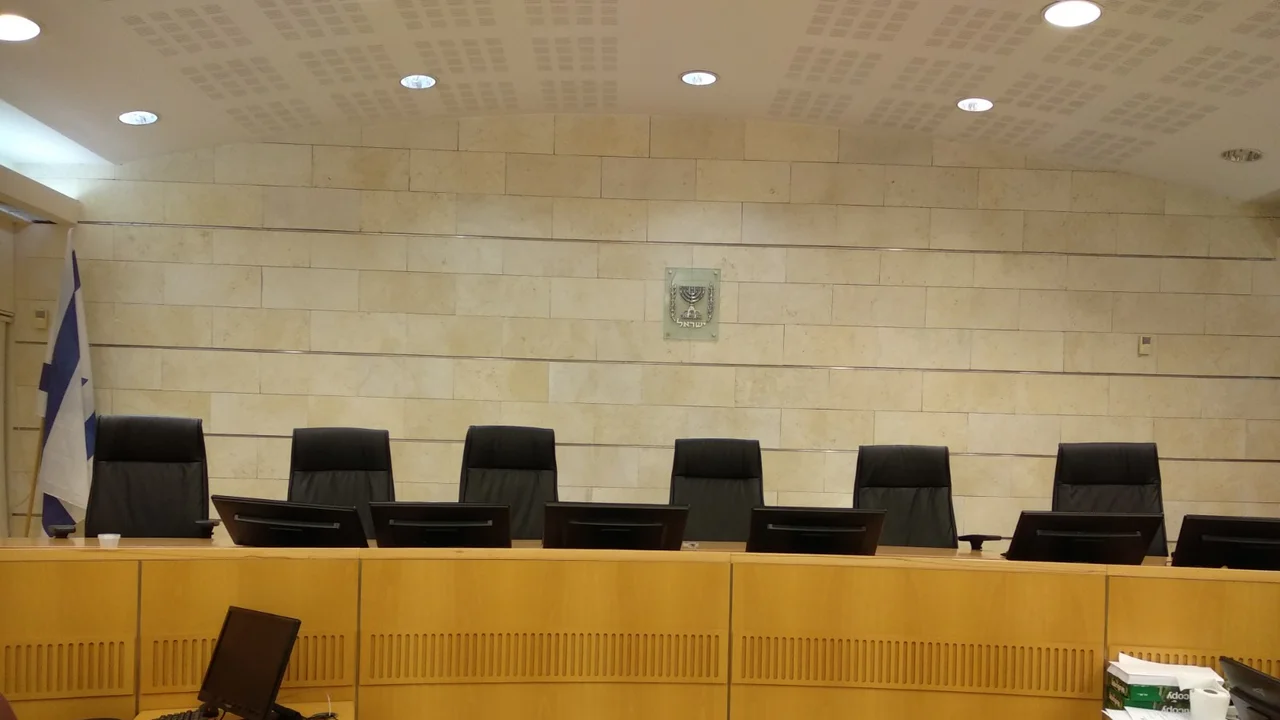
A high-stakes legal battle currently pending before the National Labor Court in Jerusalem threatens to upend employment protections for hundreds of thousands of IDF reservists across Israel. The core legal question revolves around whether an employer who dismisses a worker during a protected period without prior authorization from the Ministry of Defense's Employment Committee may retroactively petition the committee for termination approval months after the employment relationship has ended.
The case stems from a dispute between "Syncopa 2002", a sound and lighting production company founded by evacuees from Kibbutz Kfar Aza, and Idan Zohar, a former Kfar Aza resident, married father of three, and long-time company logistics manager. Zohar was called up for reserve duty on October 7, 2023, and ultimately served nearly 500 days before his employment was terminated in late December 2025. Following a corporate restructuring, company executives met with Zohar, resulting in conflicting accounts: the company maintains the separation was consensual, whereas Zohar insists he was abruptly dismissed due to his extensive reserve service.
The legal framework under the Discharged Soldiers Law explicitly prohibits employers from firing reservists during active duty and for a mandatory post-service protection period ranging from 30 to 60 days without securing prior approval from the Employment Committee. The committee may grant such permits only under strict cumulative conditions: proving the dismissal is unrelated to military service and that exceptional reasons justify the termination. Historically, labor tribunals viewed this requirement as an absolute preventative barrier that must be cleared beforehand.
Syncopa's legal counsel argues that the statutory text does not explicitly contain the word "prior," asserting that the committee possesses implicit authority to evaluate retroactive requests, particularly when employers discover service dates only after the fact through agencies like the National Insurance Institute. Conversely, attorneys Gil Dekel and Chen Zilber, representing Zohar, warn that recognizing retroactive permits would neutralize the protective legislation, enabling employers to bypass the law by firing workers first and seeking legalization later.
The State Attorney's Office recently requested a 45-day extension to formulate its official stance following broader systemic implications highlighted by the employee's legal team, prompting a procedural clash as Syncopa strongly opposes any delay ahead of the upcoming court session.