The storm in Likud: "We helped Netanyahu with things that are not exactly according to the constitution"
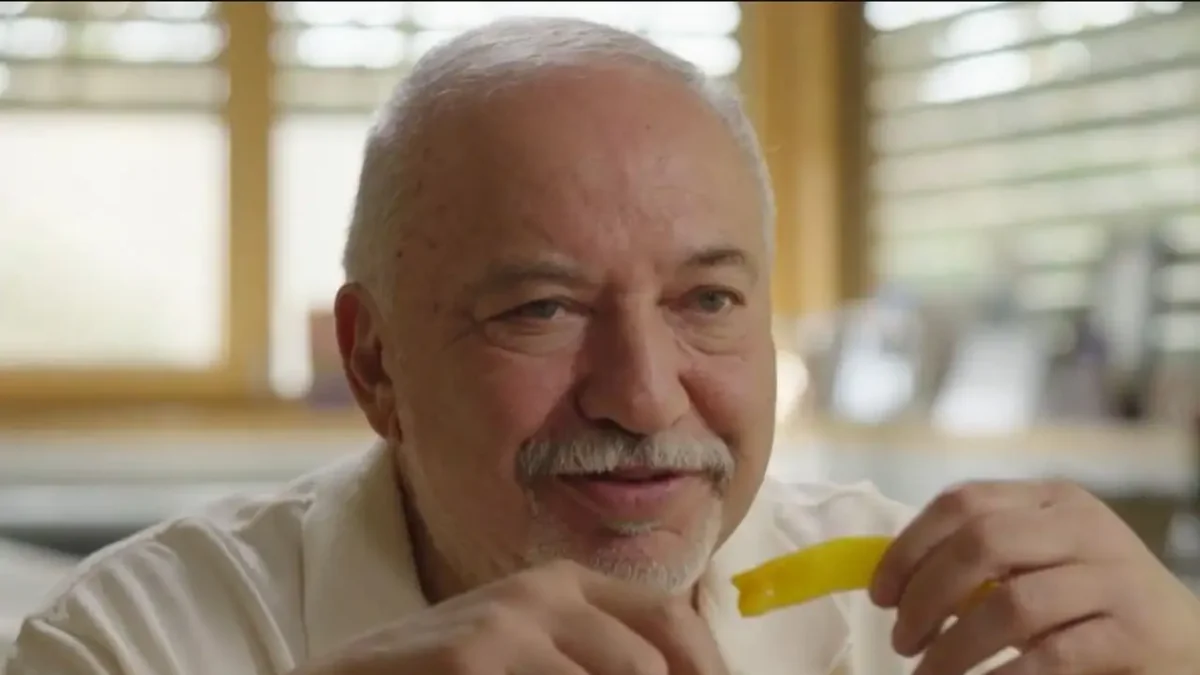
The party court president, former MK Michael Kleiner, was privy to the surprising reservation of spots for Israel Katz and Haim Katz. As someone usually considered an oppositionist in the movement, he actually assisted the Prime Minister, and according to him, not for the first time: "We found all sorts of creative ways that provided a democratic veneer." To the claim that state security was used cynically to grant an exemption from primaries, he answers: "That is not accurate. I cannot elaborate."
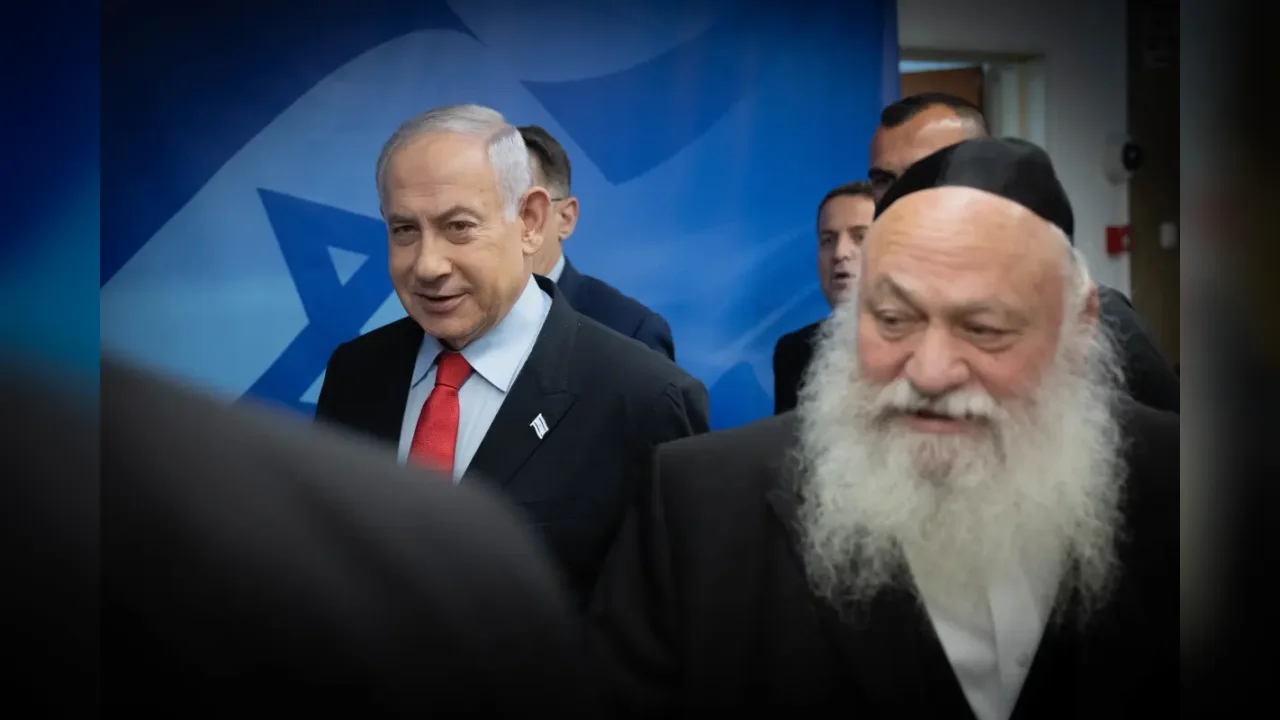
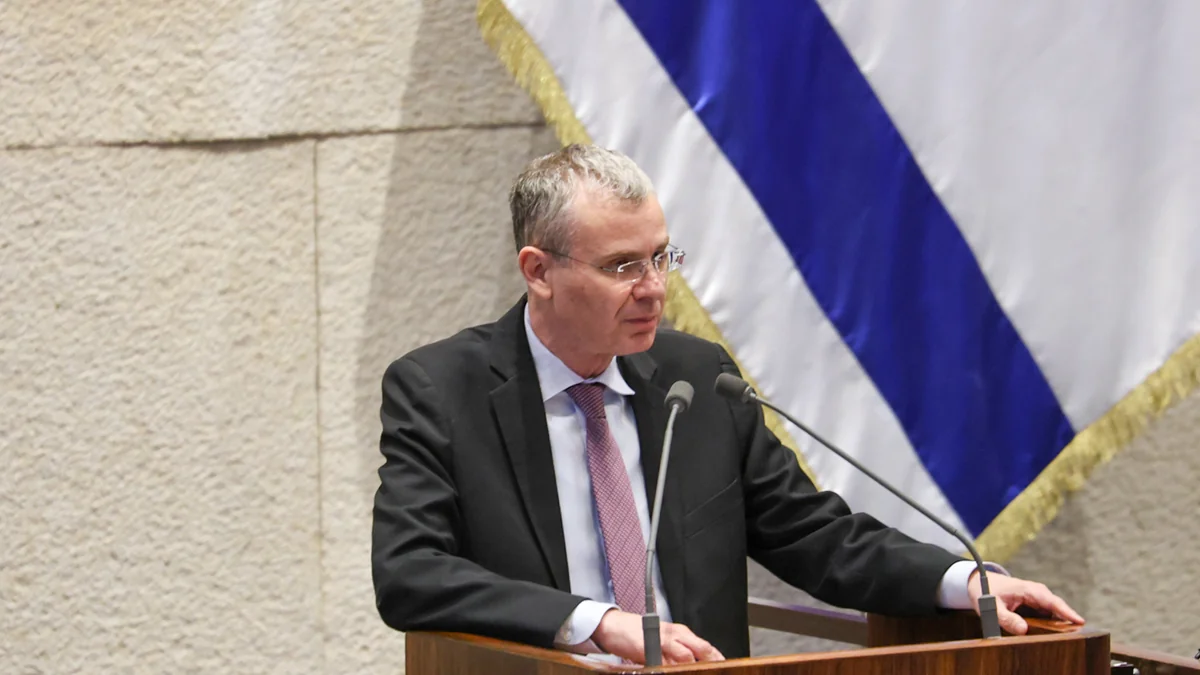
Prime Minister Benjamin Netanyahu dropped the political bombshell at the unusual hour of 1:13 AM, between Monday and Tuesday this week. The announcement he distributed, which unexpectedly reported on the reservation of spots and exemption from primaries granted to Defense Minister Israel Katz and Likud Center Chairman Haim Katz, managed to stun almost all members of the Likud movement. After all, just a day earlier, Israel Katz had published a new primary video ("Boom. Boom. Boom"), which joined another unforgettable video he published a week earlier ("A right-wing Defense Minister - with a graceful smile"). What happened suddenly? Among the few in Likud who were not surprised was the party court president, former MK Michael Kleiner. The reason for this is that he is one of the few who were aware of the deal that was concocted a week earlier, behind the scenes and in complete secrecy, between the two ministers and the Prime Minister. Kleiner is actually not considered one of the rubber stamps that Netanyahu maintains in Likud, and sometimes he is even accused of holding an oppositionist position towards him, but he cooperated with the Prime Minister and his people.
The sequence of events was as follows: last Tuesday, Netanyahu sent a secret letter to the court and asked to hide it from party members, including those who petitioned against the initiative to grant him a series of significant reservations. In the document he drafted, and whose content is revealed here for the first time, it was written as follows: "Due to the complex security situation at this time, and the continuous need to deal with security needs and the challenges of the hour, I see fit to accept your advice and announce that the Defense Minister will be reserved in the Likud list for the 26th Knesset. The reservation will be up to the sixth spot on the list in accordance with my final decision that will be given later. Benjamin Netanyahu." His request was honored. The letter was kept secret and only a week later did the Prime Minister publicly announce the reservation of the two Katzes (a few hours after the announcement about the reservation of the Jewish-American businessman, Oren Dobronsky).
Now, Attorney Kleiner admits that he was privy to the matter despite the many disagreements he had with Netanyahu in the recent period around the issue of reservations and the arranging committee. "Netanyahu and his people did not want to publish this agreement until he announced the first reserved person on the list," explains Kleiner. And you thought it was right to reserve the Defense Minister in addition to the rest of the reservations that were given to the Prime Minister anyway? "It was a request from the Likud legal advisor, Attorney Ilan Bombach, who explained that because of all sorts of special security reasons, Israel Katz cannot manage a normal primary campaign like the rest of his competitors at the top. After all, it is clear that presence at political events is very critical in these days before the vote."
What does not add up is that even in the week that passed until the official announcement, Katz continued to run a full political campaign until the last moment, including participating in conferences and publishing videos. What is the logic? "Let's say that although there was a letter, and although he was told there was a letter, the Defense Minister saw the decision as final only when it was published. He also did not entirely manage a campaign. He only released a video and went to an event of the Kiryat Ata mayor." Kleiner also believes that political activity of a Defense Minister in such a period causes image and public damage. "What happened during this week and the public criticism of the political events he attended proved how correct the decision to give him a reservation was," he says. "He needed to be exempted from this matter of primaries and the campaign, and allowed to focus entirely on security matters."
Netanyahu claimed in the letter that Katz needed to be reserved because of security considerations. Is that not using state security in vain? After all, a war did not suddenly break out. "What you are saying is very inaccurate, and beyond that I cannot elaborate. In any case, there is the matter of optics. When he arrives at a political event between security events, it looks bad. Imagine that he found a small hole in the schedule and went to a wedding, even for five minutes. A photo of him from there is enough and it is a bad message to the public. It looks bad and it also harms Likud. Every primary event that the Defense Minister is at is not good for Likud. So it is not fair to Israel that he has to compete for a spot at the top of the list with tied hands."
Fair enough. How do you explain the combination with Haim Katz? Why does he need a reservation? "In principle, I supported this thing because I am against reservations from the outside. Netanyahu knows this. Every person from Likud is preferable in my eyes. I see a blessing in everyone like Haim Katz or Gideon Sa'ar who receives a reservation instead of someone who is parachuted from the outside. It actually clears a spot on the list for another poor MK. So I see it as a positive act. I wish Netanyahu would bring five more like Haim Katz." In your opinion, would Israel Katz and Haim Katz not have been elected to a high spot on the list? "Israel yes. Haim I am not sure."
In recent weeks, you opposed Netanyahu's idea to determine the Likud list through an arranging committee, and you succeeded. "There was a proposal to allow him, in a certain security situation, to decide alone on an arranging committee but we did not allow him to bring it to the convention. We opposed and prevented the matter because it could have been implemented only with court approval. People near Netanyahu, all sorts of mayors, pushed him very hard for an arranging committee and at a certain stage he stuttered under their pressure. We did everything so that there would be primaries."
Kleiner has served as the Likud court president for 13 years. He has accumulated a lot of seniority and experience, but in the party, claims were raised against him that he leads a line opposing Netanyahu, and creates difficulties that harm the party chairman. "Like any person, when Netanyahu is not satisfied with our decisions then he is furious and angry and talks about an opposing court," reacts Kleiner. "But when I make decisions that help him, and there were also such, suddenly you hear him say 'there is nothing like the court' and 'only the court'. He is like an actor." Is the fact that you are not a rubber stamp a matter to be proud of in Likud today? "I think the movement should be proud of this. But I am not opposing. I do what is right. There were many decisions I made that helped Netanyahu when he tried to do things 'near the constitution'. We found all sorts of creative ways to help him, especially on the subject of reservations. Every time we would find a different way. For example, member polls or all sorts of inventions that gave a democratic veneer to an action that is not exactly according to the Likud constitution."