The battle for the votes of Israelis abroad
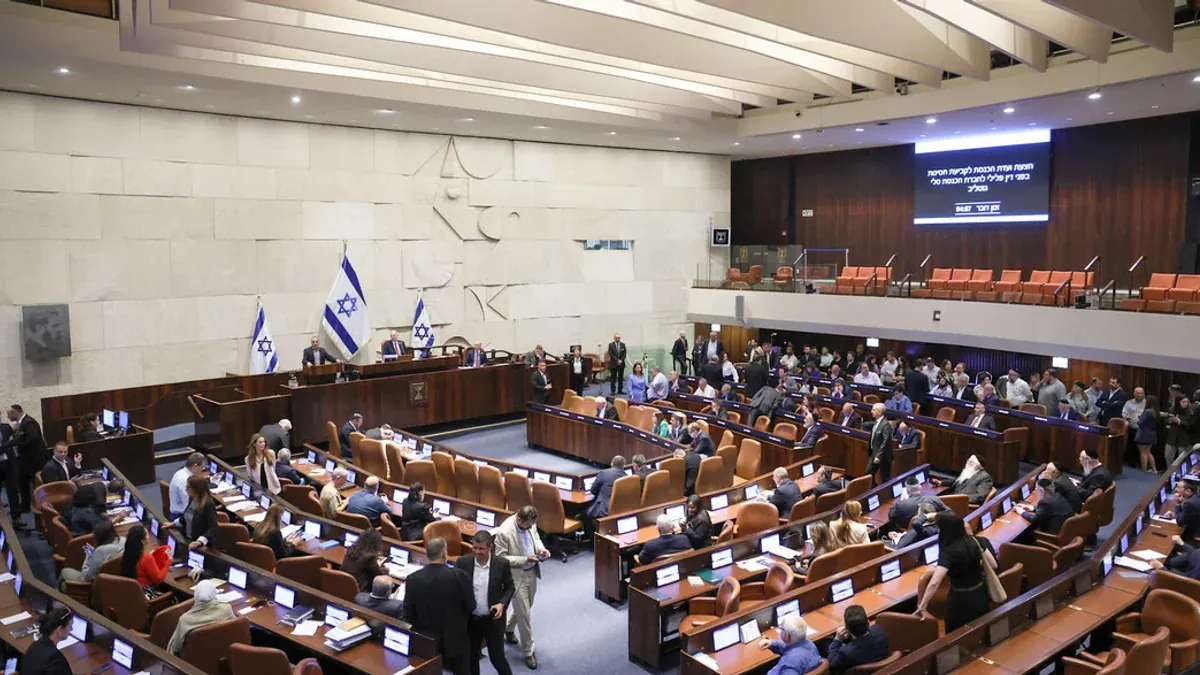
In Israel, unlike most Western countries, only those physically present in the country on election day are allowed to vote, with the exception of a small group of public officials. Ahead of the upcoming election cycle, a debate is emerging over organized flights bringing Israelis from abroad to vote, and whether this constitutes illegal election financing. Yohanan Plesner, president of the Israel Democracy Institute, explains what voting from abroad looks like globally and why it is correct to restrict it in Israel.
Listen to 'The Headline' — the daily news podcast of ynet. And this time: on the battle for the votes of Israelis abroad.
'Israelis can only vote when they are in the country. There is a very small group that is allowed to vote abroad: official Israeli representatives — consuls, ambassadors, the staff located there, representatives of national institutions; in the past there was a category of sailors, but in practice this no longer happens. It is a completely negligible group — a few thousand people. There are quite a few countries that are at different points on the scale. Citizens of the United States, for example, can vote almost without restriction — it involves registration, but then they can vote by mail. Some countries in Europe restrict voting based on how many years have passed since leaving. We belong to the countries that restrict the right to vote abroad more,' explains Yohanan Plesner, president of the Israel Democracy Institute.
'In Israel, the circumstances are different from other countries, and it is not always necessary or possible to adopt other approaches. Israel is a country of ten million citizens, 7 million of whom have the right to vote. There are about a million Israelis abroad, including children — there are no exact estimates. That is, there are a lot of Israelis in the diaspora relative to the number of voters. There is the Law of Return. There are 15 million Jews abroad — if we had eased the right to vote, it could be that many of them would have become citizens just for that. This could create absurd situations. And there is the weight of the decisions: in every country, the decisions the government makes are dramatic, but in Israel they touch on peace and war, the use of military force, the use of our children literally — so there is a different story here.'
If you missed it: you are invited to listen to another episode of ours, about the waste crisis in Israel.