Likud Loses Seats Despite More Votes as 26th Knesset Results Upend Blocs
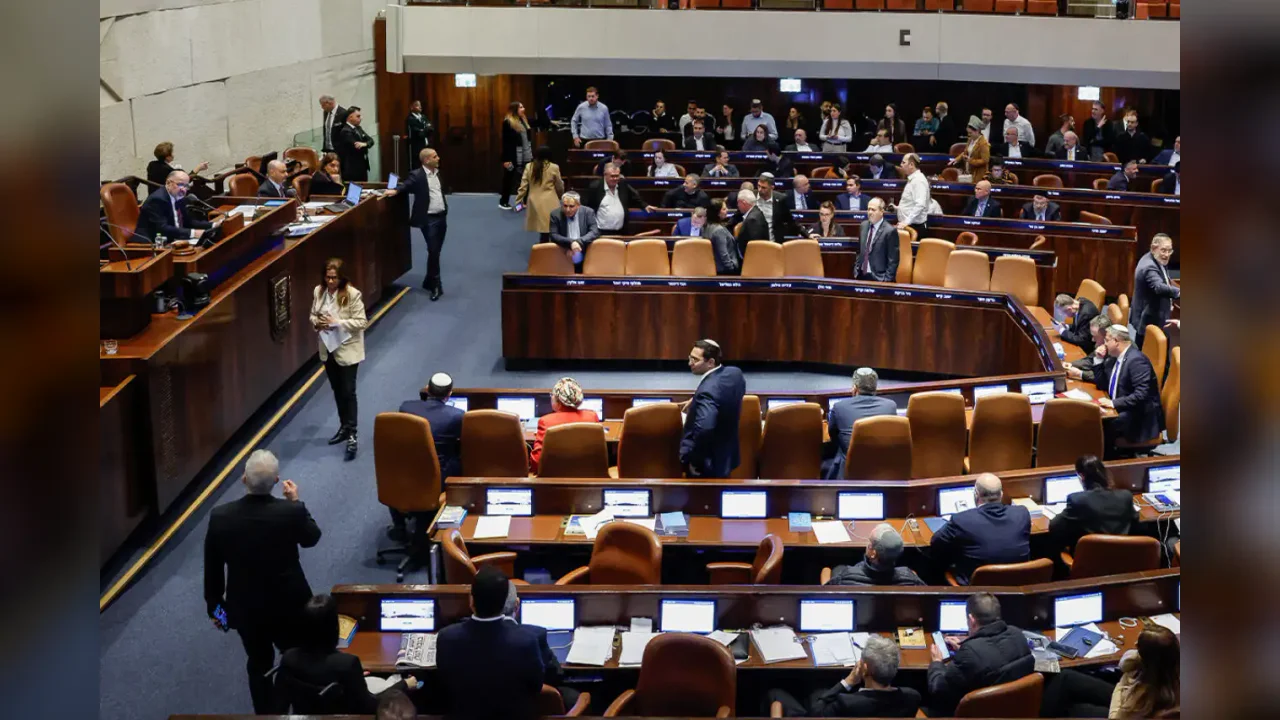
The 26th Knesset elections revealed major shifts as Likud won more votes but fewer seats, Netanyahu's bloc dropped to 53 mandates, and Arab parties surged to 19 seats amid a 78% voter turnout.
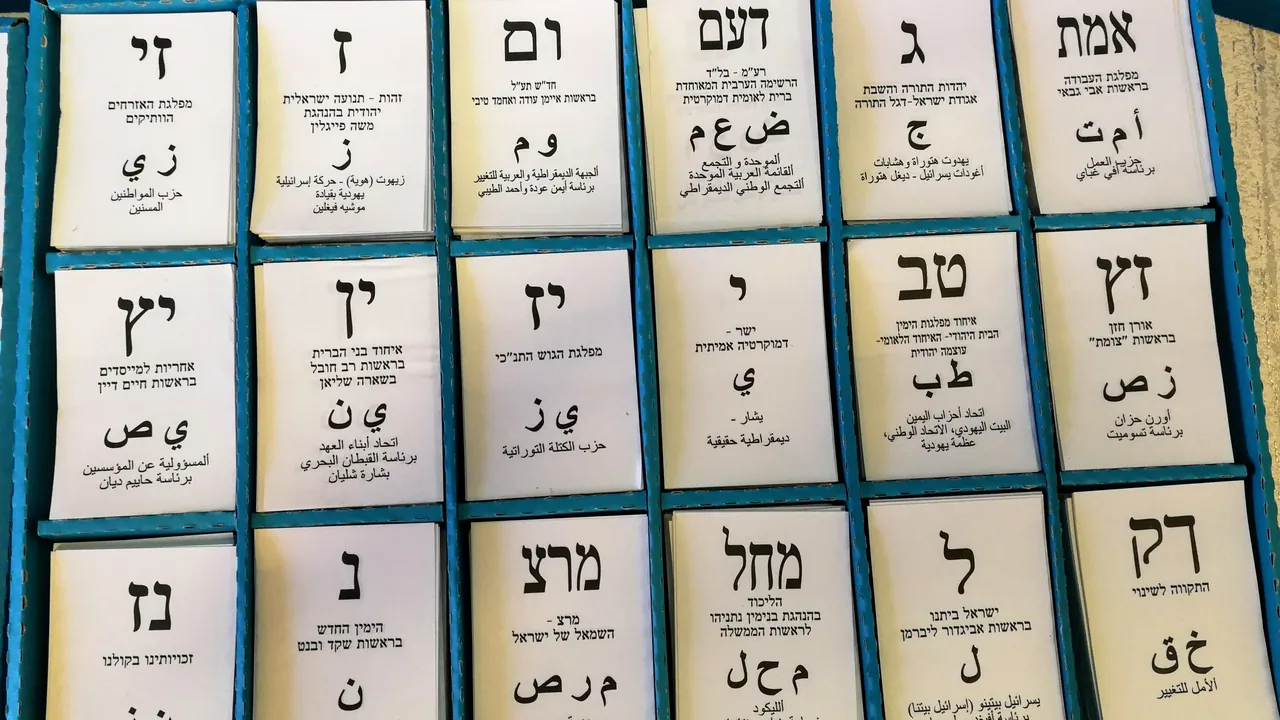
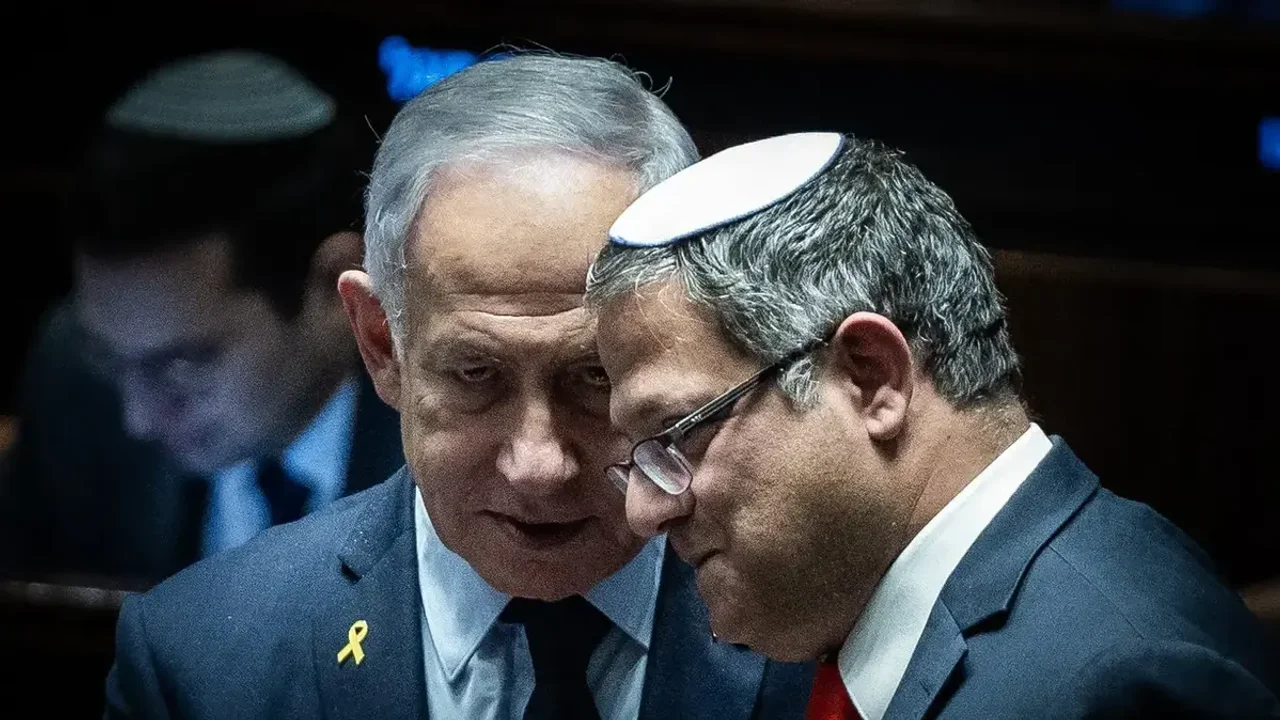
The final results of the 26th Knesset elections reveal a complex picture behind the distribution of 120 seats. While Likud remains the largest party in Israel, the right-wing bloc led by Prime Minister Benjamin Netanyahu dropped to 53 mandates, and Arab parties surged to 19 seats. A detailed comparison between the 2022 and 2026 elections shows that an increase in votes did not always translate into more parliamentary seats.
Surge in Voter Turnout and Changing Dynamics
In the 2022 elections, 4,794,593 Israelis cast their ballots, representing a 70.6% turnout. By 2026, the number of voters rose to 5,716,665, pushing turnout up to 78%. This massive influx of nearly 922,000 additional voters changed the electoral arithmetic. Parties needed significantly more votes just to maintain their relative strength. The Likud party gained over 52,000 additional votes compared to 2022, yet its seat count dropped from 32 to 27 mandates because the overall electorate expanded at a much faster rate.
Shas Losses and Arab Parties' Surge
Shas experienced a sharp decline, losing both votes and mandates. Aryeh Deri's party dropped from 11 mandates down to 6, receiving 299,506 votes compared to 392,964 in 2022. Electoral analysis points to a loss of traditional and religious voters, alongside lower turnout among Sephardic yeshiva graduates. Meanwhile, Arab parties made historic gains, rising from 10 to 19 mandates with a combined total of 837,400 votes, heavily impacting the relative weight of all other factions.
Rising Mandate Cost and Block Shifts
The general electoral quotient required for a single mandate rose sharply from 36,227 votes in 2022 to approximately 44,857 votes in 2026. Over 300,000 votes were wasted on lists that failed to cross the electoral threshold, including Yoaz Hendel and Yaron Zelecha's reserve and economic list. Ultimately, the gap between the major political blocks narrowed by over 226,000 votes, reshaping the Israeli political landscape.