Jerusalem Court Resumes Netanyahu Trial With Five Hearings Scheduled This Week
The Jerusalem District Court is holding five hearings this week in the trial of Prime Minister Benjamin Netanyahu, featuring testimony from investigator Tzachi Ben Artzi and former Attorney General Avichai Mandelblit.
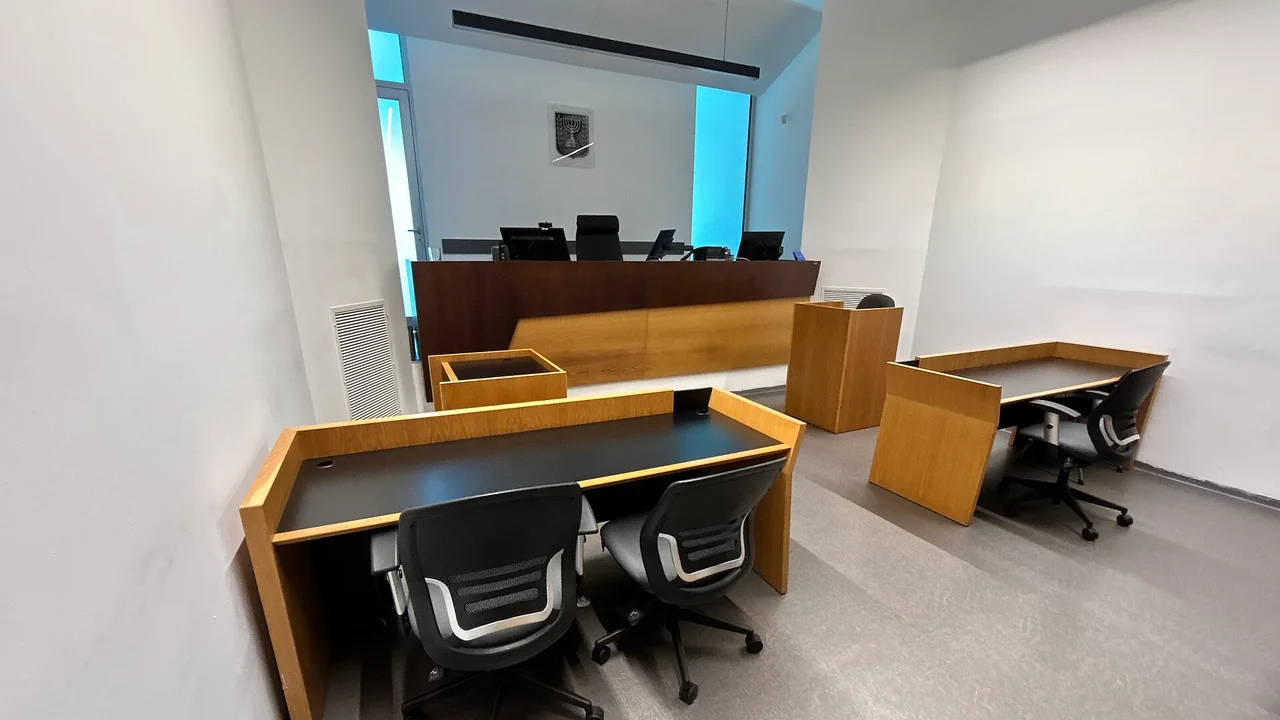
The Jerusalem District Court is scheduled to hold five hearings this week, running from Sunday through Thursday, as part of the ongoing trial of Prime Minister Benjamin Netanyahu.
Defense attorneys Amit Hadad and Noa Milstein requested that investigator Tzachi Ben Artzi testify on Sunday. On Monday, former Attorney General Avichai Mandelblit is set to return to the witness stand, where Hadad will continue his cross-examination.
Last week, a procedural hearing addressed the permissible scope of questioning for the former Attorney General, who has already testified across seven sessions. The panel of judges deliberated on whether to expand his testimony to allow additional questions beyond the approvals he previously granted for initiating police checks and criminal investigations against the Prime Minister.
During his previous testimony, Mandelblit confirmed that he authorized the questioning of Netanyahu under caution and greenlit investigations across all primary files: Case 1000, Case 2000, and Case 4000 involving Bezeq.
At the same time, he acknowledged that investigative flaws occurred during the probes, including pressure tactics applied to Nir Hefetz, a close associate of Netanyahu who later became a state witness. Mandelblit also confirmed ordering the cessation of wiretaps targeting Natan Eshel, despite a valid court order, out of concern that the surveillance would infringe on political matters unrelated to the investigation.
On Wednesday, the judges ruled by a 2-1 majority to limit Mandelblit's testimony strictly to his supervisory approvals, refusing to broaden the scope to other issues, noting that testimony from a former Attorney General remains an extraordinary exception.
Nevertheless, the defense retains the right to present investigative failures and arguments supporting its "abuse of process" defense through alternative witnesses and additional evidence as the trial proceeds.