Israel Regulators Vow to Block Anti-Competitive Energy Mega-Mergers
Israeli competition and electricity regulators vow to block anti-competitive mega-mergers in the energy sector, emphasizing massive infrastructure investments, grid stability, and measures to curb market concentration.
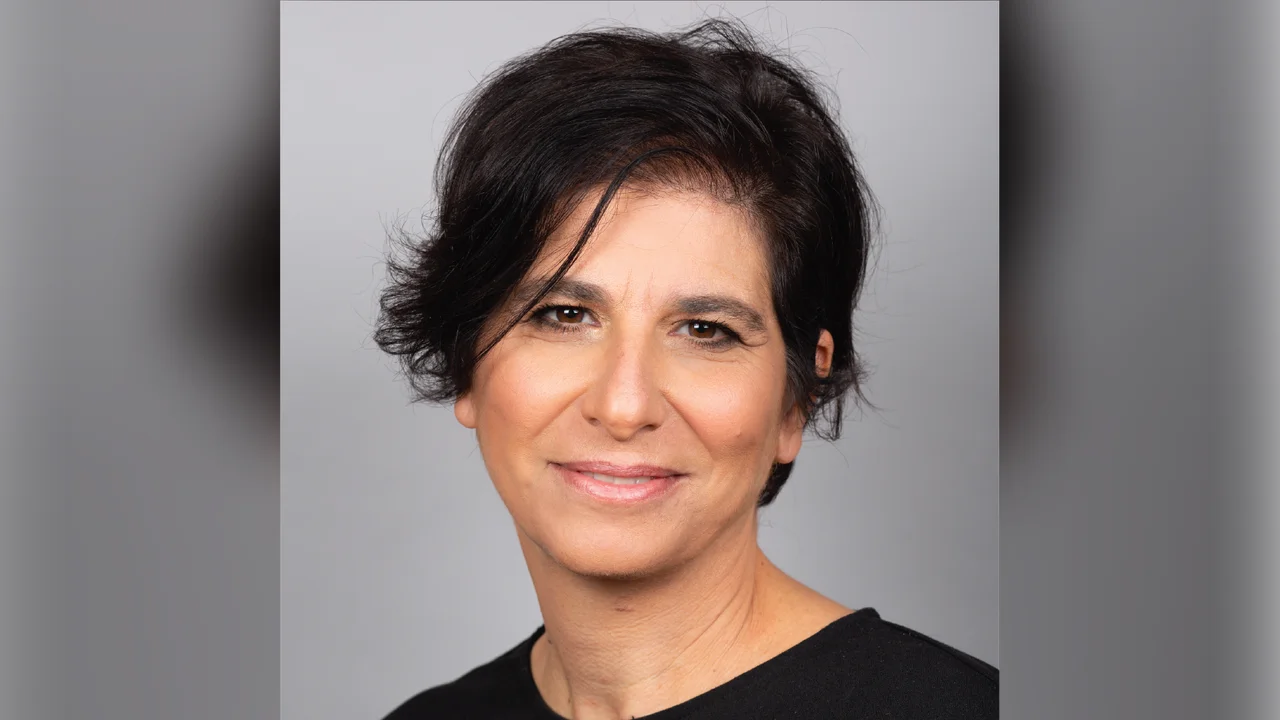
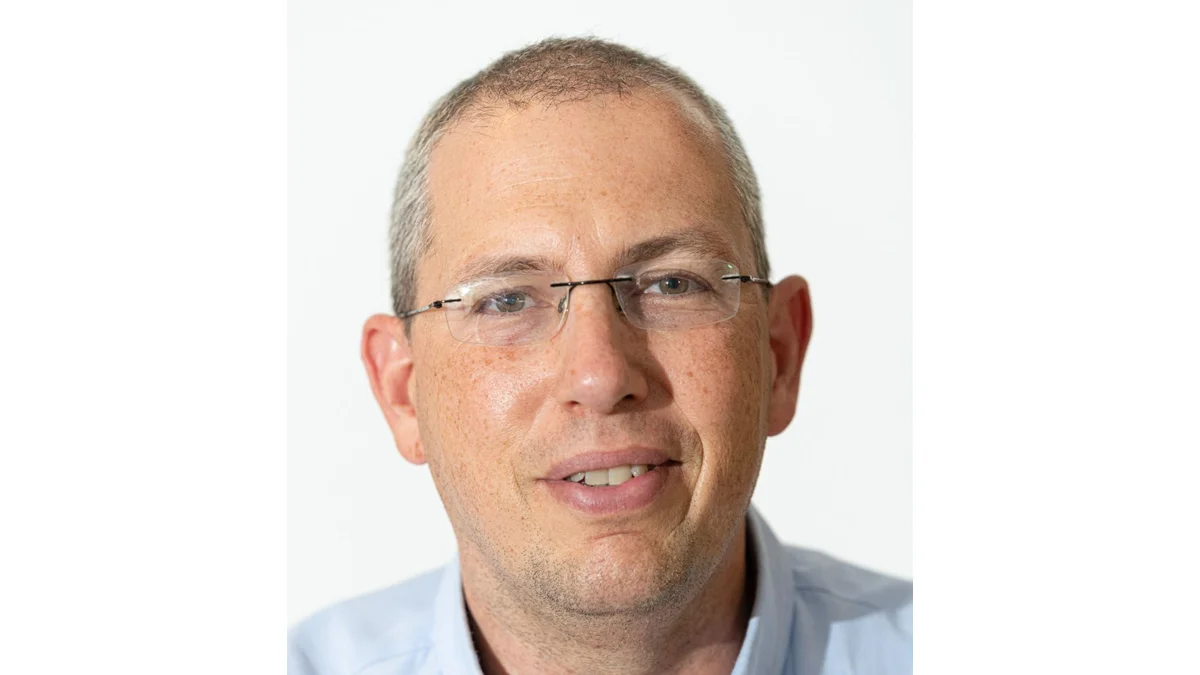
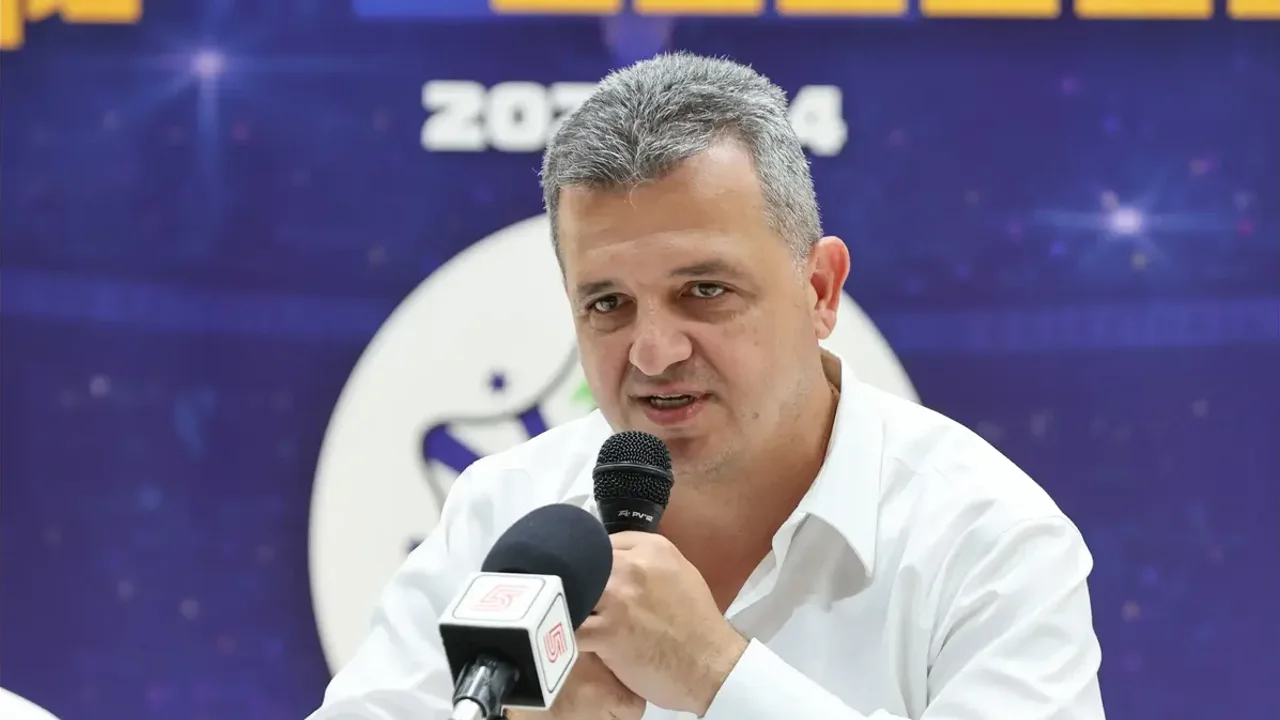
Competition in Israel's energy sector is entering a critical phase, as regulators address concerns over market concentration, potential mega-mergers, and the rapid growth of data centers. Michal Cohen, head of the Israel Competition Authority, and Amir Shavit, chairman of the Electricity Authority, outlined their regulatory strategies during a panel at the infrastructure conference hosted by Calcalist and Bank Leumi, moderated by Neta-Lee Binestock.
Addressing upcoming mega-deals, particularly the proposed merger between Generation Capital and Shikun & Binui Energy, Cohen firmly stated that the authorities will prevent the emergence of a dominant monopoly. "We will ensure this does not head toward becoming a second electric company. A deal that could harm competition will not be approved," Cohen emphasized, adding that the authority will thoroughly review all implications.
Shavit noted that the electricity market is undergoing an unprecedented wave of infrastructure investments, shifting from historical capacity additions of 2,000 megawatt-peaks per decade to a staggering 15,000 megawatt-peaks currently underway. He highlighted that at least five private power station groups are currently under construction alongside massive energy storage facilities, which will significantly reduce market concentration in the coming decade.
Both regulators addressed the ongoing debate regarding the Israel Electric Corporation (IEC) and its ambitions to re-enter power generation. While Shavit stressed the vital importance of the IEC focusing on natural monopoly infrastructure—noting a required 40 billion shekel investment in transmission and distribution networks—Cohen firmly rejected any return of the state-owned utility to generation activities, including proposals discussed during wartime to replace turbines.
Discussing the natural gas sector, Cohen pointed to the proven competitive impact of market diversification, citing Energean's recent 1.4-billion-dollar supply deal for the new Soreq power plant as a prime example of how independent gas reservoirs foster competition. Regarding the explosive growth of data centers, Shavit explained that the Electricity Authority had to implement regulatory caps to safeguard national grid stability, targeting a 2.0 percent capacity allocation for data centers—placing Israel second only to Ireland globally in relative terms.