Israeli Elections Deeply Divide American Jews Amid Rising Antisemitism and War
Upcoming Israeli elections on October 27 deeply divide American Jews across generational and political lines, compounding anxieties over rising antisemitism, the ongoing war in Gaza, and the future of U.S.-Israel relations.
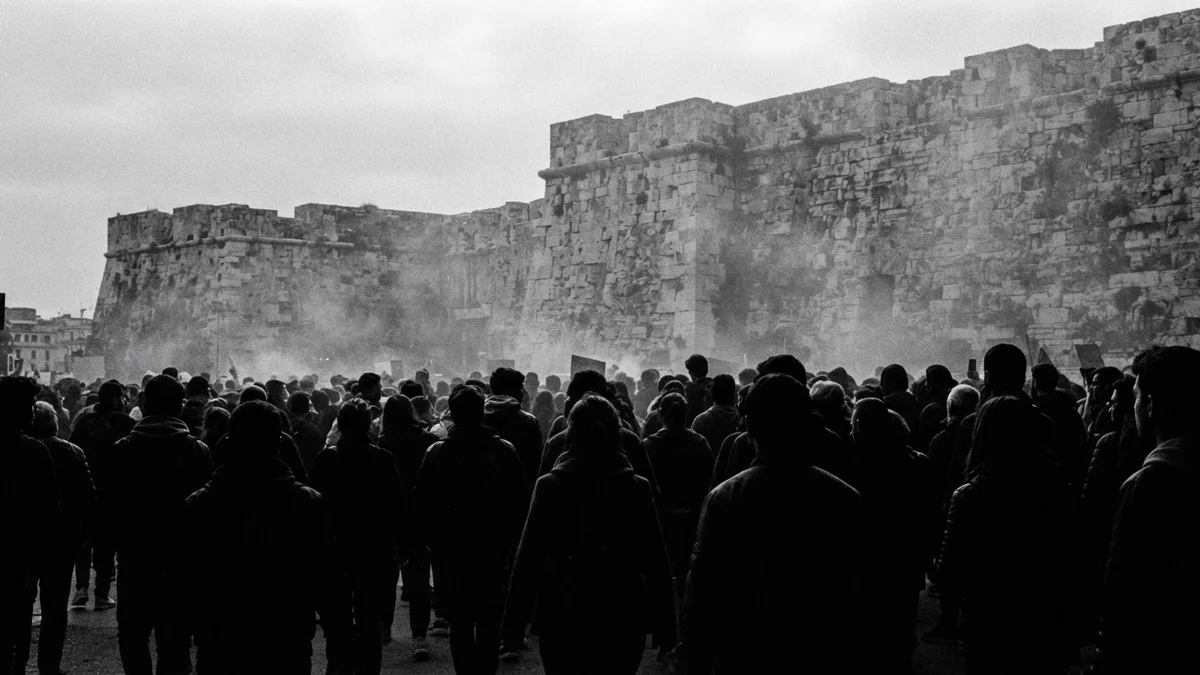
The upcoming Israeli elections on October 27 are generating intense interest and deep concern among American Jews, set against the backdrop of three years of conflict in the Middle East that have heightened divisions regarding Israel within American society. These divisions are manifested through street protests and the upcoming congressional midterm elections in early November.
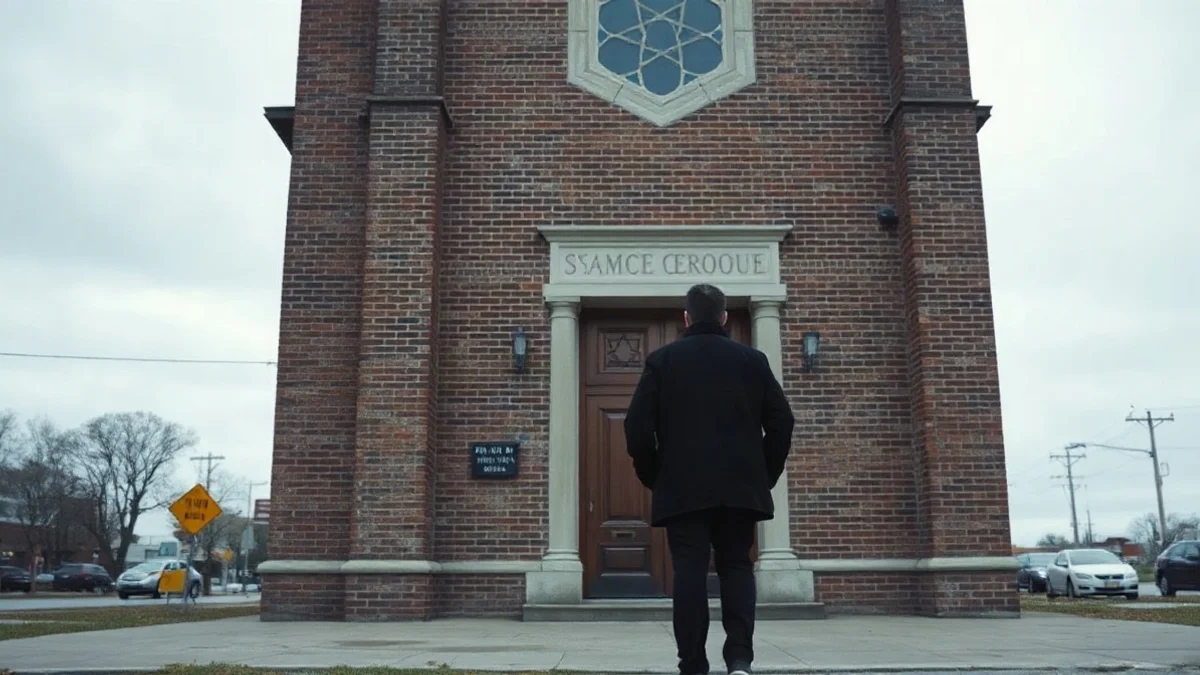
American Jews are deeply divided along political, religious, and frequently intergenerational lines regarding the desired outcome of the Israeli elections. The vote takes place under the shadow of the ongoing trauma of the October 7, 2023, Hamas terrorist attacks, which triggered the ongoing war in Gaza. Supporters of Prime Minister Benjamin Netanyahu, particularly within the Orthodox Jewish community, believe he is defending a nation they cherish and view as central to their identity. Conversely, many liberal and younger American Jews feel that his policies have damaged Israel's global standing and sparked widespread anger that threatens their own security in the United States amid rising antisemitism.
Generational Divides and Religious Perspectives
For many older religious Jews, support for Israel remains a core component of religious identity. However, polling indicates a significant generational shift. Only about four in ten religious Jewish adults under the age of 45 in the United States say that support for Israel is very or somewhat important to their Jewish identity, often prioritizing other forms of connection such as observing Jewish holidays.
Rabbi Josh Weinberg of the Union for Reform Judaism noted that many Reform Jews worry about the growing influence of ultra-Orthodox factions in Israeli politics, as well as settlement policies and the treatment of Palestinians in the West Bank, which they view as contrary to their values. If Netanyahu wins, Weinberg warns that younger American Jews may experience growing disillusionment and detachment from Israel.
The Shadow of Rising Antisemitism
Antisemitism remains a central concern for the community ahead of the elections. While some American Jews believe that a change in Israeli leadership and a renewed diplomatic focus on peace could alter how American Jews are perceived, critics of Netanyahu argue that antisemitic rhetoric and attacks will not simply cease with a change in government, particularly as anger over government policies is frequently weaponized to incite violence against Jewish communities abroad.
Stanley Weinstein, an Orthodox Jew from Florida, rejects much of the criticism directed at the IDF and Israeli decision-making, emphasizing the existential threats the country faces from militant groups like Hamas in Gaza, Hezbollah in Lebanon, and ongoing tensions with Iran. "I am shocked as an American. I am shocked as a Jew. And I say: Thank God for Israel," Weinstein said.
Broader Political Implications
Israel also occupies a prominent place in U.S. midterm elections, where voters will determine control of Congress. The elections in both nations could influence the long-standing alliance between Washington and Jerusalem. Despite domestic controversies and political shifts, leaders of major organizations like the American Jewish Committee emphasize that broad support for the existence of Israel and the bilateral relationship remains resilient.
Ultimately, beyond political affiliations, many American Jews share a profound anxiety over the social fabric of Israel. As Rabbi Dan Levin of Boca Raton, Florida, observed, the central question hanging over the October 27 vote is whether the results can help heal deep internal fractures and restore national unity.