Israel Enacts Sweeping Constitutional and Judicial Reforms Amid High Court Challenges
Israel's outgoing coalition enacted major constitutional reforms altering judicial appointments, police investigations, media oversight, and the attorney general's powers, facing intense legal challenges.
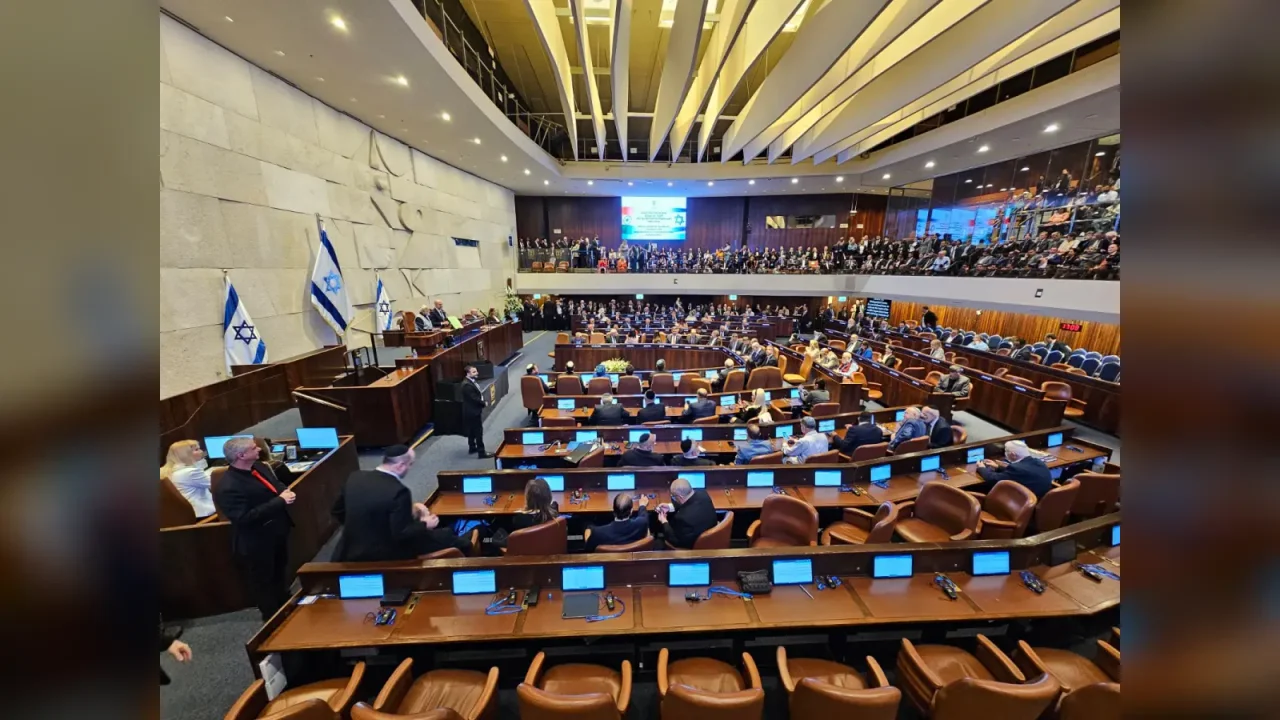
Israel's outgoing coalition has enacted a series of sweeping legislative changes aimed at restructuring the nation's constitutional framework. Pushed forward during the tenure of Prime Minister Benjamin Netanyahu and Justice Minister Yariv Levin, the reforms target the judiciary, law enforcement oversight, and media regulation, drawing intense opposition and pending challenges before the High Court of Justice.
Judicial Appointments and Oversight
The law altering the composition of the Judicial Selection Committee was approved in March 2025 after opposition lawmakers walked out of the Knesset. The legislation shifts appointment power away from professional legal experts toward politicians. Under the new rules, Israel Bar Association representatives are replaced by two professionals chosen jointly by the coalition and opposition, while judges lose their absolute veto over Supreme Court appointments. Attorney General Gali Baharav-Miara opposed the bill, warning it undermines judicial independence. The High Court has issued a conditional order against the legislation, with a ruling still pending.
Restructuring Internal Police Investigations
In June, the Knesset passed an amendment to the Police Ordinance, commonly known as the Department of Internal Police Investigations (Mahash) law. Initiated by MK Moshe Saada, the legislation removes Mahash from the State Attorney's Office and subjects it to the Ministry of Justice and political oversight. Critics, including the attorney general, warn that a specially appointed official could obstruct sensitive investigations while fast-tracking politically favored ones. Petitions against the law are currently before the High Court.
Media Regulation and Broadcast Authority
The High Court recently issued a conditional order requiring Communications Minister Shlomo Karhi and the government to justify why the newly enacted Broadcasting Communications Law should not be canceled. Passed three months prior to the elections, the law establishes the Broadcast Communications Authority to replace existing regulators and dismantles structural separations between channel owners and news divisions. Petitioners argue the legislation was fast-tracked without proper legal oversight and threatens independent journalism.
Attorney General's Authority
Contrary to early proposals to split the attorney general's role into legal adviser and public prosecutor, the final legislation significantly weakens the office's authority. While written legal opinions will technically reflect the law, the cabinet is empowered to decide they are no longer binding. Furthermore, the legislation subjects the attorney general to increased ministerial oversight by the Minister of Justice. Several petitions, including one by the Association for Civil Rights in Israel, have been filed against the measure.