Iranian State TV Profiles Gadi Eisenkot as Netanyahu's Key Rival
Iranian state television network Press TV has published an extensive profile on MK Gadi Eisenkot, analyzing his military background, political standing, and the Dahiya Doctrine. Experts note the coverage reflects Tehran's rigid stance that all Israeli leaders represent a hostile establishment.
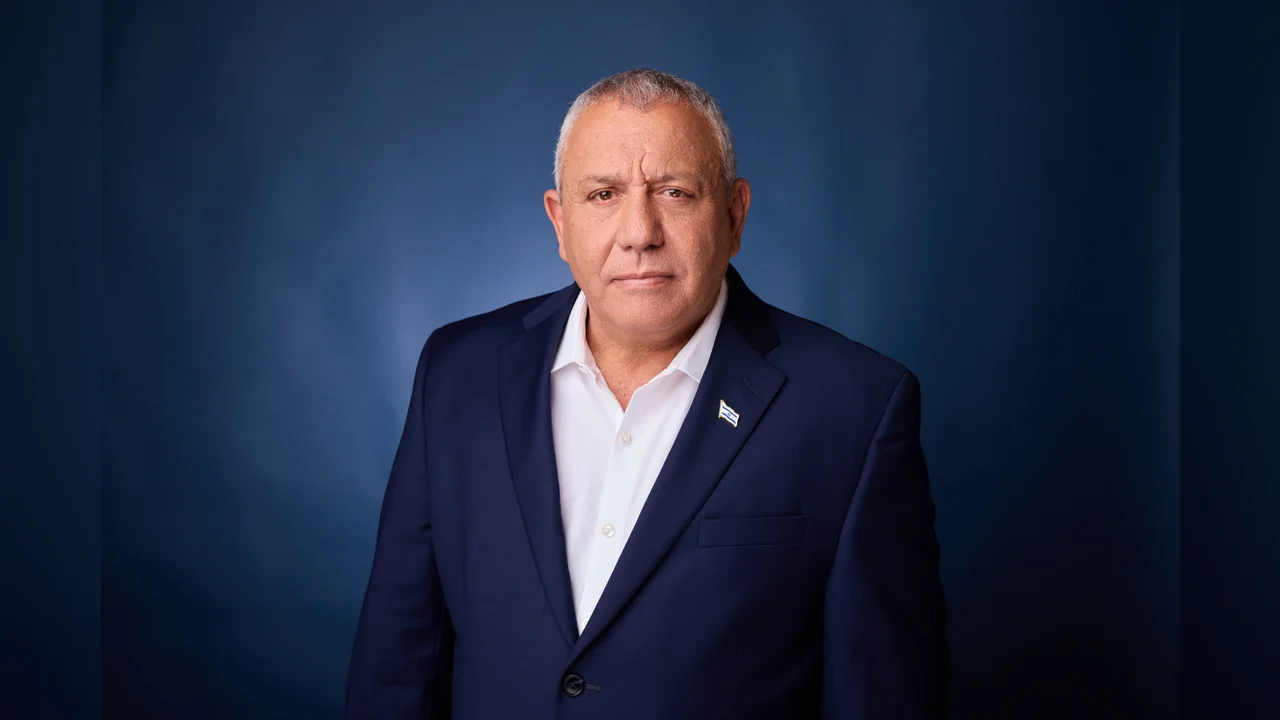
Iranian state-run English-language television network Press TV has dedicated an extensive profile to Knesset member and former IDF Chief of Staff Gadi Eisenkot, analyzing his military background, political rise, and positions. Titled "Who is Gadi Eisenkot, formerly Israel's 'top officer' and Netanyahu's main rival in upcoming elections," the report scrutinizes his career from his childhood in Tiberias and Eilat to his service in the Golani Brigade.
The Iranian broadcast brands Eisenkot as a "military hawk" and attributes what it terms "heinous crimes" to him, focusing heavily on his role as an architect of the "Dahiya Doctrine." According to the report, this strategy utilizes disproportionate force against civilian infrastructure as a deterrent, which Tehran labels a violation of international law. The report also highlights Eisenkot's personal loss during the war in Gaza, where his son Gal Meir was killed in Jabalia alongside two nephews, noting this tragedy has granted him significant political capital.
Despite detailing his poll numbers and opposition ties in a bid to unseat Prime Minister Benjamin Netanyahu, Press TV concludes that all Israeli candidates remain part of the same hostile establishment. The network asserts that Eisenkot exhibits extreme hostility toward Iran and the "Axis of Resistance," arguing that any transition in Jerusalem will not alter Tehran's strategic assessment.
Commenting on the coverage, Sima Shine, former head of the Mossad research division and senior researcher at INSS, notes that Tehran's detailed monitoring reflects a rigid ideological framework. "For the leadership in Tehran, it makes no difference who sits in the prime minister's office," Shine stated. By portraying a relatively moderate Israeli general as a brutal war figure, Iranian state media aims to convince its domestic audience that no genuine peace camp exists within Israel.