Iran Faces Severe Winter Energy Crisis Following Airstrike Damage
Iran faces a severe winter energy crisis after airstrikes damaged critical gas processing facilities, leaving the country with a massive daily deficit and threatening widespread blackouts.
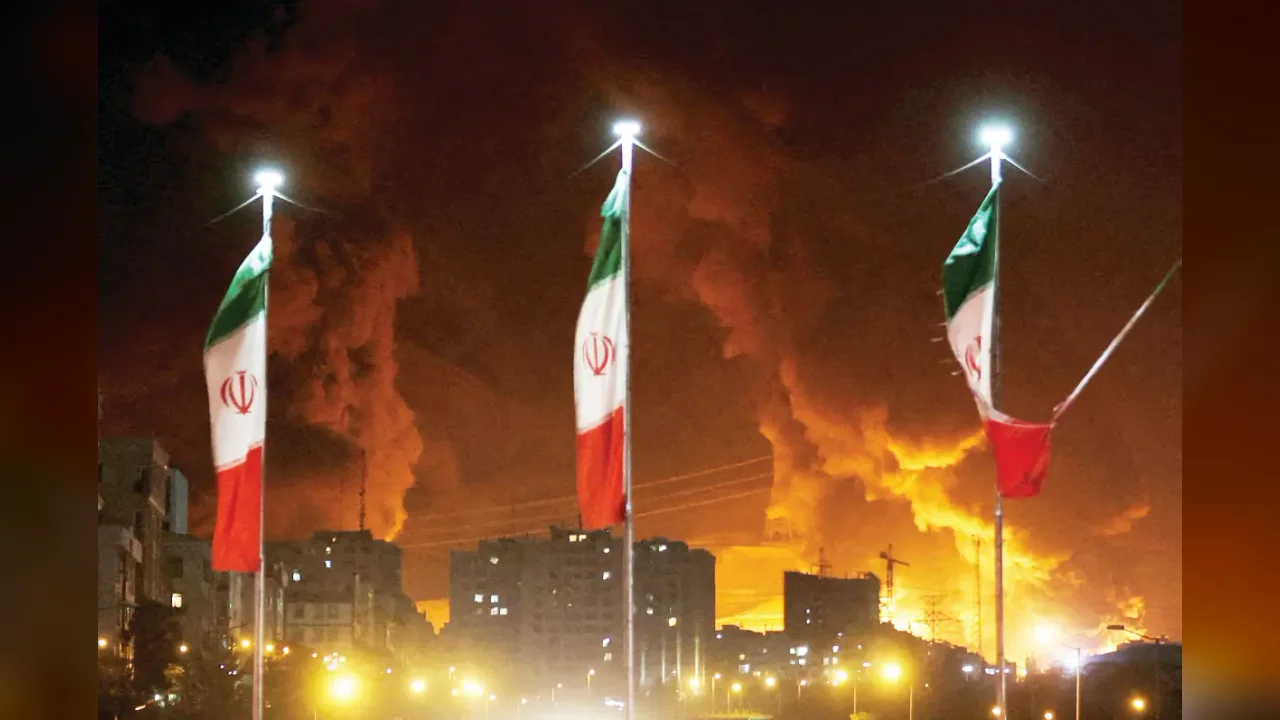
Iran is facing a severe winter energy crisis as sub-freezing temperatures approach, exacerbated by extensive damage to its natural gas processing facilities from recent US and Israeli airstrikes. Officials have warned that gas shortages could lead to widespread blackouts and the potential cutting off of entire cities during the cold season.
Impact of Airstrikes and Production Shortages
According to reports citing financial analysts, the crisis stems largely from precision strikes on infrastructure serving the South Pars gas field, which Iran shares with Qatar. The military actions degraded approximately one-fifth of Iran's daily gas processing capacity, which previously peaked at 1.1 billion cubic meters per day. Iranian energy authorities report that less than half of the lost production capacity has been restored, leaving the domestic market facing a daily deficit of roughly 400 million cubic meters.
President Masoud Pezeshkian criticized the infrastructure attacks during a speech at the Gas Exporting Countries Forum in Moscow, warning that the disruption of fuel supplies threatens global energy security and economic stability. Meanwhile, Iranian Vice President Mohammad-Reza Aref urged the public to cooperate with energy conservation measures, threatening higher tariffs and supply cutoffs for heavy consumers. Parliamentary Speaker Mohammad-Bakr Qalibaf called for a national effort to reduce natural gas consumption by 10 percent, while public sector employees have been ordered to work remotely at least two days a week.
Efforts to Secure Russian Gas Imports
To counter the shortfall, Tehran is actively negotiating a long-term agreement to import approximately 55 billion cubic meters of natural gas annually from Russia via Azerbaijan. Acting Oil Minister Hamid Buward discussed the progress of these talks during a visit to Moscow. However, industry experts note that it remains uncertain whether initial Russian gas shipments will arrive in time to alleviate the pressing shortages expected this winter.
Because natural gas accounts for roughly 80 percent of Iran's electricity generation, severe supply disruptions threaten not only home heating but also the stability of the national power grid. In past winters, authorities curtailed industrial gas supplies to prioritize residential heating, but officials warn that this year's damage may force unprecedented emergency measures.