Iran Faces Deep Economic Crisis Amid Regional Tensions and Rising Oil Prices
Rising energy prices and a collapsing economy push Iran toward a critical juncture, as the regime struggles with domestic unrest, plunging oil exports, and mounting international isolation.
Rising energy prices and looming elections in Israel and the United States converge on Tehran, where soaring oil prices reflect market anxiety over potential renewed escalation with Iran. While oil climbs past $110 a barrel, a very different reality unfolds inside Iran, where the regime faces severe economic collapse and an impending domestic crisis.
The Collapse of Iran's Economy
Amid regional tensions, the Islamic Revolutionary Guard Corps has stepped up attacks on tankers in the Strait of Hormuz, drastically reducing the flow of oil through the strategic waterway. UBS data shows that throughput plummeted from roughly 17 million barrels per day in early October to just 9.1 million barrels per day recently.
While this tightening supply drives global energy prices upward, Iran's economic situation is perilous. According to the International Monetary Fund, the Iranian economy is expected to contract by approximately 7.6% by the end of the year. Energy analytics firm Kpler noted that due to US blockades, no Iranian oil remains outside the Hormuz, and revenues from crude oil could drop to zero by mid-December.
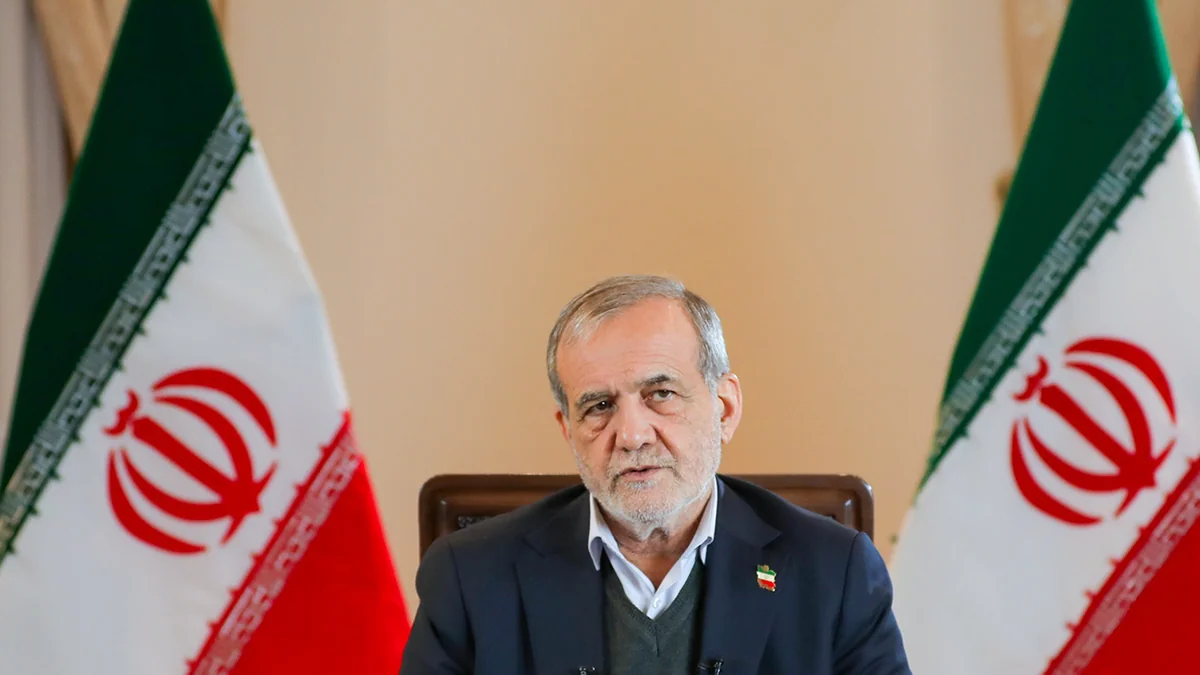
Iranian President Masoud Pezeshkian has not hidden the internal crisis, warning citizens of severe energy pressures ahead of the winter season. "If we do not control the situation, we will be forced to close a large number of state institutions," he stated.
A Disconnect Between Leadership and the People
Dr. Ella Rosenberg, an Iran expert at the Jerusalem Center for Foreign Affairs and Security, points out a deep disconnect between the leadership and the public. She notes that while the regime's resource drain resembles the twilight of the Soviet Union, a potential regime collapse could happen unexpectedly. Inflation has soared to nearly 90%, and severe food and heating shortages threaten the population once again.
Meanwhile, Beni Sabti, an Iran expert at the Institute for National Security Studies, suggests that Tehran's primary interest is to maintain political instability in Israel and the United States without triggering a direct military conflict. By allowing political processes and upcoming elections to proceed, Tehran hopes to avoid providing justification for a major retaliatory strike from Washington or Jerusalem.