Study Warns Instant Noodle Cups May Release Hundreds of Microplastics
A new study reveals that instant noodles in disposable cups may release hundreds of microplastic particles when exposed to hot water, though health risks remain unproven.
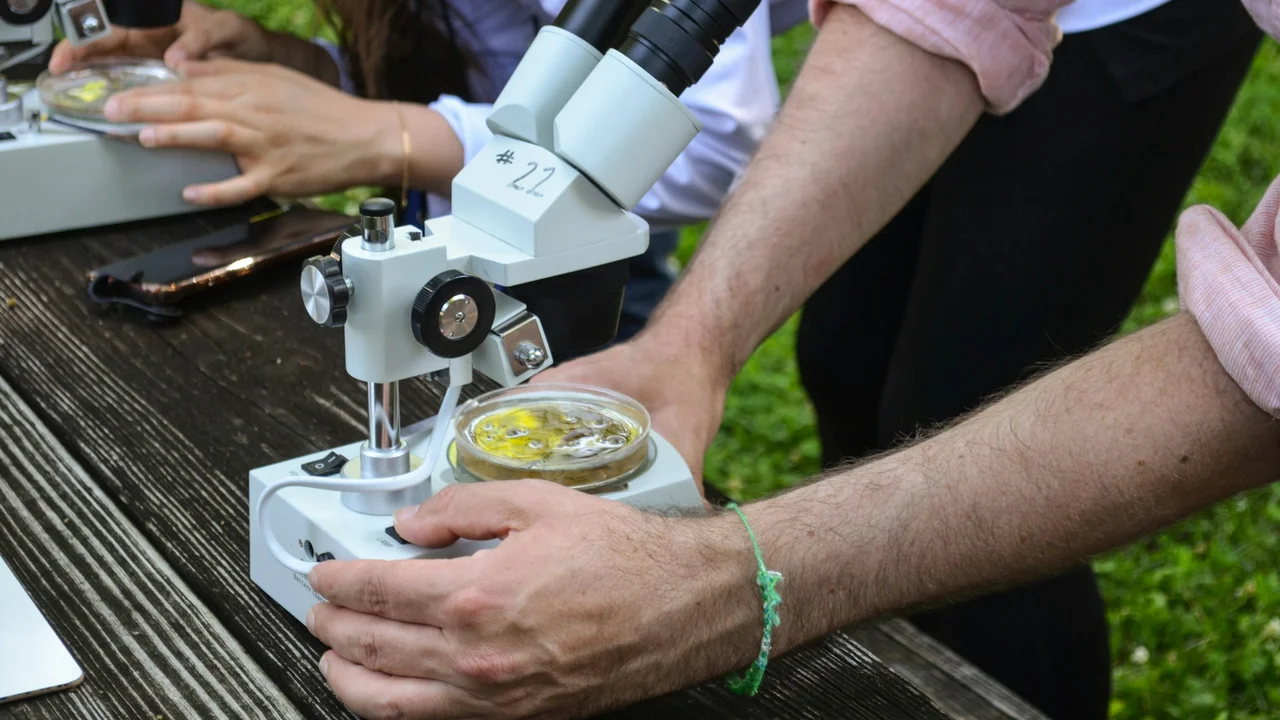
A recent study published in the Journal of Food Composition and Analysis reveals that consuming instant noodles from disposable cups may lead to the ingestion of hundreds of tiny plastic particles released from the packaging when exposed to hot water. Researchers analyzed 20 noodle samples across ten commercial brands from China, Japan, South Korea, and Thailand, pouring 95-degree Celsius water into the containers to simulate preparation.
Microplastic particles were detected in all tested samples, averaging approximately 318 particles per cup. The identified materials included polyethylene and polypropylene, commonly used in packaging. Based on these findings, researchers estimate that frequent consumers could ingest over 1,000 microplastic particles weekly from this source alone, though this remains an experimental projection rather than direct biological measurement.
Experimental Conditions and Health Implications
Experts note that the study's experimental conditions involved prolonged exposure, with water left in the cups for about 35 minutes alongside vigorous agitation, significantly exceeding the standard three-to-five-minute preparation time recommended for consumers.
While microplastics have previously been detected in various human biological tissues, regulatory bodies such as the U.S. Food and Drug Administration (FDA) and the European Food Safety Authority (EFSA) state that current scientific evidence does not prove that microplastic levels found in food cause direct harm to human health, though researchers urge further investigation into safer packaging alternatives.