Hormuz Shipping Risks Drain Gulf Oil Profits Despite Surging Exports
Persian Gulf oil exports thrive despite Iranian threats in the Strait of Hormuz, but skyrocketing shipping and insurance costs consume 30 percent of revenues, squeezing producers and fueling global inflation.
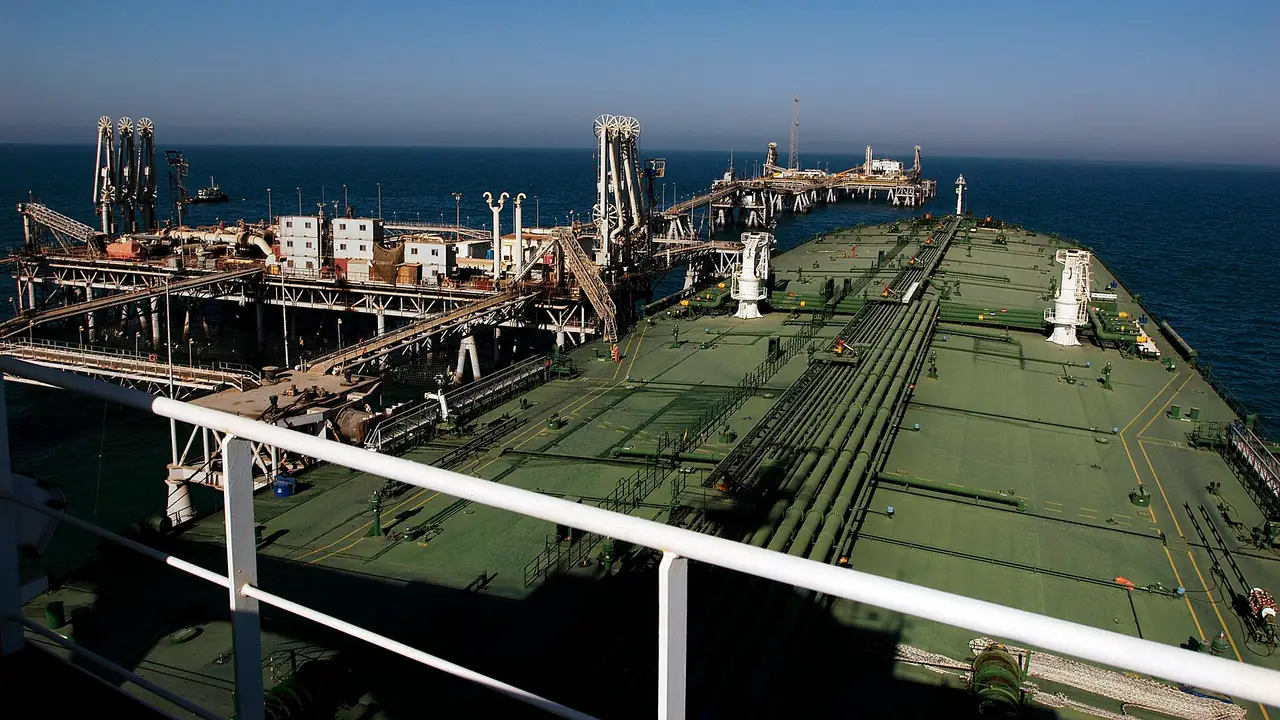
Despite ongoing Iranian attacks in the Strait of Hormuz, Persian Gulf oil exports continue to flow, but astronomical shipping and insurance risks are draining profits from producers. According to OPEC data, out of a $100 barrel of oil, Gulf exporters receive only about $70. The remaining 30% goes to shipping companies willing to navigate the perilous waters under the cover of darkness with transponders disabled, as well as to marine insurers covering the high-risk voyages.
Record Export Volumes Amid High Prices
Crude prices have hovered around $100 per barrel for Brent crude in recent weeks, even as export volumes from the Gulf surged. Despite Iranian efforts to target vessels in the strategic chokepoint, September oil exports from the region reached a peak of 18.9 million barrels per day, including petroleum products. This matched pre-war export levels excluding Iran, whose own exports remain severely restricted by US counter-blockades.
Although export volumes dipped slightly to 17.1 million barrels per day on average in October, the figures remain exceptionally high compared to earlier stages of the conflict. Brent crude peaked at over $110 per barrel before easing to around $97 amid hopes for US-Iran diplomatic talks. Nevertheless, prices remain substantially higher than at the start of 2026, when Brent traded near $60.
Skyrocketing Transit and Insurance Costs
To mitigate risks, the US military launched a targeted operation in early September to degrade Iranian tracking and strike capabilities in the region. Concurrently, Gulf oil exporters have tripled transit incentives for Hormuz crossings, offering over $1.2 million per day of sailing—a dramatic increase from pre-war rates of just tens of thousands of dollars.
Such lucrative payouts have enticed shipping firms, such as South Korea's Sinokor, to conduct regular ship-to-ship oil transfers outside the strait, operating with lights and transponders turned off. While the strategy succeeds in moving crude, several vessels have sustained damage from Iranian fire. Pre-war shipping and insurance costs averaged mere dollars per barrel, but have now surged twentyfold to tens of dollars per barrel.
OPEC estimates that roughly 30% of the final consumer price stems directly from logistics and insurance premiums, compensating operators for navigating hostile waters exposed to missile and drone strikes. OPEC warned that these exceptionally high logistics costs ripple through the global value chain, burdening both producers and consumers while fueling inflationary pressures across the global economy.