Americans to Spend Record 13.5 Billion Dollars on Halloween Amid Inflation
Americans plan to spend a record 13.5 billion dollars on Halloween this year amid surging inflation on pumpkins, sugar, and chocolate. While prices remain elevated, consumers are shifting to smaller packages and value alternatives as retailers offer deep discounts.
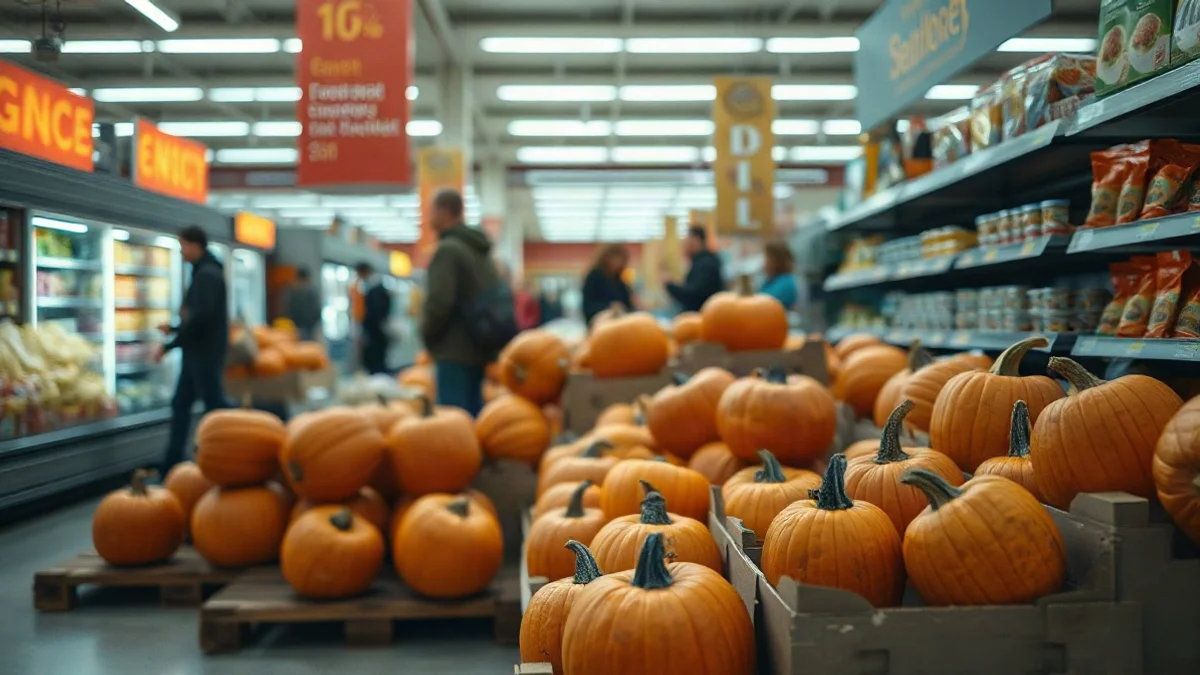
Americans are expected to spend a record 13.5 billion dollars on Halloween this year, up from 13.1 billion last year, despite growing financial pressures and surging inflation affecting everything from pumpkins to candy, according to the National Retail Federation (NRF).
"Consumers continue to prioritize the holiday, but they are paying close attention to prices," said Allison Zeller, vice president at the NRF. Inflation is hitting multiple categories, with the average price of a pumpkin reaching 5.36 dollars, an 11 percent increase since September 2020, driven by droughts that slashed crop yields in parts of Texas by 30 to 40 percent. Meanwhile, September prices for candy and chewing gum rose 7.7 percent year-over-year, while the broader sugar and sweets category increased by 5.5 percent due to extreme weather impacting sugarcane harvests in Brazil and other key growing regions.
Chocolate Prices Remain High Despite Commodity Drops
Chocolate prices tell a similar story. Although cocoa futures have dropped sharply from their historic highs, the relief has not yet reached store shelves because most chocolate sold this season was manufactured from cocoa purchased six to 12 months in advance. Wells Fargo estimates that chocolate prices are roughly 8 percent higher than last year, and up 5 to 8 percent even after promotional discounts.
According to market research firm NIQ, chocolate sales dropped 7.2 percent in the nine weeks leading up to October 17, particularly in milk chocolate, while overall sales of candy, gum, and mints fell 6.7 percent. In response, shoppers are shifting toward smaller packaging formats, with sales of such packs surging 24 percent. Wells Fargo analysts expect consumers to continue gravitating toward value packs and cocoa-alternative treats like gummy candies, sour sweets, wafers, and caramel. Major retailers such as Walmart and Target are attempting to stimulate demand through aggressive promotional discounts.
Corporate Impact and Market Reaction
Market pressures are also impacting confectionery giants. The Hershey Company, which reported its third-quarter earnings, lowered its organic growth forecast for 2026 to 3 percent down from a previous range of 3 to 3.5 percent, signaling flat growth for the fourth quarter according to Jefferies analyst Scott Marks. Hershey CEO Kirk Tanner noted that the company favors targeted promotions over across-the-board price cuts. Consequently, several analysts lowered their price targets for the stock, reducing the 2027 earnings per share projection by 3.7 percent to 9.49 dollars.
Despite the lowered forecasts, Hershey shares rose 3.3 percent on Wall Street as investors rotated funds out of collapsing artificial intelligence stocks and into defensive consumer staple equities.