Golan Heights Druze Communities See Surge in Voter Turnout for Knesset Elections
Golan Heights Druze communities registered a sharp increase in voter turnout for the 26th Knesset elections, driven by changing social dynamics and regional events in Syria.
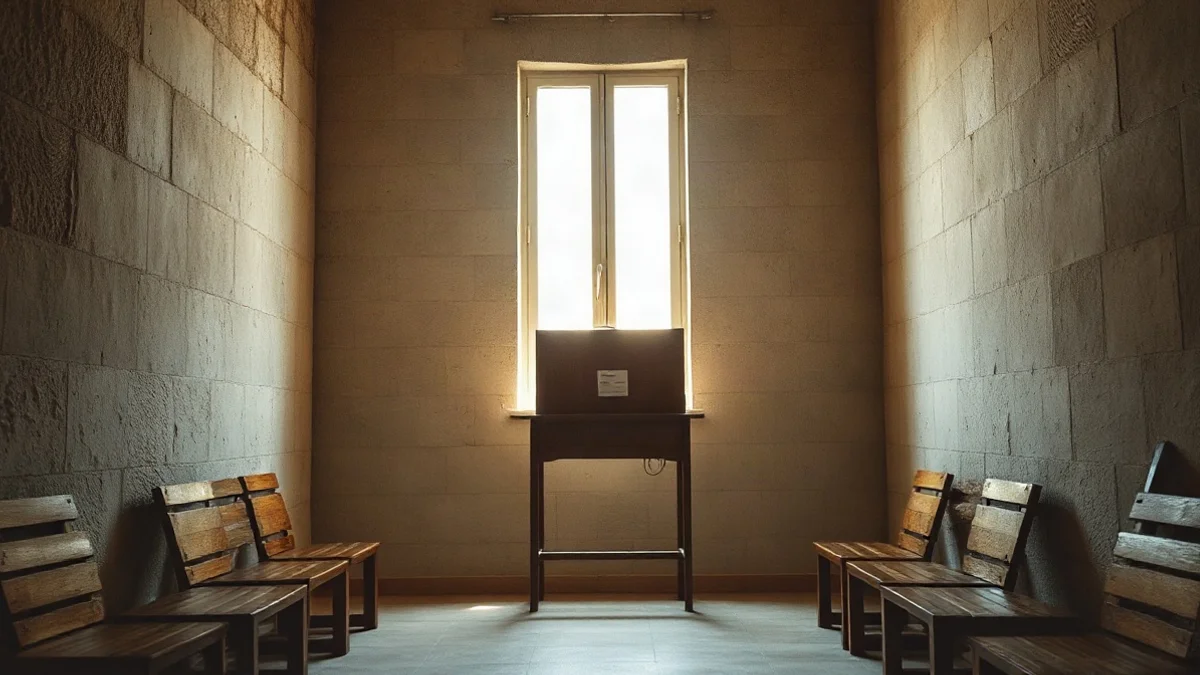
A significant shift in political engagement has been recorded among the Druze communities in the Golan Heights, traditionally characterized by low voter turnout and deep historical ties to Syria. Preliminary data from the recent 26th Knesset elections indicate a marked increase in participation across Majdal Shams, Buq'ata, Mas'ade, and Ein Qiniyye, reflecting a growing process of integration within Israeli society.
In Majdal Shams, voter turnout reached 40.2%, compared to 23.4% in the previous elections held in November 2022. Buq'ata saw 48.8% of eligible voters cast their ballots, up from 25.4%, while Mas'ade recorded 44.8%, compared to 22.6% previously. In Ein Qiniyye, preliminary figures showed a turnout of 46.4%. While these figures remain partial and exclude double-envelopes, they highlight a clear transformation in local political behavior.
Political Preferences and Voting Patterns
Most voters in the Golan backed the change bloc and right-leaning parties. In Buq'ata, Avigdor Lieberman's Yisrael Beytenu secured the top spot, followed by the Yashar party led by Gadi Eisenkot, Likud, and The Democrats. In Majdal Shams, Yisrael Beytenu led with 529 votes, narrowly beating Yashar, which received 524 votes, followed by Likud (151) and The Democrats (125).
Ein Qiniyye also favored Yisrael Beytenu with 141 votes, closely followed by Israel Tahila, headed by Sharren Haskel, which garnered 110 votes—likely influenced by Ein Qiniyye Council Head Wael Moughrabi running in the fourth spot on the party's list. Eisenkot's Yashar placed third with 51 votes, and Likud fourth with 32. In Mas'ade, Likud captured first place with 309 votes, followed by Yashar with 127, Likud's local baseline, and The Democrats.
Impact of Regional Events and Shifting Identity
Local residents and community figures attribute the surge in turnout to a combination of evolving social consciousness, rising education levels, and profound regional developments, particularly the violent events and massacres targeting Druze communities in Syria under the rule of Ahmed al-Sharaa following the fall of Bashar al-Assad.
Khozam Sobh, a former Buq'ata local council member and social work student, noted that the tragic events in Syria and the Majdal Shams rocket attack—where 12 children and teenagers were killed by Hezbollah—deeply impacted the community.
«The younger generation feels a growing sense of belonging to the State of Israel. They want to have a voice, participate in decision-making, and influence the political leadership.»