Global Airfares Set to Remain High Through 2027 Amid Jet Fuel Crisis
Global airfares will remain high through 2027 due to soaring jet fuel costs, operational burdens, and a structural shift toward premium travel models among major airlines.
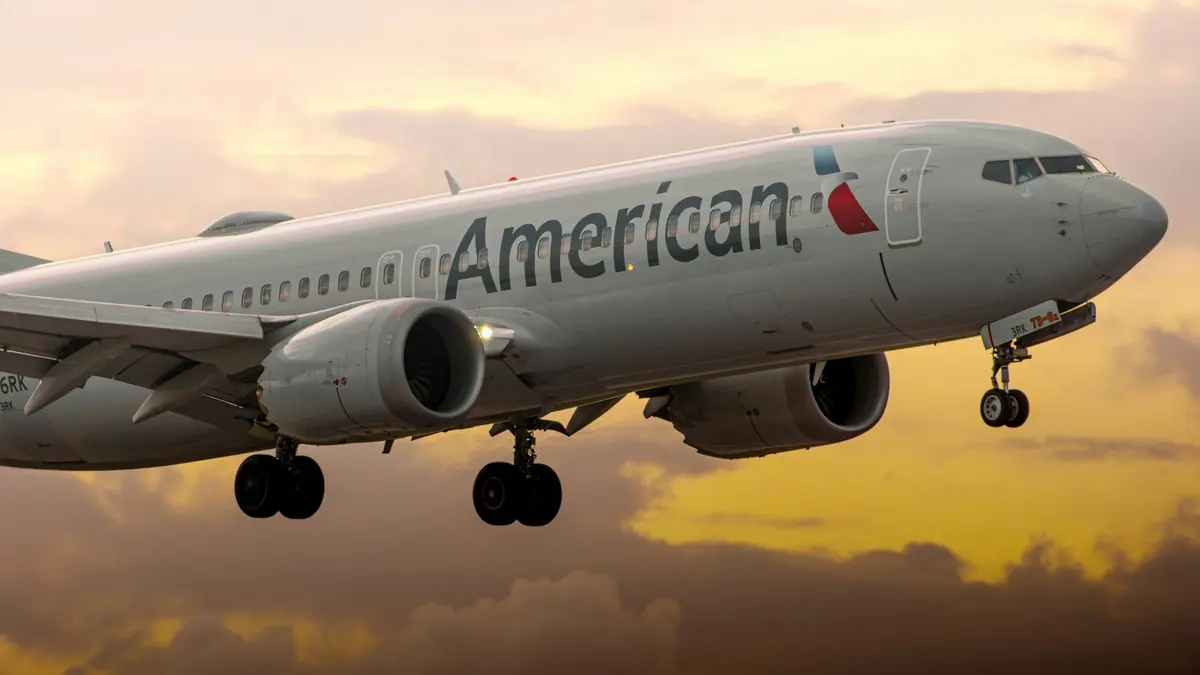
Global aviation faces a prolonged crisis as soaring jet fuel costs and structural shifts in the industry guarantee that airfares will remain high at least through 2027, according to industry data. Even if geopolitical tensions in Iran subside, carriers continue to grapple with severe operational pressures.
The global airline industry is confronting a sharp rise in operating expenses, led by jet fuel, which surged following the energy crisis and the closure of the Strait of Hormuz. Although fuel prices retreated slightly after doubling in March, they have resumed an upward trajectory since July, driving up overall travel costs.
Surging Fares and Rising Operational Burdens
Data from the United States illustrates the magnitude of the price hikes, with September airfares standing 22% higher than in the same month last year. According to the Hopper app, a Thanksgiving round-trip ticket jumped by nearly 39% year-over-year to approximately $389, while Christmas fares recorded a 22% increase to an average of $452.
Fuel accounts for roughly 30% of operating expenses, adding $1.9 billion to the quarterly bill of U.S. carriers United Airlines and American Airlines. Beyond fuel, airlines are absorbing a 7% to 10% increase in labor costs stemming from new collective bargaining agreements, alongside a rise of up to 14% in airport landing fees and leasing charges.
Shift in Business Models and the Fate of Low-Cost Carriers
Ryanair's CEO recently warned of the steepest price hikes in European aviation history, while United Airlines CEO Scott Kirby stated that most carriers are projected to end 2026 in the red, making elevated fare levels a necessity for survival.
Beyond cost pressures, the sector is undergoing a fundamental business model transformation. Rather than slashing prices to fill aircraft as in the past, airlines now prefer flying with empty seats to protect profitability. Wealthy travelers remain undeterred by high prices, turning premium and business-class ticket sales into the primary profit engine, accounting for over half of revenues.
This trend deals a severe blow to the traditional low-cost model. Spirit Airlines collapsed and shut down in May after failing to cope with soaring costs, and other budget carriers are struggling to survive. Even Southwest Airlines has begun charging baggage fees and converting standard seats into higher-priced premium options. Industry experts predict carriers will maintain strict fare discipline to defend profit margins. Meanwhile, easyJet faced steep profit drops due to fuel costs and was officially sold in August 2026 following a bidding war.