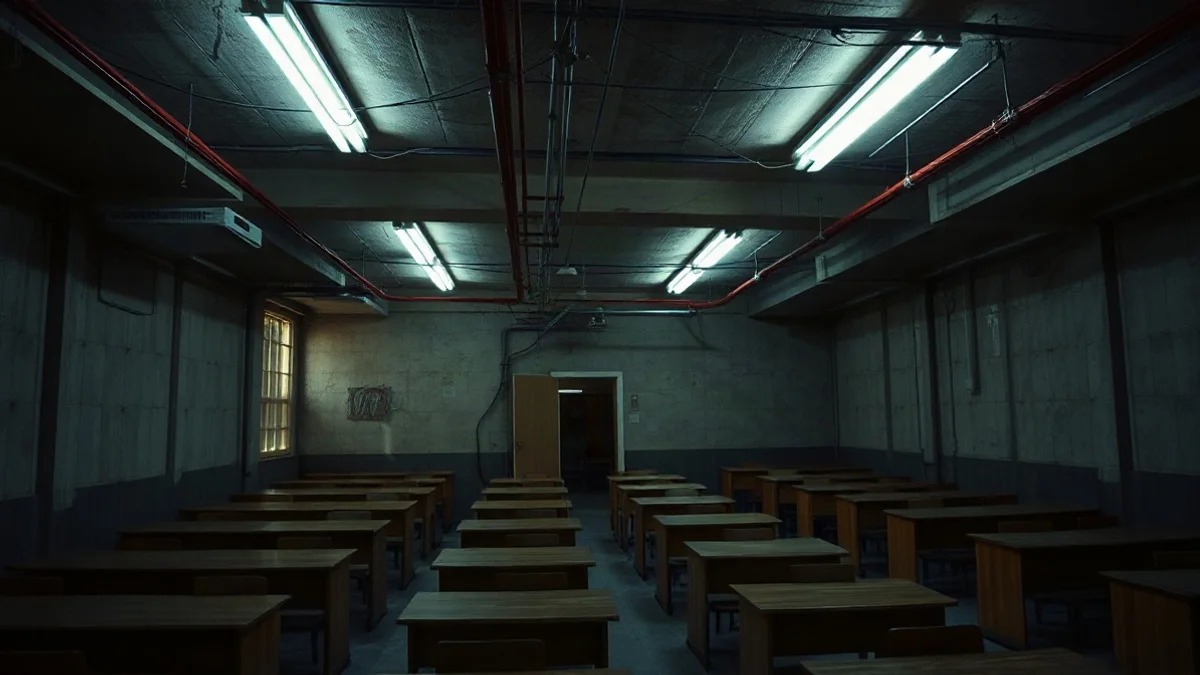
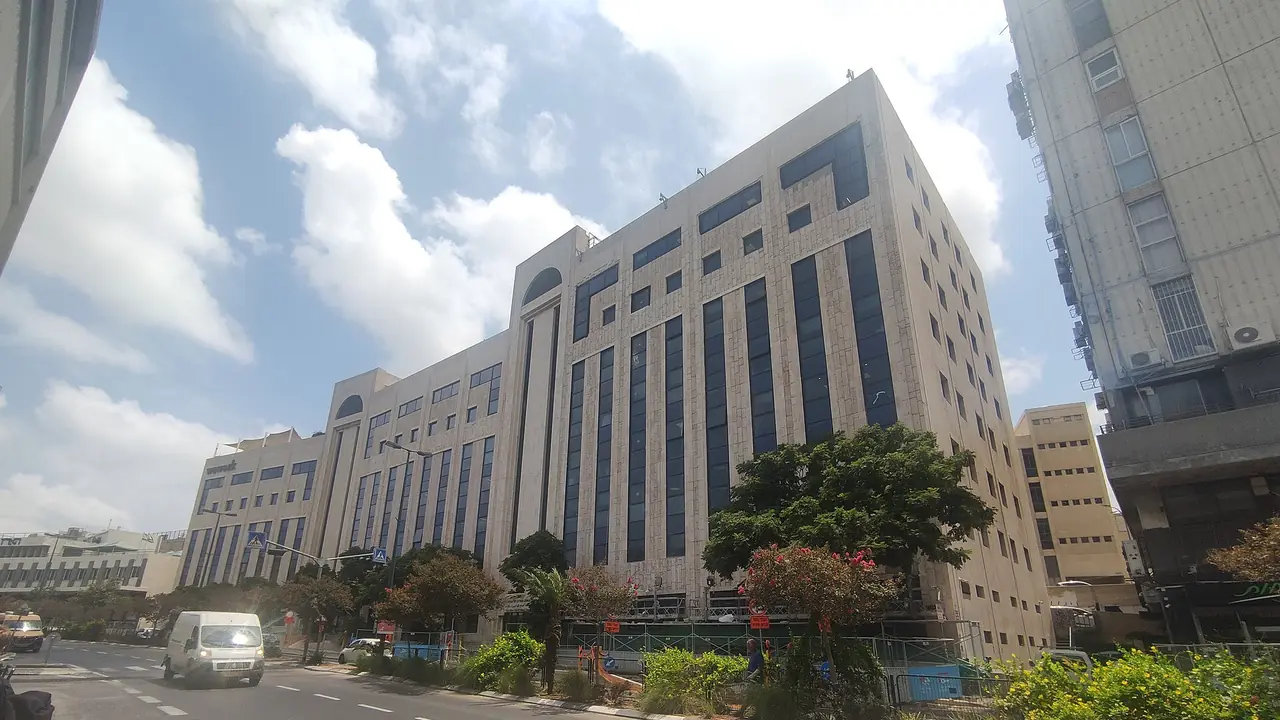
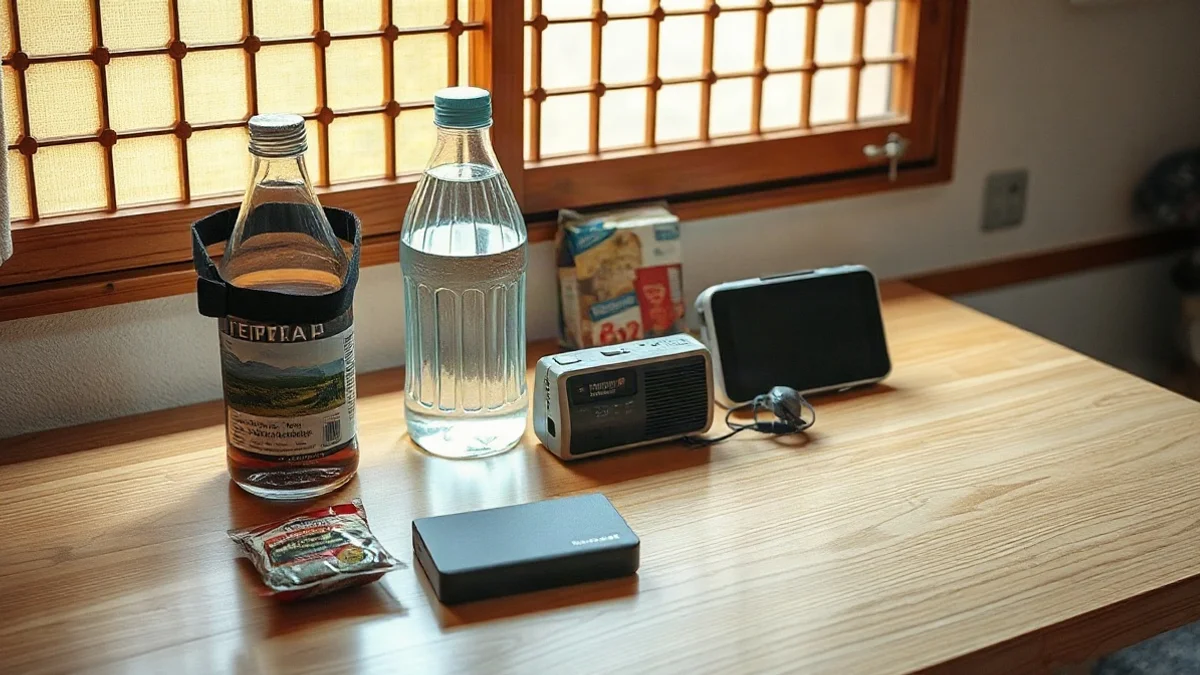
Israel Prioritizes In-Person Learning for Young Students in New Emergency Policy
Israel's Education Ministry has introduced new emergency protocols prioritizing in-person learning for young children following extensive reviews highlighting the limitations of Zoom education.
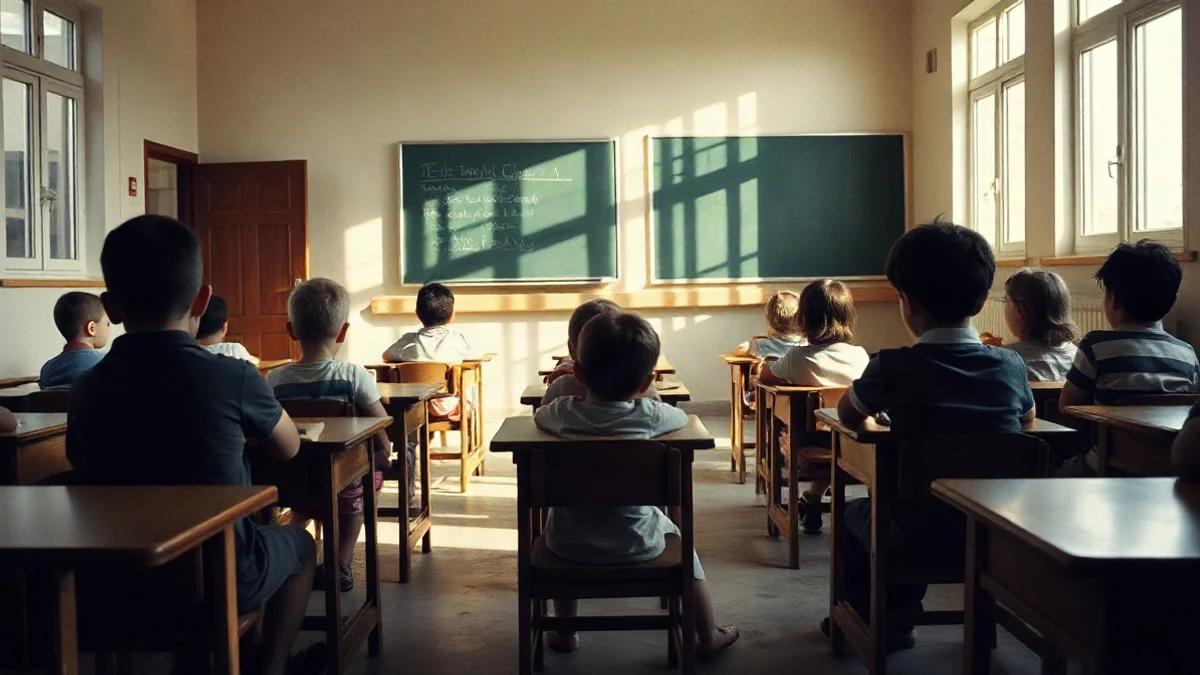
The Israeli education system has been grappling with continuous national emergencies for over six years, shifting frequently to online learning due to Home Front Command restrictions. Recent findings indicate that remote learning via Zoom proves largely ineffective over time, particularly for kindergarteners and elementary students. According to surveys, 79 percent of principals reported that students struggle to maintain focus during remote learning, while 36 percent noted that participation heavily relies on parental support.
Challenges in Special Education and Routine
These difficulties are intensified among special education students who require in-person instruction. Furthermore, 78 percent of parents stated that their children struggle with remote learning even during regular routines. A Knesset Research Center document highlights chronic issues, including a lack of uniform digital learning policies, severe shortages of terminal devices in Arab and Haredi communities, and insufficient adaptation of online curricula for emergencies.
New Ministry Policies and Protocols
In response to these findings, the Ministry of Education has formulated a new strategy in coordination with the Home Front Command, prioritizing physical attendance in kindergartens and grades one through three during emergencies. Additionally, all schools are now required to integrate 60 annual hours of digital learning into their routine curriculum. Deputy Director-General Dr. Eyal Ben-Zaken emphasized that the ministry conducted an unprecedented institutional review, incorporating surveys of over 2,200 educational staff to reshape crisis pedagogy and improve digital infrastructure.