G-City Shares Plunge 22% on Tel Aviv Exchange Amid Brazil Market Turmoil
G-City shares plummeted 22% on the Tel Aviv Stock Exchange, losing over 400 million shekels in market value following the Brazilian elections and currency drop.
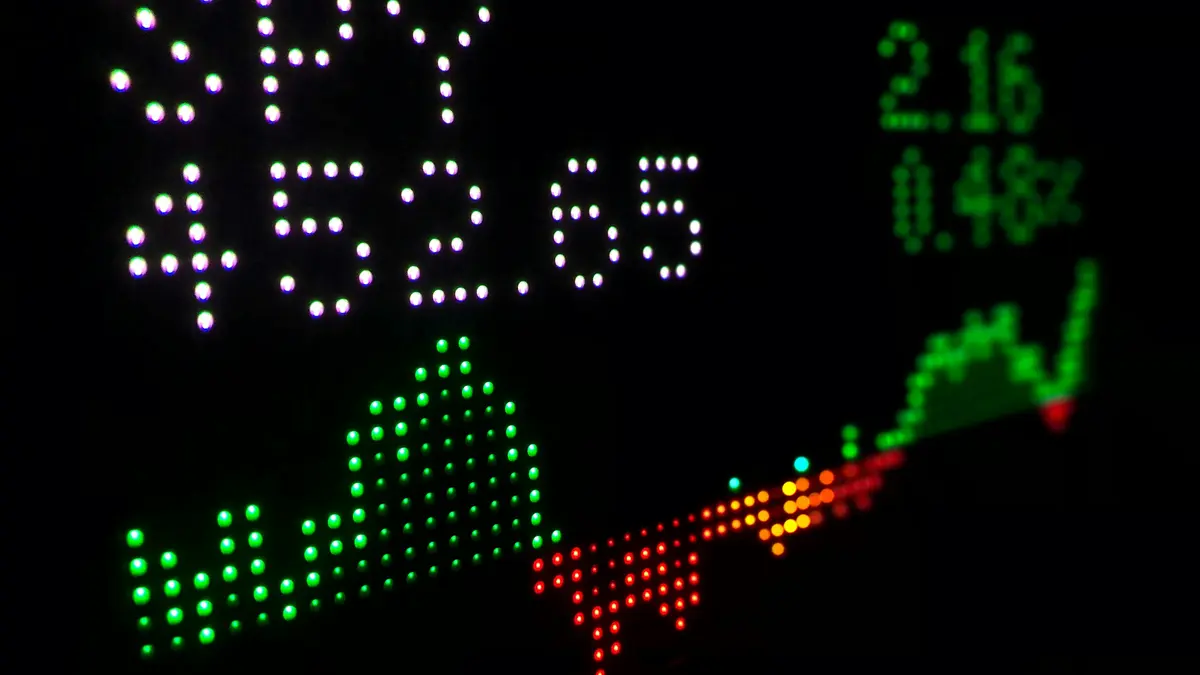
Shares of real estate giant G-City plunged by approximately 22% on the Tel Aviv Stock Exchange, wiping out more than 400 million shekels of market value following the recent election results in Brazil. The company, led by Chaim Katzman, now holds a market capitalization of 1.5 billion shekels amid investor concerns over its extensive exposure to shopping malls operating in the South American country.
In the wake of the Brazilian election, the Brazilian real dropped by about 10% against the dollar, while the benchmark Ibovespa index in São Paulo fell by roughly 18%. G-City, controlled through the public company Norstar, maintains significant exposure to the Brazilian economy. Facing a substantial debt burden, the company has been executing an asset disposal program, which in August included a 6.1 billion shekel asset sale plan encompassing its operations in Brazil.
G-City owns 85 properties globally, primarily commercial malls in Israel, Poland, the Nordic countries, the United States, Canada, and Brazil. These investment and development properties totaled 24 billion shekels at the end of the first half of the year, according to consolidated financial reports. The company's equity attributable to shareholders stood at 4.1 billion shekels, with shares currently trading at roughly 35% of book value.
Investor Panic and Market Pressures
The sell-off reflects a combination of heavy bond maturities in the coming years and difficulties in realizing certain assets. Market analysts note that Brazilian government bonds for ten years currently yield an annual return of 15.4%, creating a challenging environment for property valuations. G-City holds seven income-producing properties in Brazil spanning 151,000 square meters, with a book value of 1.8 billion shekels.
Despite the sharp equity drop, G-City's bond series on the Tel Aviv Stock Exchange have maintained relative stability, trading at yields ranging from 2.3% to 7.6%. Experts indicate that selling assets in Brazil under current macroeconomic conditions lacks economic viability, as buyers would demand rental yields of 20% to 25% to compete with soaring government bond yields, inevitably driving down property valuations.