Chinese Auto Import Surge Hits Israel Ahead of Global Regulatory Deadlines
A massive wave of Chinese vehicle imports is flooding Israeli ports ahead of strict upcoming European emissions regulations, changes in Chinese export VAT refunds, and EU quota limits.
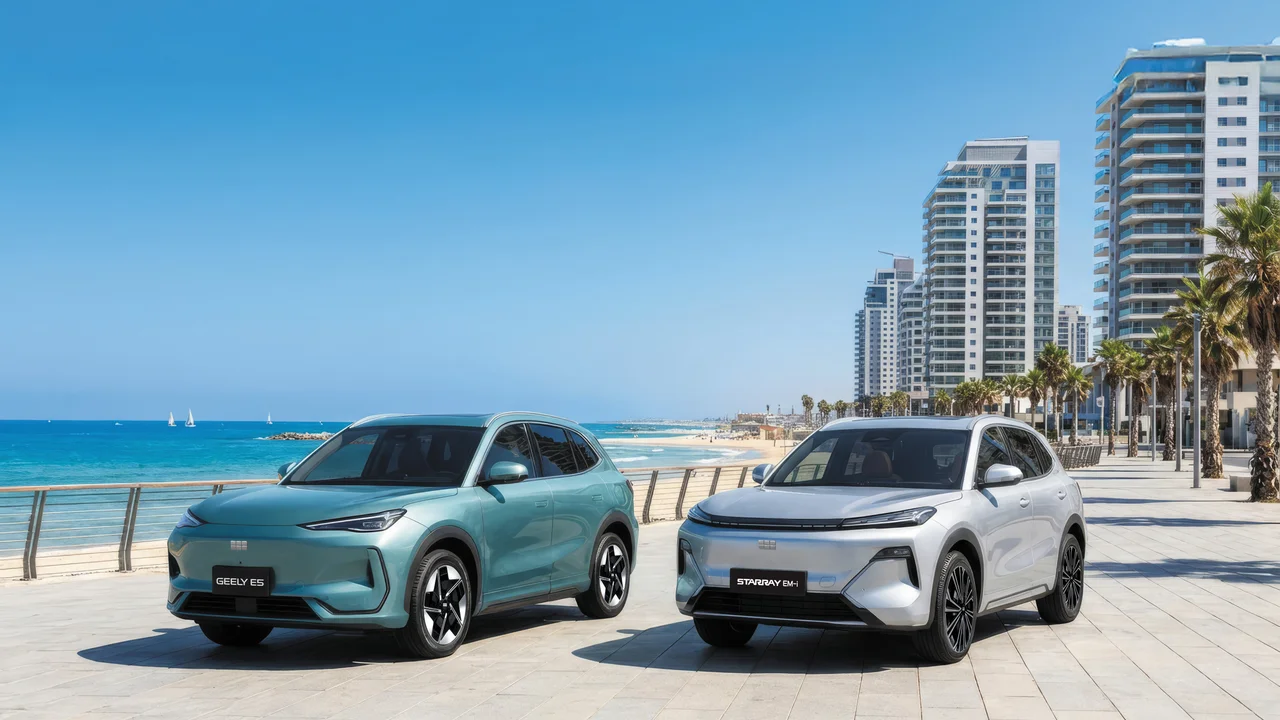
Thousands of new vehicles, predominantly manufactured in China, are currently flooding storage lots at Israeli ports and local import facilities following a massive maritime wave bypassing Africa. While year-end vehicle imports traditionally surge, the current rush is driven by a convergence of upcoming regulatory and tax deadlines rather than local tax hikes.
Upcoming Regulatory Deadlines and EU Standards
The first critical deadline is the implementation of the stringent Euro 7 emissions regulations on November 29, 2026. Under European Union rules, any new vehicle model completing certification after this date must comply with Euro 7, whereas models certified prior may continue under the more lenient Euro 6 standards until late November 2027. Because Euro 7 compliance presents a costly engineering hurdle, Chinese manufacturers are rushing to secure European certification before the deadline.
This regulatory push is bringing a wave of new Chinese brands and models to the Israeli market, including BAIC, Chery's premium brands ICAUR and LEPAS, and BYD's luxury brand Denza. Additionally, a reduction in Chinese export VAT refunds for alternative-fuel vehicles from 13% to 9%, effective April 1, 2027, along with the complete elimination of battery export refunds on January 1, 2027, is accelerating shipments. Deutsche Bank estimates a net profit impact of about 5,000 yuan ($750) per exported BYD vehicle, prompting manufacturers to push affordable inventories abroad before the spring.
Export Quotas and Market Outlook
A third factor involves an emerging provisional agreement between the European Union and China to impose strict export quotas on Chinese hybrid and plug-in hybrid vehicles, capping exports at 350,000 to 400,000 units annually starting December 2026. While awaiting formal signing, this restriction has triggered a massive maritime mobilization, with Chinese exporters tripling September shipments to roughly 100,000 vehicles.
If these quotas take effect, the Israeli market will likely absorb surplus European-certified Chinese production in early 2027, fueling competition and promotional discounts. Concurrently, Chinese automakers are pivoting toward high-margin premium models, though facing a formidable price ceiling around 200,000 shekels in Israel. Despite limited historical success in the luxury segment above 300,000 shekels, a new wave of advanced Chinese luxury vehicles is currently en route to the local market.