Chinese Auto Industry Crisis Triggers Massive Export Wave to Israel
Chinese automakers facing a severe 22 percent drop in domestic sales are aggressively expanding exports to overseas markets, including Israel, driving increased vehicle supply and competition.
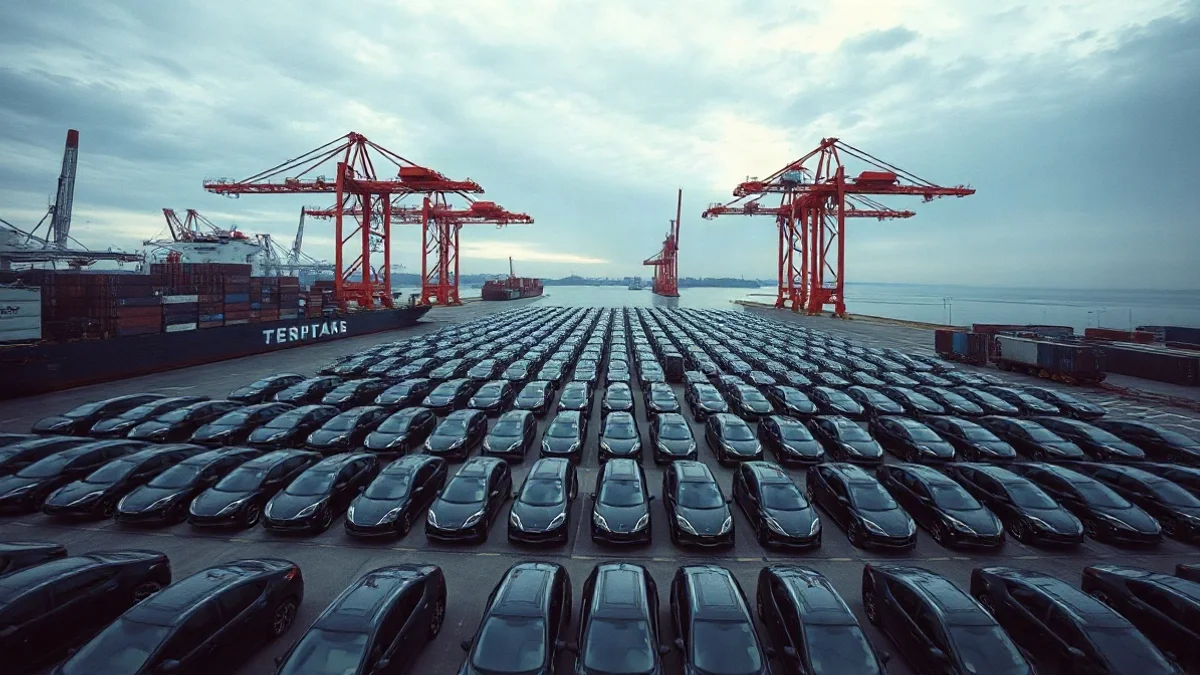
Chinese automotive brands have long become a familiar fixture on Israeli roads, but this trend is far from peaking and is expected to accelerate further in the near future. The driving force behind this expansion is not solely the Israeli consumer's affinity for technology and electric vehicles, but rather an economic butterfly effect originating thousands of miles away in the world's largest automotive market.
According to data and forecasts published by the China Passenger Car Association (CPCA), the local automotive industry is facing a severe crisis. Statistics point to projected domestic sales of only about 18.5 million vehicles, reflecting a sharp 22 percent drop compared to the previous year. Looking ahead offers little comfort, with forecasts for the following year anticipating a modest recovery of just 2 percent.
Cui Dongshu, secretary general of the CPCA, explained that the current downturn stems from a convergence of economic and regulatory factors. First, the Chinese government significantly scaled back generous subsidies previously granted to vehicle buyers. Additionally, a new 5 percent tax was levied on electric vehicles, cooling consumer enthusiasm. These challenges are compounded by volatile fuel prices and rising production costs driven by surging prices for key raw materials such as copper. Nevertheless, association leadership describes these hurdles as temporary.
As the domestic market suffers from plunging demand and eroding profitability, the global ramifications are immediate. Major Chinese automakers find themselves trapped: domestic demand is plummeting, yet production lines cannot simply be halted due to strict manufacturing quotas mandated by Beijing to maintain global industrial hegemony.
The only solution for the massive inventory accumulating at factories is an aggressive pivot toward overseas export. Manufacturers are currently channeling enormous resources into penetrating markets in Europe, Canada, South America, and the Middle East. This is where Israel enters the picture. The local car market, having already demonstrated unprecedented openness to Chinese brands, is experiencing a massive wave of vehicle imports. Automakers seeking to offset domestic losses are expected to flood Israeli ports with new models, translating into a highly competitive and attractive market for local consumers.