Bereaved Parents File Defamation Lawsuit Against Naftali Bennett
Bereaved parents Herzl and Meirav Hajaj filed a 200,000 shekel defamation lawsuit against former Prime Minister Naftali Bennett, claiming he falsely portrayed them as paid political disruptors during Memorial Day ceremonies.
Defamation Lawsuit Filed Against Naftali Bennett
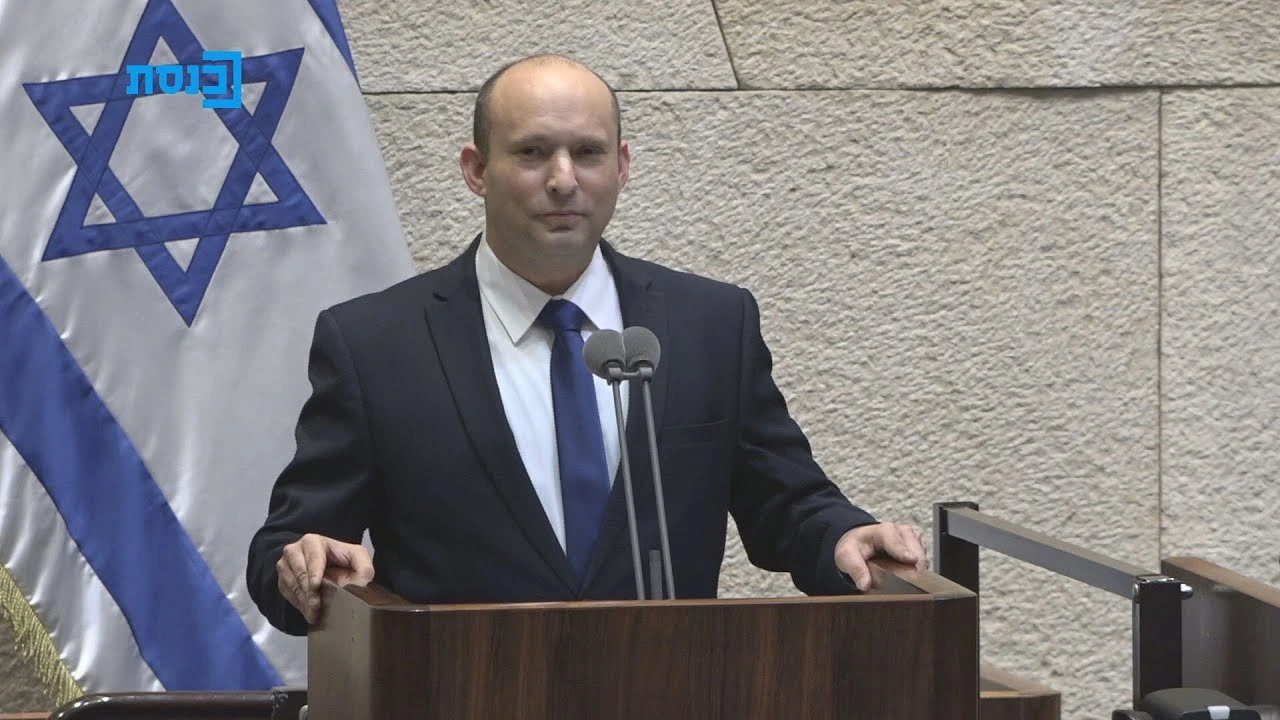
Herzl and Meirav Hajaj, the parents of Lieutenant Shir Hajaj who was murdered in a terrorist attack in Jerusalem in January 2017, have filed a 200,000 shekel defamation lawsuit against former Prime Minister Naftali Bennett at the Rishon LeZion Magistrate's Court. The plaintiffs claim that Bennett portrayed them, directly or implicitly, as paid political activists who disrupted his speeches at Memorial Day ceremonies.
The lawsuit centers on an interview broadcast on Channel 13 with journalist Omri Asenheim. During the interview, Bennett claimed that the Likud party hired paid activists to disrupt his speeches while he served as prime minister. The lawsuit cites the exact transcript in which Bennett stated that Likud hires paid thugs to ruin Memorial Day ceremonies.
Bennett: "Likud hires people with megaphones... One hundred percent. Likud hires paid thugs year after year to crash my Memorial Day ceremony when I was prime minister."
According to the Hajaj couple, these remarks clearly referred to them, as their protest against Bennett during Memorial Day ceremonies was extensively covered by the media. They stated that the remarks falsely labeled them as paid thugs working for a political party.
Origins of the Protest and Response
The parents emphasize that the accusations are completely baseless and that they never received payment from any political entity. They explained that their protest stemmed from a sense of betrayal over Bennett's political alliance with Ra'am and his departure from right-wing campaign promises. Before filing the lawsuit, the couple sent a warning letter, but Bennett's legal representatives rejected the claims, stating that the former prime minister's remarks were not directed at bereaved families and expressing deep respect for them.