Top Israeli Neurosurgeon Shifted Stance in Beilinson Malpractice Case
A prominent Israeli neurosurgeon who initially agreed to write a medical malpractice opinion against Beilinson Hospital ultimately submitted a defense report absolving it, a court revealed.

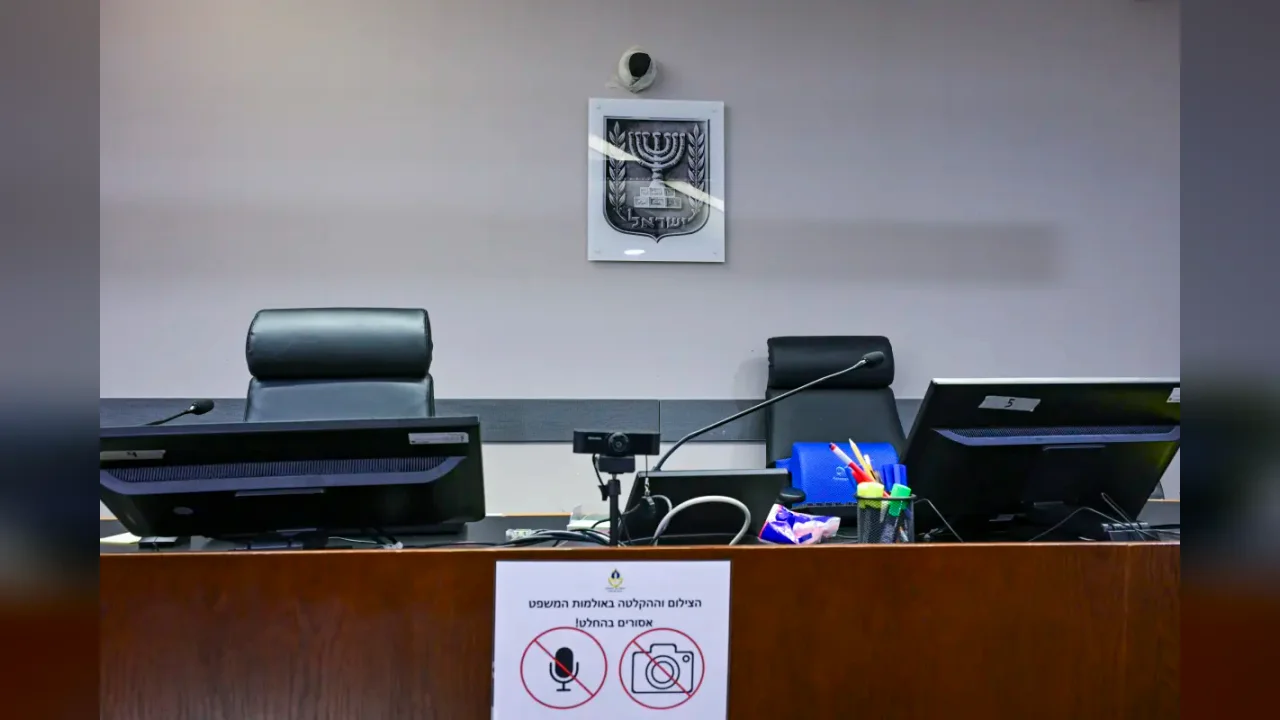
A prominent Israeli neurosurgeon offered to write a medical malpractice opinion against Beilinson Hospital before ultimately submitting a defense report absolving the institution, a district court ruled Thursday. Judge Orna Levy rejected a request by Clalit Health Services to maintain a gag order on the affair.
The case stems from a December 2023 lawsuit filed on behalf of a 60-year-old man from northern Israel. The patient was admitted to Beilinson Hospital in January 2020 suffering from a cerebral hemorrhage, but the medical staff decided against surgery, leaving him with severe, irreversible brain damage and in a permanent nursing care state.
During preparations for the lawsuit, the plaintiff's attorneys consulted Prof. Moshe Hadani, a former head of the neurosurgery department at Sheba Medical Center. In April 2022 emails, Hadani explicitly stated that the failure to operate in a timely manner constituted negligence that exacerbated the patient's condition, offering to write a formal opinion for 20,000 shekels plus VAT. However, the defense submitted to the court relied on a contrasting expert opinion signed by Hadani himself, which concluded that the hospital staff acted properly and without negligence.
Court Proceedings and Legal Response
When Hadani was cross-examined in court last July, the contradiction came to light. Following media inquiries, Clalit attorneys sought a gag order, arguing that Hadani's initial assessment was based on selective information and that he never reviewed the complete medical file for the plaintiffs. Judge Levy dismissed the request, allowing full publication of the details.
Attorney Shmuel Yakirivitz, representing the plaintiff, stated that the revelation raises serious public questions regarding how the healthcare system defends itself against malpractice claims. The patient's family expressed deep frustration, emphasizing that the medical establishment harmed them twice—first at the hospital and later in court.