Beautiful, immersive and original: "Independence" is an impressive achievement of Israeli cinema
With 16 Ophir Award nominations and a successful festival run, the new drama by Moshe Rosenthal brings Assi Cohen back to the big screen after a long absence and presents a shattering and extraordinary family story.
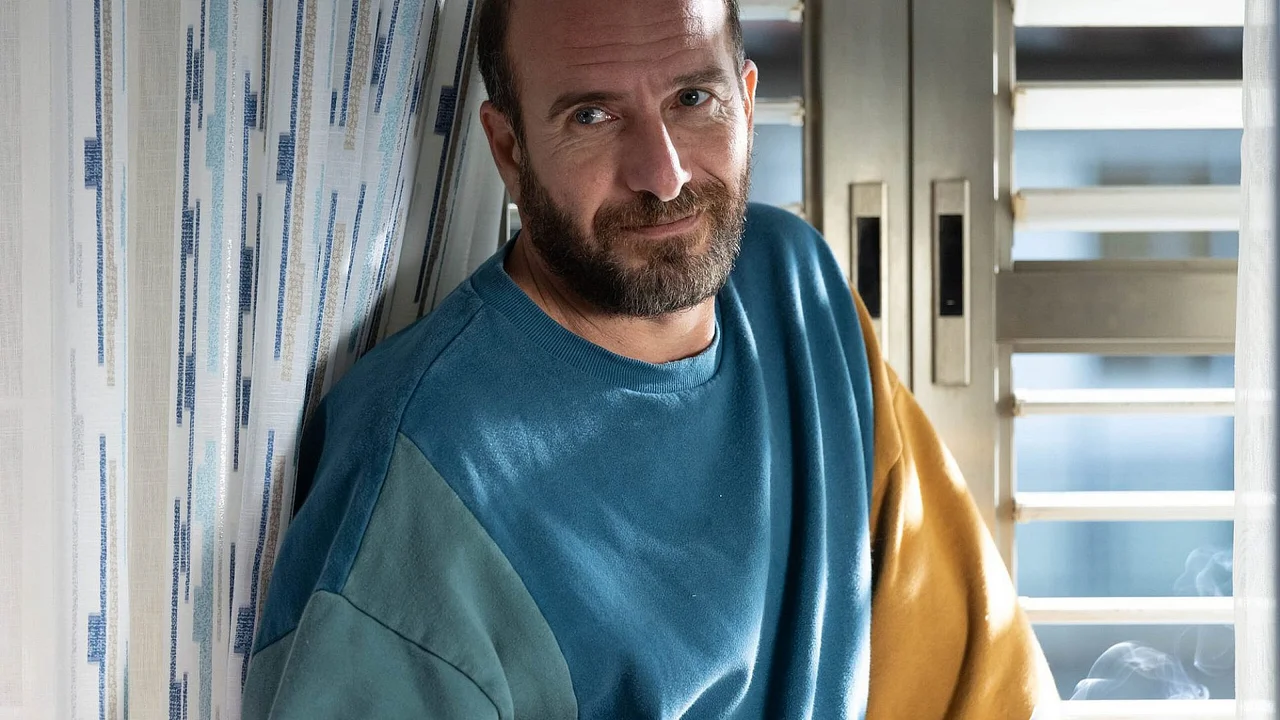
The film "Independence", which opens today in theaters, arrives with 16 Ophir Award nominations, following a successful festival run and with a strong chance of being Israel's representative for the Oscars. It also marks the return of Assi Cohen to the screen after a long absence, arriving three years after "Karaoke", the previous successful film by director Moshe Rosenthal.
The first thing that stands out in "Independence" is its visual beauty. The plot begins in the late 80s, and Rosenthal and cinematographer Ziv Berkovich build the era in detail: the houses, the clothes, the colors, the streets, and the music. This is not just a background for the plot; the colors and the joy of life on screen constantly stand against what is happening inside the family. The comparison to Almodóvar, which has already arisen around the film, is not far-fetched.
At the center of the story is Meir Shabat (Assi Cohen), a taxi driver married to Bella (Keren Tzur), a beautician and mother of his three children. 12-year-old Boaz is moments before his Bar Mitzvah when he discovers a secret about his father. From here he makes a decision that will change the entire family. A decade later, Boaz, now played by Ido Tako, returns to deal with what happened and his part in it.
It would have been easy to turn "Independence" into a story about this secret, but Rosenthal is interested precisely in what it does to people: the shame it creates, the guilt that follows, the concealment, the repression, and the anger. Each character takes these things to a different place, and along the way hurts someone else. This prevents the film from falling into a predictable division of victims and culprits. Everyone here is a victim to some extent, even the one who hurts. Rosenthal does not absolve anyone of responsibility, but he is also not quick to put any character on trial.
Within this is also an engagement with toxic masculinity—not its clear and easy version, but the one found in shame, concealment, the inability to speak, and the fear of being something other than what is expected. These materials have a clear connection to the LGBT experience, but "Independence" does not turn them into a sectoral issue. Ultimately, these are feelings that are very familiar outside of this story as well.
Assi Cohen delivers a tremendous and tear-jerking performance, mainly because Meir never becomes a character that is easy to define. His complexity is his forte. Keren Tzur is excellent as Bella, a mother and wife forced to deal with a family reality more shattering than the one she thought she was living in. Yair Mazor, who plays the young Boaz, is one of the film's big surprises; he holds the screen naturally, especially in the moments when he says nothing. Ido Tako is excellent as the adult Boaz, managing to ensure that the child from the first part is still present in the character ten years later.
Alongside the acting, Ziv Berkovich's cinematography is one of the film's highlights. The period reconstruction is accurate without shouting "the eighties," and the use of music and pop culture integrates naturally. "Independence" is a highly designed film, but most of the time the design serves the story. There is something in it reminiscent of Spielberg's "The Fabelmans" and Reshef Levy's "Lost Islands"—not necessarily in the plot, but in the ability to present a look at a shaky family unit through the eyes of a child who discovers things he was not supposed to know. Rosenthal manages to maintain a unique voice of his own. Sexuality is part of the plot, but the story lies elsewhere: in the relationships between parents and children, in masculinity, in shame and guilt, and in things that a whole family learns not to talk about. The fact that there is no one culprit and no one victim is exactly what prevents it from becoming a predictable story. Everyone carries something, everyone hides something, and in the end, everyone pays for it.