Bat Yam Basement Owners Lose TAMA 38 Lawsuit Over Illegal Extensions
A Holon land inspector dismissed a lawsuit by Bat Yam basement owners demanding a larger apartment in a TAMA 38 project, ruling they cannot claim compensation for illegal expansions on common property.
The Land Registration Inspector in Holon, Uri Shlomai, has dismissed a lawsuit filed by basement apartment owners in Bat Yam seeking to increase their property allocation within a TAMA 38 urban renewal project. The court ruled that the couple is not entitled to compensation for illegally constructed spaces that encroach upon common property, ordering them to sign project documents within two months and pay NIS 69,138 in legal fees to the development company.
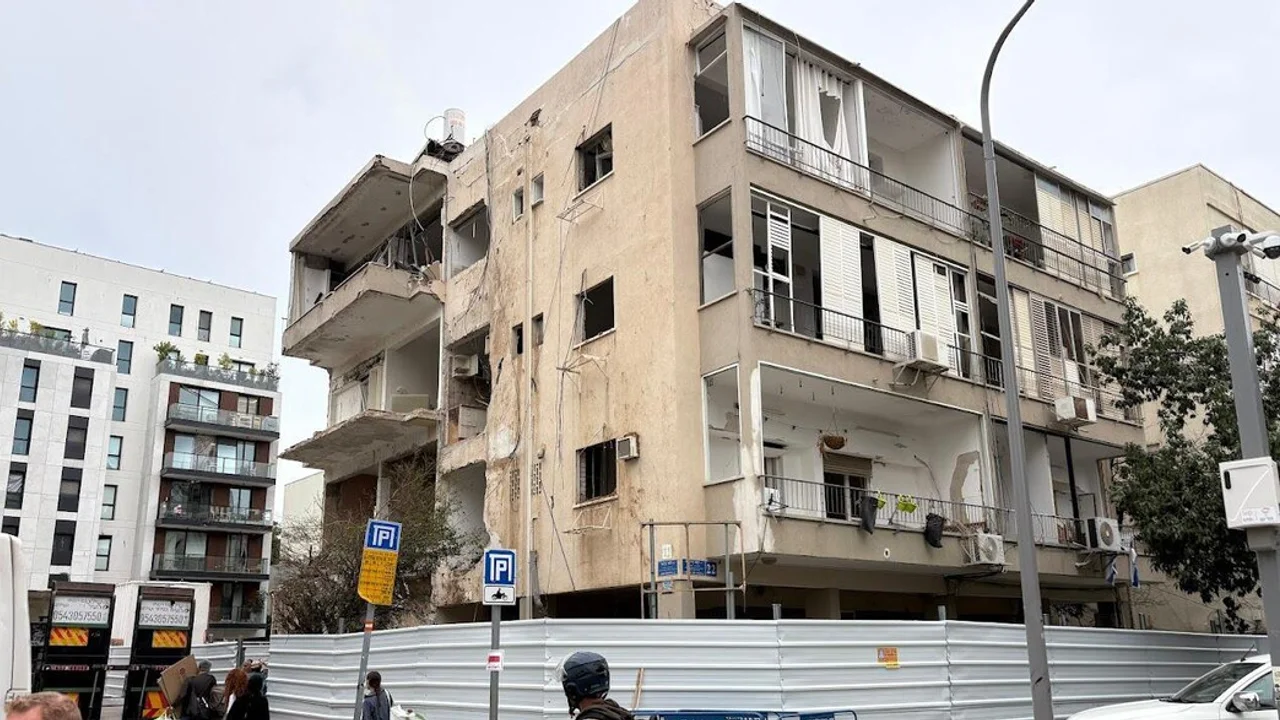
The legal dispute centered on a building slated for demolition and reconstruction on Herzl Street in Bat Yam. The plaintiffs, who inherited the ground-floor and basement apartment from the late father of one of them, argued that the developer was discriminating against them compared to their neighbors regarding the calculation of their due compensation. They claimed that the TAMA agreement stipulates that the new apartment's area should be calculated based on the actual existing measurement plus at least 12 square meters. Since their apartment measures approximately 76 square meters, they argued they were entitled to an 88-square-meter apartment rather than the 72 square meters allocated to them.
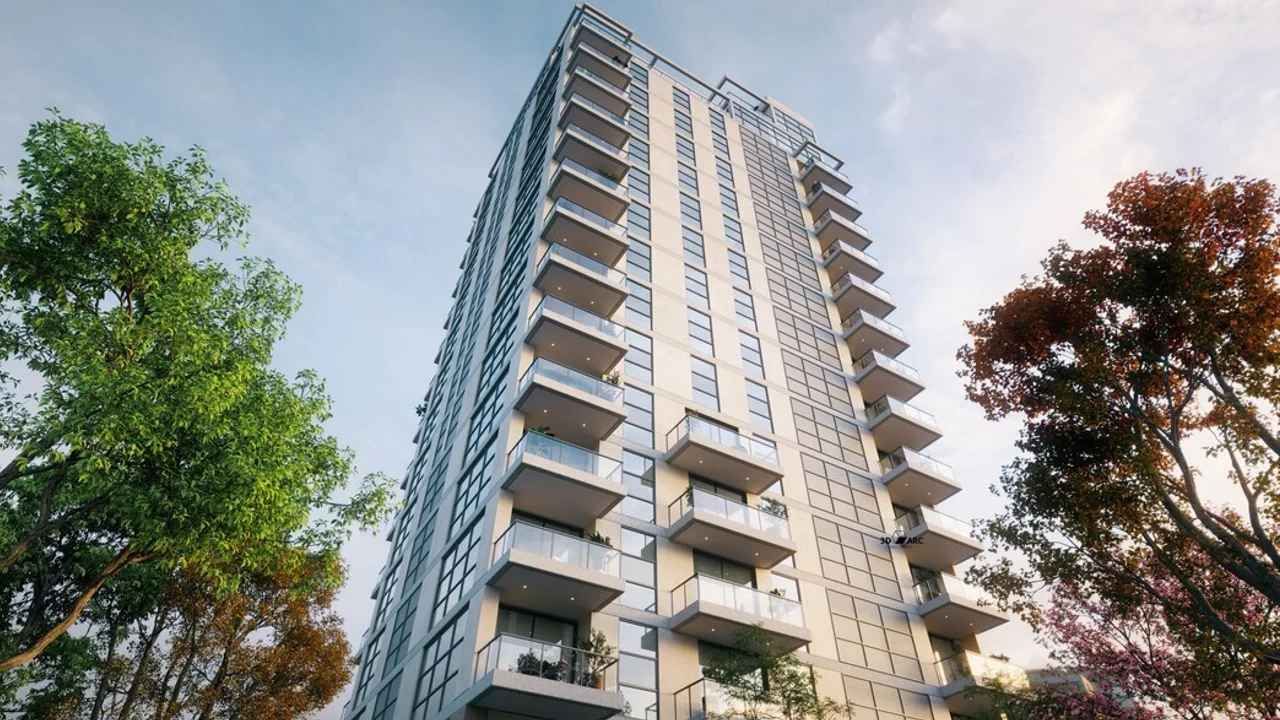
To support their claim, the plaintiffs relied on a 1973 building permit which they asserted legalized parts of the property missing from the Tabu land registry. They argued that neighbors had their compensation calculated based on actual areas including enclosed balconies, whereas their own space was reduced. Conversely, the developer and neighbors maintained that the couple unlawfully expanded their apartment by invading common property. They emphasized that the plaintiffs were not discriminated against but actually received a significant upgrade, as their new apartment was designed on the fourth floor instead of the first, offering superior air circulation and views.
Inspector Shlomai adopted the findings of a court-appointed expert, determining that the plaintiffs' apartment area approved under building permits stands at approximately 62.5 square meters, compared to 77 square meters in practice. The discrepancy of roughly 14.5 square meters stems from illegal construction invading the common courtyard, bomb shelter, and stairwell. The ruling stressed that no apartment owner is entitled to demand equality based on spaces built illegally or by encroaching on others' property. The inspector noted that there is no equality in wrongdoing, stating that a homeowner attempting to gain rights over illegally seized land sins twice—once through the encroachment and a second time by trying to profit from neighbors' property.