Apple iPhone Duo Teardown Points to Hinge Pressure in Early Screen Cracks
Apple’s iPhone Duo faces early screen cracking issues linked to its complex hinge design, according to an iFixit teardown. Apple is replacing damaged units but has not issued a recall.
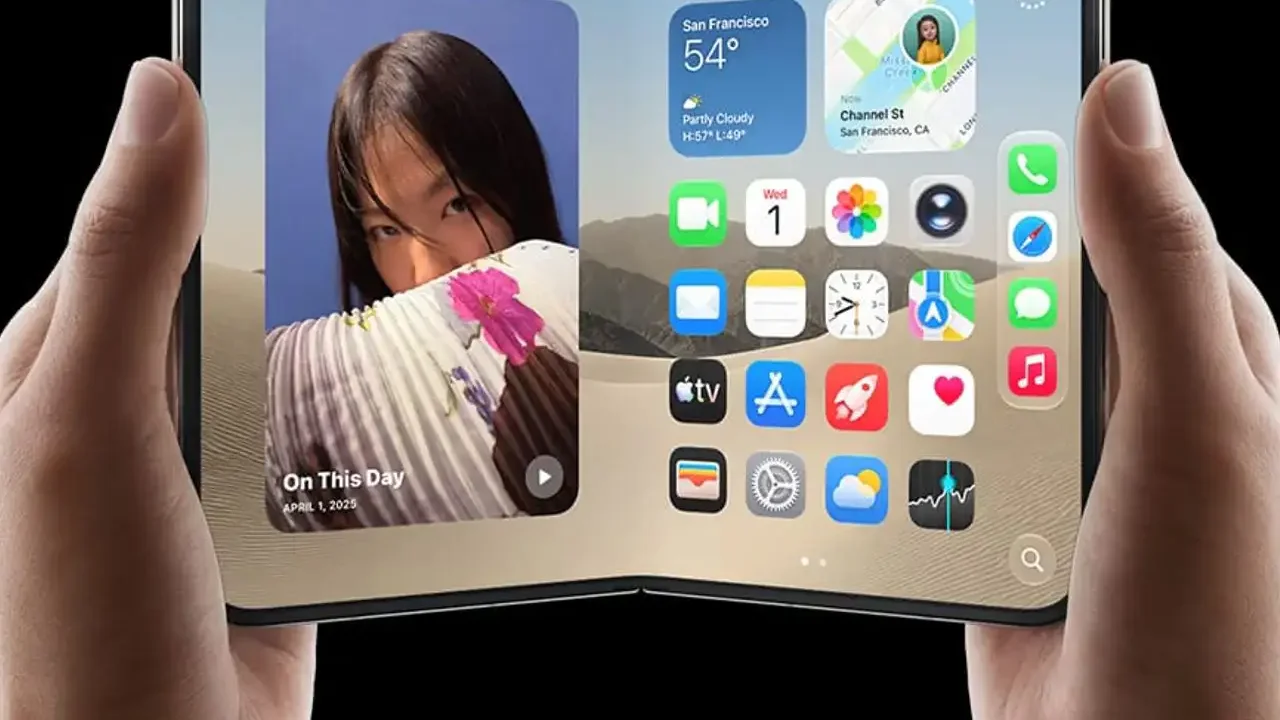
Apple’s first foldable smartphone, the iPhone Duo, is facing early scrutiny as teardown experts point to its mechanical hinge design as the potential cause behind screen cracking issues reported shortly after launch. According to Shahram Mokhtari, lead teardown technician at iFixit, internal components of the hinge may exert excessive pressure on the delicate inner display.
Apple has acknowledged the defect and confirmed it is replacing damaged devices, though the company has not disclosed specific failure rates. "In terms of numbers, we just don't know," Mokhtari stated, suggesting that Apple likely possesses more data than it has publicly shared. Apple maintains that the issue affects only a small percentage of Duo units.
Analysis of the Hinge Mechanism
The intricate hinge mechanism incorporates gears, springs, and linkages designed to allow the device to fold flat while providing sufficient bending radius for the flexible screen. However, iFixit’s teardown revealed that structural elements near the hinge leave narrow tolerances for internal cables and support brackets. The observed damage consistently appears directly above the central spine, where the flat support bar may fail to retract adequately during closure, creating localized pressure points against the bent display.
Early adopters and reviewers have documented similar failure patterns. One user reported hearing a distinct cracking sound near the internal hinge before the display fractured during normal operation. In a durability test, YouTuber CuriousHagi observed a similar screen failure after exposing the device to dust, subsequently discovering a broken hinge component during a secondary inspection.
Mokhtari emphasized that first-generation foldable hardware inherently carries higher manufacturing risks due to mechanical complexity. While Apple has not initiated a product recall, industry observers note that sustained failure rates over the coming months could prompt a broader service campaign or prompt hardware redesigns for future iterations.