Apple iPhone Duo Review: A Daring Foldable That Stumbles on Software
Apple enters the foldable market with the iPhone Duo, featuring a 7.6-inch folding display, A20 Pro chip, and unique multitasking capabilities, alongside ergonomic and software challenges.
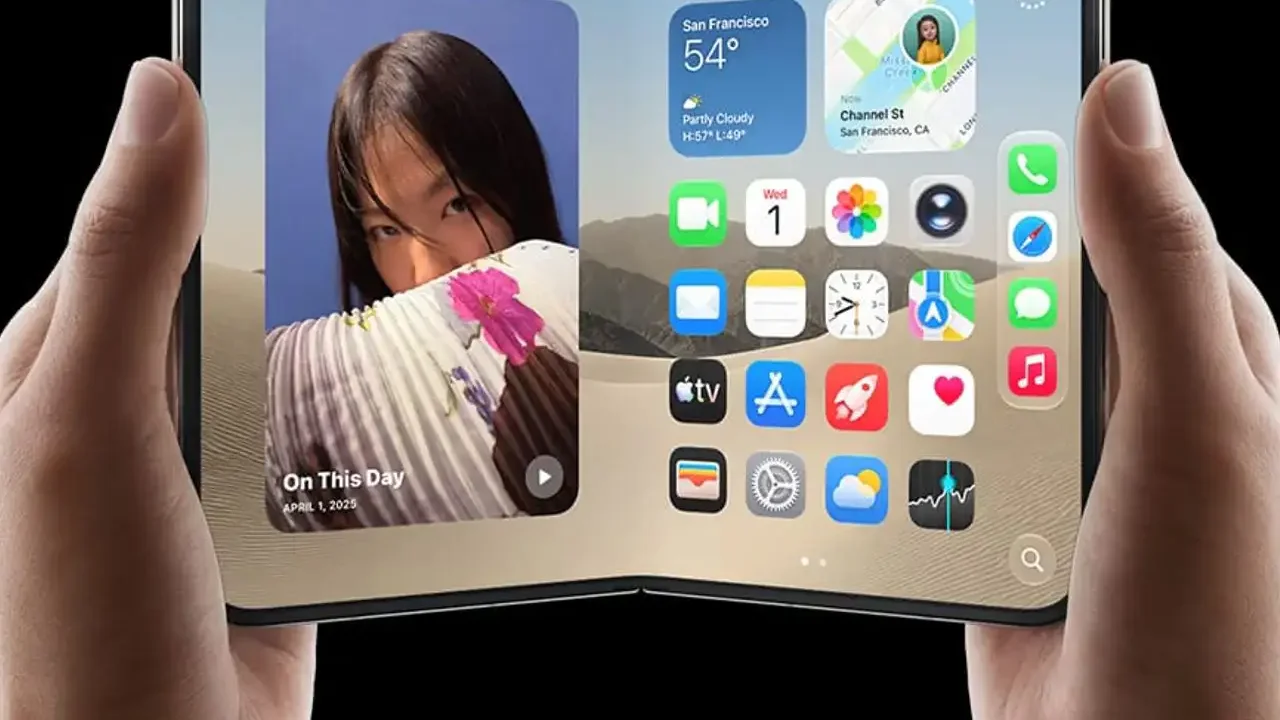
Apple has officially entered the foldable smartphone market with the release of the iPhone Duo, marking a major departure from its traditional and cautious approach to hardware design. Featuring a dual-screen configuration, the device aims to bridge the gap between a compact smartphone and a tablet.
Display Technology and Performance
The device is equipped with two Super Retina XDR OLED displays capable of reaching up to 3,000 nits of peak brightness and supporting a 120Hz refresh rate. The internal 7.6-inch folding display is notable for its minimal crease, which remains virtually invisible during standard viewing conditions. Apple has applied a Nano Texture coating to the internal screen, providing a matte finish that diffuses light and eliminates reflections, significantly improving readability in direct sunlight.
However, the external 5.4-inch display presents several ergonomic challenges. Due to its narrow and rounded passport-style form factor, reaching across the screen with one thumb proves difficult, particularly given the device's weight of 254 grams. Furthermore, the UI adjustments required to fit the aspect ratio often push navigation bars and back buttons to awkward corners of the screen.
Software Integration and Multitasking
Multitasking on the iPhone Duo finally introduces true split-screen capabilities to iOS, allowing users to run two applications side by side when the device is held horizontally. While optimized applications like Telegram and ChatGPT adapt seamlessly to the dual-screen layout, many third-party apps still fail to scale properly, resulting in large black borders or compressed text fields reminiscent of unoptimized tablet software.
Camera System and Biometrics
In the photographic department, the iPhone Duo features a dual-camera setup consisting of a 48MP main sensor and a 48MP ultra-wide lens. While the main camera delivers excellent image quality comparable to flagship models, the selfie capabilities are hindered by subpar under-display sensors and confusing software toggles for previewing shots on the external screen. Additionally, Apple omitted Face ID in favor of a power-button-mounted Touch ID sensor, which requires deliberate placement and represents a step backward in biometric convenience.
Powered by the A20 Pro processor, the iPhone Duo delivers robust processing performance, though the thin chassis occasionally leads to thermal warming during intensive tasks. Battery life proves surprisingly solid, comfortably lasting through a full day of mixed usage despite powering two displays.