AIPAC Shifts Strategy, Ending Direct PAC Donations and Official Endorsements
AIPAC announced a major strategic shift, halting official congressional endorsements and direct PAC contributions to focus on individual donations and super PAC spending.
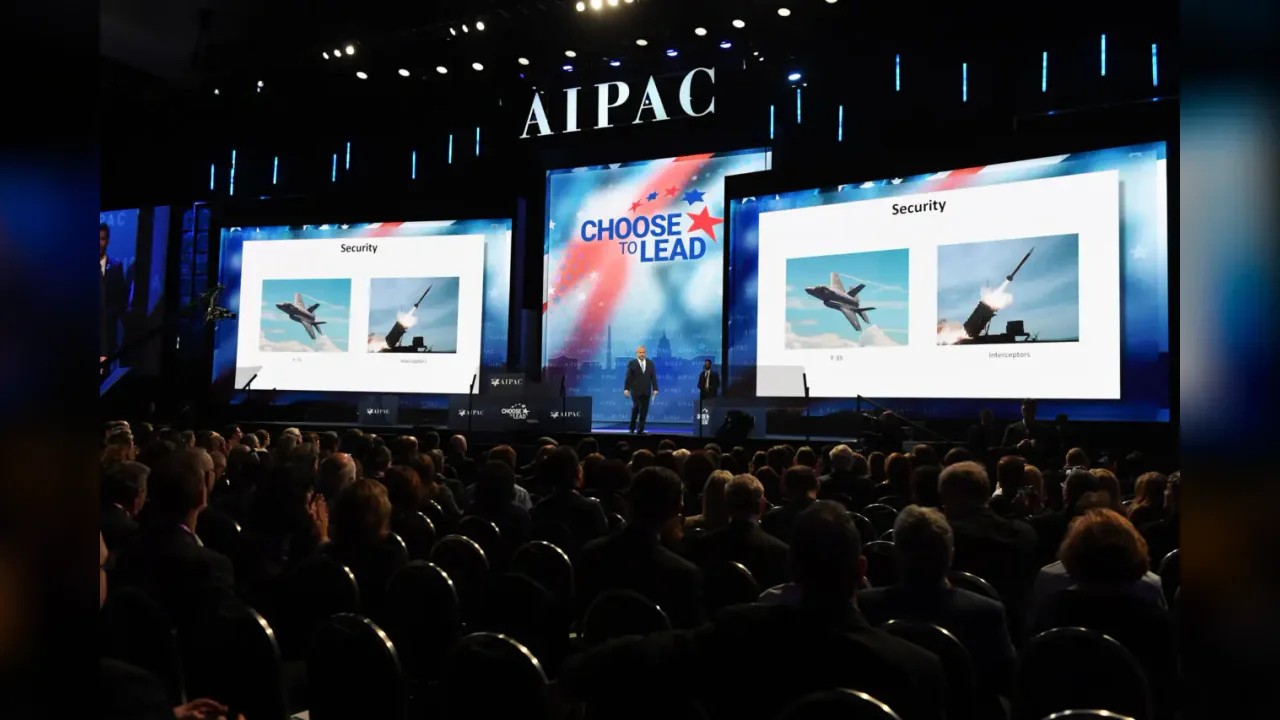
The American Israel Public Affairs Committee (AIPAC) announced a sweeping and dramatic strategic shift in its political operations, deciding to halt official endorsements for congressional candidates and end direct campaign contributions through its political action committee. In an official letter sent by the leadership to its members, the organization clarified that the decision follows a comprehensive review lasting several months and will take effect immediately as a permanent long-term policy change.
The move concludes three election cycles of direct political involvement through AIPAC's political action committee, shifting focus toward facilitating direct individual donations from private citizens without attaching the AIPAC label to candidates' official financial disclosures. Despite ending official endorsements and direct PAC contributions, leadership emphasized that the organization's independent super PAC, the United Democracy Project, will continue its operations unabated. As a separate entity, the super PAC cannot coordinate with campaigns or transfer funds directly to politicians, but it is permitted to inject unlimited sums into independent television and digital advertising to support pro-Israel candidates and oppose their rivals.
The strategic adjustment is designed to neutralize the growing public and political criticism surrounding the public price tag of the lobby's endorsements. AIPAC's official stamp had increasingly become a political weapon utilized by activists from both the progressive wing and the far-right, prompting various Democratic lawmakers to refuse donations from political action committees or AIPAC specifically to avoid electoral blowback. In the letter signed by AIPAC President Bernie Kaminsky, Board Chair Michael Tuchin, President-elect Yehuda Neuberger, and CEO Elliot Brandt, the leadership explained the rationale behind the overhaul. "To win the struggle for the future of the nation and the alliance between the United States and Israel, we must build a more strategic, significant, and flexible political operation," the letter stated.
The leadership added that official endorsements, direct contributions, and earmarked bundling will no longer be part of the approach, allowing the organization to expand individual giving and deploy new tools to help friends of Israel succeed. AIPAC spokesperson Darin Sosa noted that members contributed over $90 million to candidates during the current cycle, including bundled portal donations, compared to only about $3 million channeled directly through the PAC itself. Sosa emphasized that the metric of success remains the strength of the bilateral relationship between the United States and Israel, asserting that the lobby's members have always been its greatest asset as the organization invests more time and resources into the most effective methods available.
The strategic pivot follows a period of heightened political tension and criticism within the Democratic Party. Earlier this year, AIPAC froze fundraising activities for 18 Democratic House members following their votes in favor of cutting US security assistance to Israel. Simultaneously, anti-Israel protest groups began targeting private pro-Israel donors and attempting to label their personal contributions as AIPAC money, drawing sharp accusations of antisemitism. Removing the lobby's formal branding is expected to complicate such targeting efforts while enabling politicians who pledged against accepting lobby money to continue receiving support from individual donors. Although AIPAC has notched notable successes in helping elect hundreds of pro-Israel candidates, the organization also faced high-profile setbacks in key races, prompting a recalibration of its methods to secure the US-Israel alliance moving forward.