50% of the population - but less in the Knesset: Female representation in parties ahead of the elections
After years in which the percentage of women in the Israeli legislature rose, a decline is being recorded ahead of the upcoming elections. In the next Knesset, as of now, it does not appear there will be a female leader at the head of a major party, and in the Likud there are very few female candidates in realistic spots. In the Arab parties the situation is also not bright, and the ultra-Orthodox parties as usual exclude women from the lists.
In the first and second Knesset there were only 12 women elected as Knesset members, constituting 10% of all MKs. The highest number of women was in the 24th Knesset, when 45 women served, or 30% of the total. In the current, 25th Knesset, women occupy only about 25% of the seats. According to the current situation, in the next Knesset there will not be a single woman in the position of party leader, and there will be the fewest female MKs in the current coalition bloc.
The Democrats, led by Yair Golan, will be the party that will bring the most women into the 26th Knesset. The party's bylaws mandate equal representation between women and men, and the first ten include MKs Naama Lazimi and Efrat Rayten, former MKs Michal Rozin and Adv. Gaby Lasky, as well as Sumia Bashir. Further down the list are Moran Zer Katzenstein and former MK Emilie Moatti.
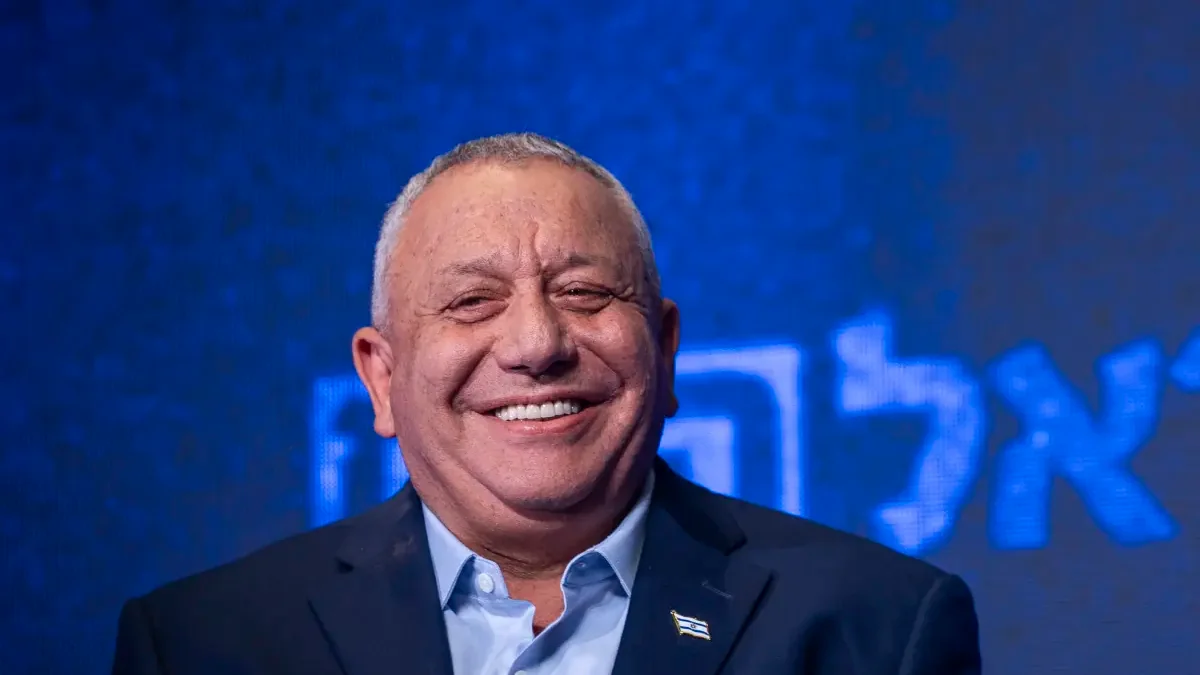
Yashar! Party: Chairman Gadi Eizenkot announced his intention to include many women, though the final ratio remains unclear. Candidates include former minister Orit Farkash-Hacohen, former Yeroham mayor Tal Ohana, former Ministry of Labor director general Tair Ifargan, and others including Alex Rif and Devora Sharifian Bechar.
Likud: Only three women were chosen in the first 30 spots, the most senior being Minister Miri Regev. Tally Gotliv is in the middle of the second ten, and MK Eti Atiya is in the 25th spot. Pressure is being applied on Prime Minister Benjamin Netanyahu to reserve more spots for women to correct the current imbalance.
Beyad: One of the parties with the most women in senior positions, including Keren Terner and Liran Avishar. The list currently counts 18 women and 21 men.
Yisrael Beiteinu: Chairman Avigdor Lieberman is recruiting new women, including Maya Palomboim, Lily Ben Ami, and others, following the departure of MK Sharon Nir.
Religious Zionism: Orit Strock remains the only woman in a realistic spot, though negotiations with Moshe Feiglin may affect the list.
Otzma Yehudit: Only one woman, MK Limor Son Har-Melech, served in the last term. The party promises more women but has not confirmed their placement.
Am Yisrael: In the new party of Brig. Gen. (res.) Ofer Winter, four of the 11 candidates are women, including Netali Shem Tov and Fleur Hassan-Nahum.
Ha-Bayit Ha-Tsioni - Ha-Miluimnikim: Shira Shapira has been added to the first quartet. The party states that the list is still forming and promises respectable female representation.
Ha-Achdut: The party does not currently pass the electoral threshold, and the final number of women remains uncertain due to ongoing merger discussions.
Blue and White: Except for MK Pnina Tamano-Shata, the list currently consists only of men. It remains to be seen if Chairman Benny Gantz will add women to realistic spots.
Ultra-Orthodox parties: Women remain absent from the lists of Shas, United Torah Judaism, and the new "Ha-Tsibur Ha-Haredi" party, in accordance with the position of their spiritual leadership.
Arab parties: The issue of female representation is under discussion. In the Joint List, Dr. Nahaya Washahi is in the tenth spot and Dr. Maha Karkabi is in the eighth. Both have expressed a desire for more significant representation in realistic positions.